
EPISODE · Oct 26, 2022 · 37 MIN
58: Why Rural Stories Get Erased—And What Activist Artist Organizers Like Matthew Fluharty Are Doing to Stop It – Part 2
from ART IS CHANGE: Strategies & Skills for Activist Artists & Cultural Organizers
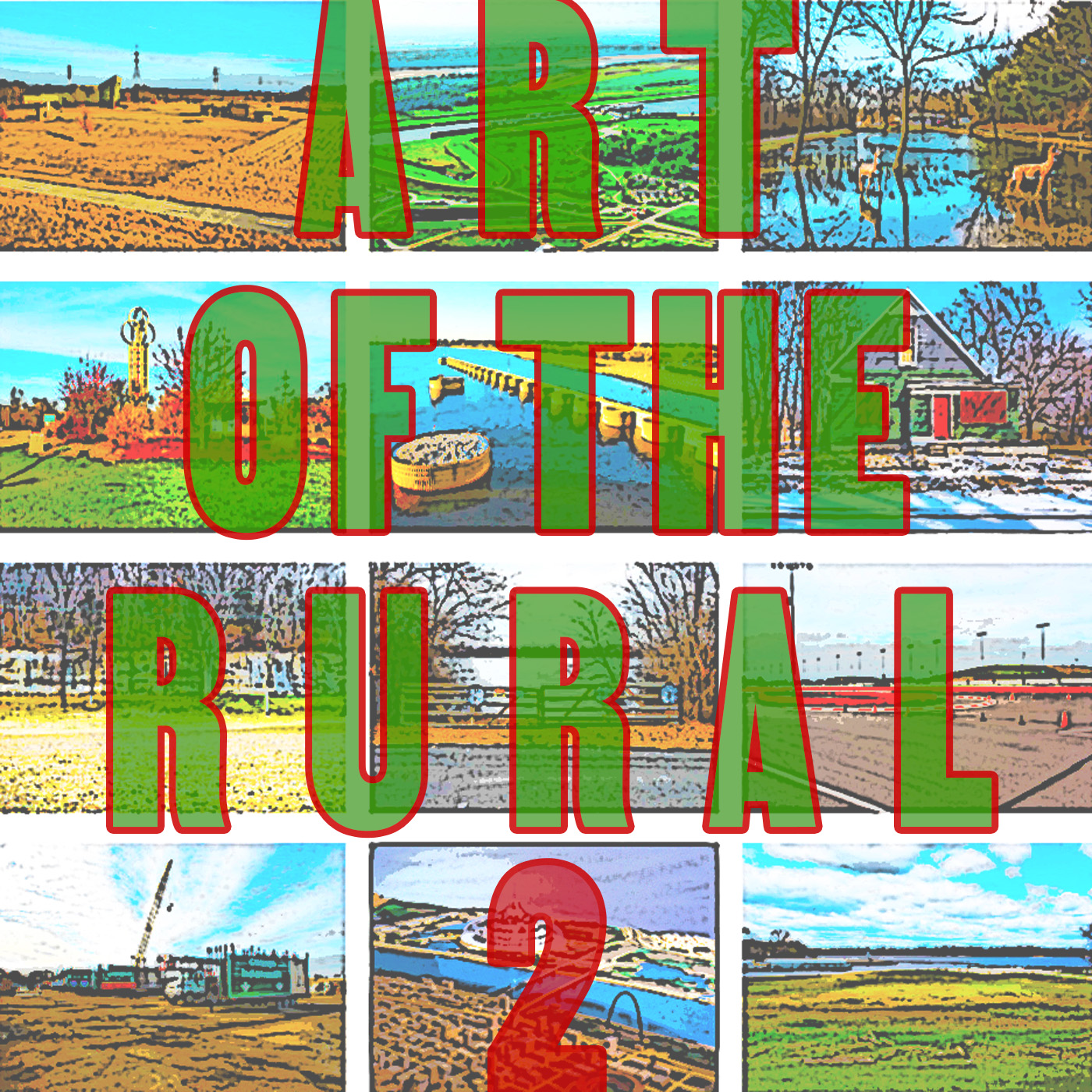
Episode 58: Matthew Fluharty - Art of the Rural - Chapter 2This is our second episode focusing on Matthew Fluharty's work at Art of the Rural. In it we explore the continuing story of Sauget Illinois, the power of nostalgia, the iconic importance of Busch Light beer, and the amazing legacy of Family Video. Listen to Art of the Rural Chapter 1 HEREBIOMatthew is the Founder and Executive Director of Art of the Rural, a member of M12 Studio, and faculty on the Rural Environments Field School. His work flows between the fields of art, design, humanities, policy, and community development.His poetry and essays have been published widely, and his work with his colleagues in the American Bottom region of the Mississippi River has been featured in Art in America. Matthew is the organizing curator for High Visibility: On Location in Rural America and Indian Country, a longterm collaboration with the Plains Art Museum. He recently received a Curatorial Fellowship from the Andy Warhol Foundation for the Visual Arts for this ongoing work.Born into a seventh-generation farming family in Appalachian Ohio, Matthew’s upbringing instilled a belief that everyday, multigenerational knowledge can teach us about where have been, where we are, and where we might be going. Those lessons led him to take vows with the Zen Garland Order, a community that is a part of what’s known as the Socially Engaged Buddhist movement.Website // Email // Twitter // Instagram // LinkedInNotable MentionsChange the Story Collection: : Arts-based community development comes in many flavors: dancers, and painters working with children and youth; poets and potters collaborating with incarcerated artists: cultural organizers in service to communities addressing racial injustice, all this and much, much more.Many of our listeners have told us they would like to dig deeper into art and change stories that focus on specific issues, constituencies, or disciplines. Others have shared that they are using the podcast as a learning resource and would appreciate categories and cross-references for our stories. Karl Unnasch: is a sculptor with a rugged farm upbringing streaked with a penchant for the surreal: Unnasch’s smaller-scale work has been exhibited as far as Europe and acclaimed in publications such as the New York Times and Art in London Magazine, while his larger-scale, award-winning public art has been featured on the likes of NBC’s Today show, Reader’s Digest and Voice of AmericaThe Dying Gaul: is an ancient Roman marble semi-recumbent statue now in the Capitoline Museums in Rome. It is a copy of a now lost sculpture from the Hellenistic period (323-31 BC) thought to have been made in bronze. The white marble statue, which may originally have been painted, depicts a wounded, slumped Gaulish or Galatian Celt, shown with remarkable realism and pathos, particularly as regards the face.American Bottom Gazette: The American Bottom Gazette tells the story of this region through an attention to the landscape, communities, and histories of its residents. As much description of a once well-defined geography as it is a recovery of that geography, our goal with the Gazette is to provide a framework for deciphering the irreducible landscape we find today. This publication is available to readers in public libraries, diners, and all kinds of community spaces in between — while also having visibility in the larger St. Louis metro area and beyond. The Wing Luke Museum: Mission = We connect everyone to the dynamic history, culture, and art of Asian Americans, Native Hawaiians, and Pacific Islanders through vivid storytelling and inspiring experience to advance racial and social equity. Hear more about the Wing Luke Museum @ Change the Story / Change the World Episode 45: Ron Chew – Unforgetting Our StoriesCarlton Turner works nationally as a performing artist, organizer, policy shaper, lecturer, consultant, and facilitator. He was executive director of Alternate ROOTS, a regional arts service organization based in the South, supporting artists working at the intersection of art and social justice. He is currently directing the Mississippi Center for Cultural Production (SIPP Culture), an organization working at the intersection of new media production and agriculture to support cultural, social, and economic development in his rural hometown of Utica, Mississippi. Hear more about Carlton Turner and SIPP Culture @ Change the Story / Change the World Episode 46: Carlton Turner - SIPP Culture RisingSIPP Culture: (See Above)Alternate Roots: Alternate ROOTS supports the creation and presentation of original art that is rooted in communities of place, tradition or spirit. We are a group of artists and cultural organizers based in the South creating a better world together. As Alternate ROOTS, we call for social and economic justice and are working to dismantle all forms of oppression—everywhereDudley Cocke: Dudley Cocke was Director of Roadside Theater, 1978-2018, and from 2012-2014 he was also Interim Director of Appalshop, the award-winning rural Appalachian arts and humanities center in Whitesburg, Kentucky, of which Roadside is one part. Roadside, the 2009 recipient of the Otto Rene Castillo Award for Political Theater, is known for its Appalachian plays, which have toured across 49 states and attracted audiences across lines of race and class, and for its play collaborations with African American, Native American, and Latino theater ensembles.Family Video: was an American brick and mortar video rental chain serving the United States and Canada. The family-owned company was headquartered in Glenview, Illinois.[1] On January 5, 2021, the company announced all remaining 250 stores would close.[17]<a...
Embed this episode
What this episode covers
This is our second episode focusing on Matthew Fluharty's work at Art of the Rural. In it we explore the continuing story of Sauget Illinois, the power of nostalgia, the iconic importance of Busch Light beer, and the amazing legacy of Family Video.
NOW PLAYING
58: Why Rural Stories Get Erased—And What Activist Artist Organizers Like Matthew Fluharty Are Doing to Stop It – Part 2
No transcript for this episode yet
Similar Episodes
No similar episodes found.
Similar Podcasts
No similar podcasts found.