
EPISODE · Mar 20, 2024 · 37 MIN
59 Soil Expert on the Origins and Impacts of Saline Soils
from Soil Health Labs · host Soil Health Labs
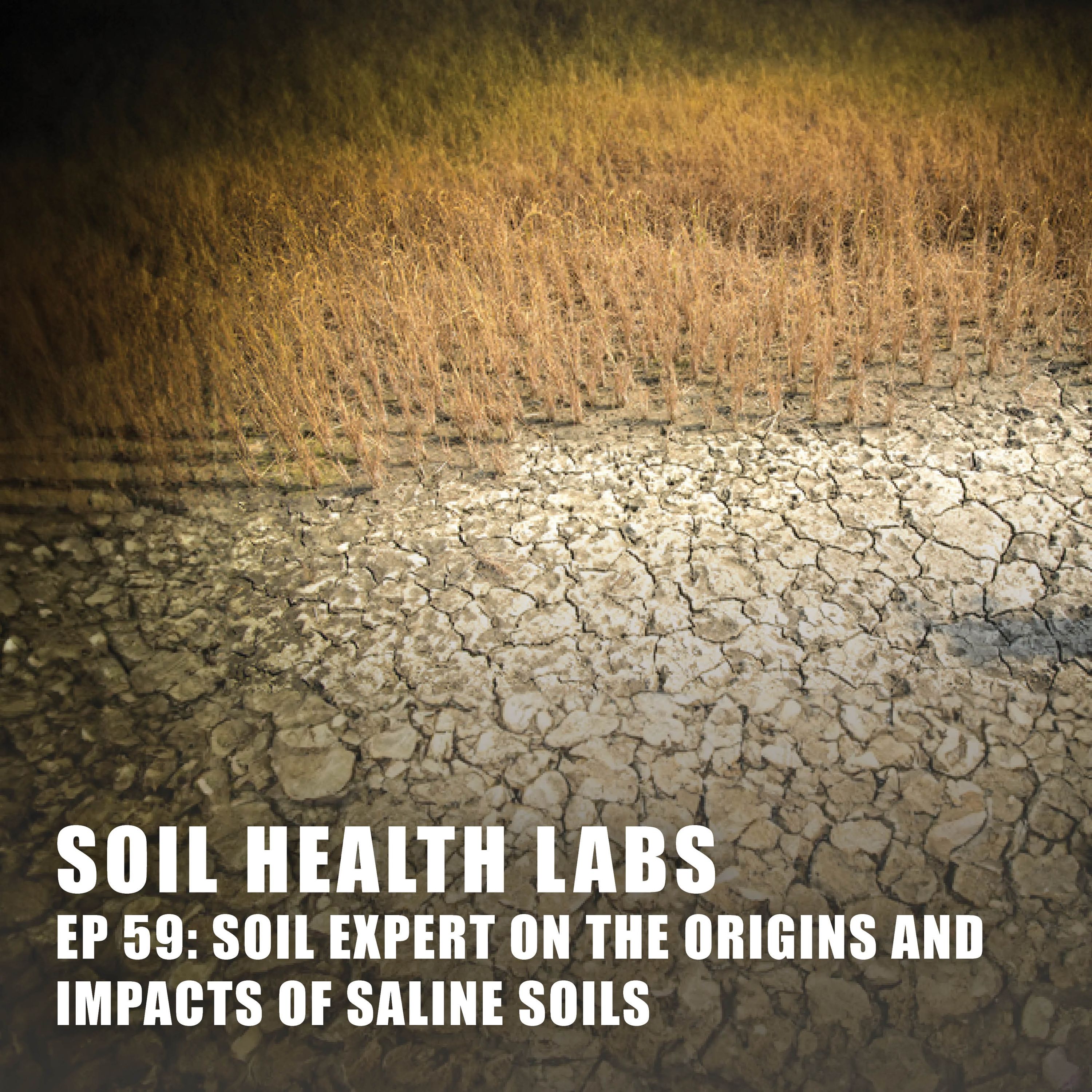
In this, our first series on salinity, we talk to Kent Cooley, area resource scientist in Rapid City, SD. We discuss some of the causes of salinity in South Dakota, where it's estimated that 7.5 million acres of land are affected by saline soils, with almost a million more acres added in the past 10-15 years due to management practices. Kent helps is dive into the geology aspects of the region, explaining how the presence of an ancient inland sea and subsequent sedimentation left a high concentration of salts in the soil. We also look at the natural processes that contribute to the formation of saline and sodic soils, including the role of parent material, climate, and water movement. Natural salinity can occur due to the upward movement of water dissolving salts in the soil, which then accumulate on the surface as the water evaporates. This process is exacerbated by certain agricultural practices that incorporate high disturbance, and low diversity. Our conversation also addresses the critical difference between saline and sodic soils, with sodic soils being particularly challenging to remediate due to their impact on soil structure and water infiltration. Kent stresses the importance of soil testing to accurately diagnose the condition affecting the soil, which in turn informs the appropriate remediation strategies.We briefly touch on remediation (the subject of future podcasts) and these include diversifying crop rotations, adopting no-till farming practices, and perennial systems to make better use of soil moisture and keep salts deeper in the soil profile. The podcast underscores the significance of managing the recharge areas (upslope of the salinity area) to prevent the movement of salts to the surface in lower areas. Additionally, Kent touches on the challenges and potential solutions for managing salinity in irrigation districts, where the use of water with moderate to high salt content can further exacerbate soil salinity issues.Kent emphasizes the need to be proactive and taking a comprehensive approach to addressing salinity including soil testing, appropriate residue management, crop selection, and the adoption of farming practices that preserve soil health and prevent the accumulation of salts in the soil profile.
Embed this episode
Ready to play
59 Soil Expert on the Origins and Impacts of Saline Soils
No transcript for this episode yet
Similar Episodes
No similar episodes found.
Similar Podcasts
No similar podcasts found.