
EPISODE · Nov 9, 2022 · 26 MIN
59: Susie Tanner: When Steelworkers Became Activist Artists— And What It Taught Us About Dignity, Loss, and Change – Part 1
from ART IS CHANGE: Strategies & Skills for Activist Artists & Cultural Organizers
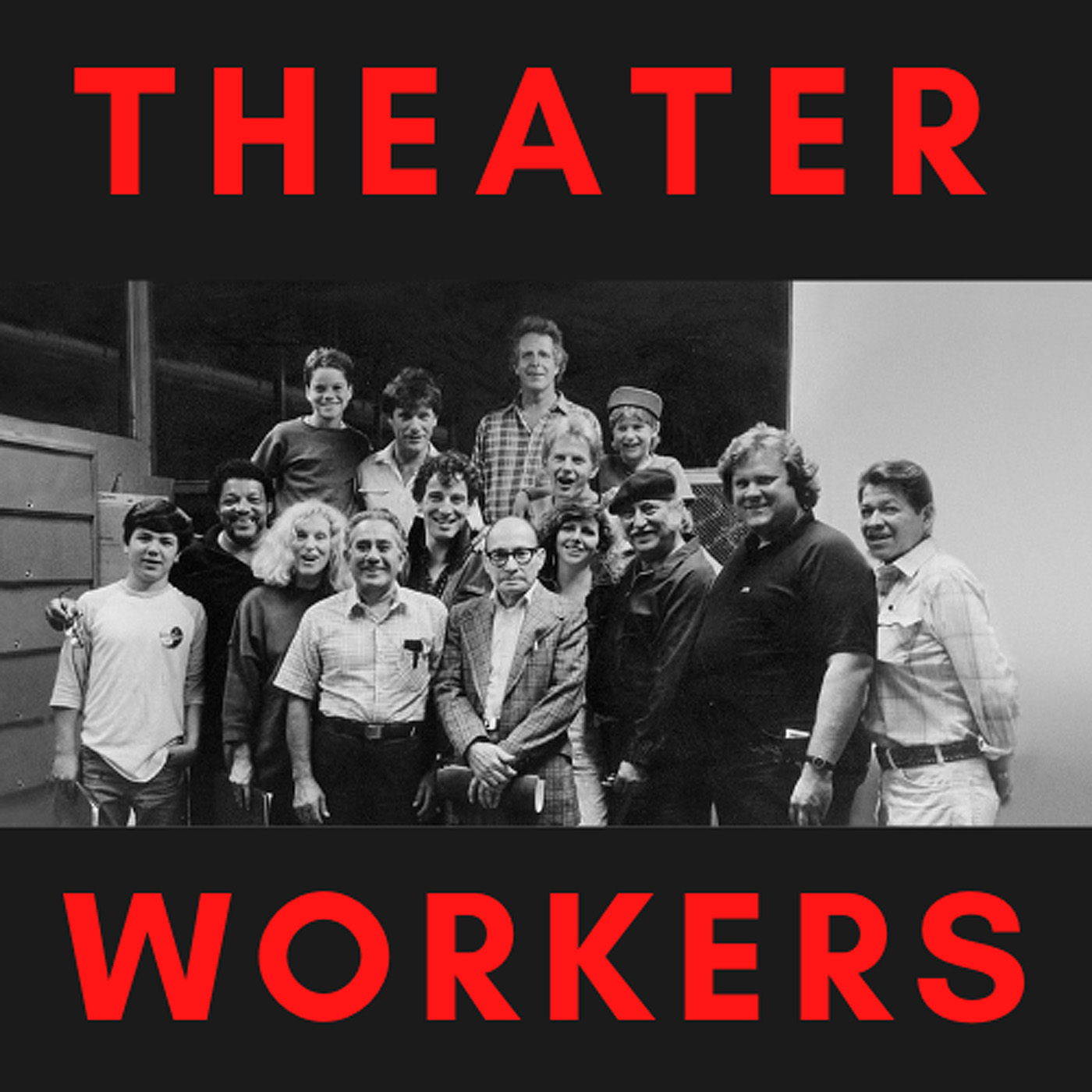
Once upon a time, theater Director Susie Tanner, steelworkers, & Bruce Springsteen teamed up to spread the devastating truth about steel plant shutdowns across the US. This is their story. BIOSusan “Susie” Franklin Tanner has worked as a Theatre Artist since 1973. In 1983 she received a California Arts Council Artist in Communities grant to create TheatreWorkers Project. As the founder and director, she has led the company in the development of 16 documentary plays including Lady Beth: the Steelworkers' Play that toured 16 cities, co-sponsored by Bruce Springsteen and was profiled in the PBS documentary “A Steel Life Drama”. In 1982, Tanner was honored to share her work on a production of Brecht's A Man's A Man with members of the Berliner Ensemble. She was a member of the Living Stage Company/Arena Stage in D.C. for 6 years, performing and/or teaching workshops for at-risk and underserved children, teens and adults. Her work with the company included workshop/performances in prisons and treatment centers. In Los Angeles, her community-based work has included creating theatre with steelworkers, shipbuilders, critical care nurses, Latino immigrants workers, formerly incarcerated men and women, and youth. Since 2016, Susie has led teams of artists in theatre, writing and movement workshops for formerly incarcerated and those on work release through CAC and California Humanities grants. In January 2019 Susie and her artist teams will bring this work to California State Prison, Lancaster through a CAC Arts in Corrections contract.She is a member of the SAG-AFTRA Radio Play Committee, for which she has directed 5 live radio performances. As a member of Ensemble Studio Theatre/LA, she has directed numerous staged readings and the critically acclaimed production of “To Serve Butter” for the 2016 One Act Festival, and has provided ongoing opportunities for young artists to work side by side with professionals. Producing/Directing credits include “The Luckiest Girl” and “No Word in Guyanese for Me”, staged at the Atwater Village Theatre, “Lake Titicaca” for the 2016 Short + Sweet Hollywood one act festival, “ISAAK”, which tours schools on an Actor’s Equity Theatre for Young Audiences contract, and "Fathers & Sons".Susie was an adjunct professor of Theatre for Social Change at Woodbury University for two years. In 2014-15, she collaborated with Woodbury on a project with La Colmenita, the Cuban national children’s theatre, and has collaborated with Mt. St. Mary’s University to implement the Theatre Intervention Project, serving severely depressed and recovering low income women from South Central LA. Teaching Artist positions include/have included LACHSA, Sequoyah School, Mark Taper Forum Saturday Conservatory, College of the Canyons, UCLA Extension, CSULA/EOP, LACC Theatre Academy, College of the Canyons, LAUSD and PUSD.Grants and awards include: 2011 Bravo Award and CTG JP Morgan Chase Fellowships, a 2014 National Artist Teacher Fellowship and the LA County Federation of Labor Union Label Award for cultural work within the labor movement. Susie has been funded by the California Arts Council for nine consecutive years and her company, TheatreWorkers Project, has recently been awarded an LAUSD Arts Community Network contract to being theatre productions and classes to underserved middle and high schools. for her eighth consecutiveNotable MentionsTheaterWorkers Project: (TWP) is dedicated to providing opportunities for members of underserved and unheard communities to tell their stories through the medium of theatre and to providing classical and contemporary theatre experiences that reflect and illuminate the human condition.Lady Beth: the steelworkers play This play that launched TheatreWorkers Project, told the stories of former steelworkers after the closing of the Bethlehem steel plant in Vernon, CA. In 1986, co-sponsored by Bruce Springsteen, Lady Beth toured 16 U.S. cities.“A Steel Life Drama”: A PBS documentary on the making of Lady Beth: the Steelworkers' Play that toured 16 cities, co-sponsored by Bruce Springsteen and was profiled in the PBS documentary “A Steel Life Drama”.Hollywood 10: The Hollywood were 10 motion-picture producers, directors, and screenwriters who appeared before the House Un-American Activities Committee in October 1947 who refused to answer questions regarding their possible communist affiliations, and, after spending time in prison for contempt of Congress, were mostly blacklisted by the Hollywood studios. McCarthyism, "witch hunts": The term originally referred to the controversial practices and policies of U.S. Senator Joseph McCarthy, and has its origins in the period in the United States known as the Second Red Scare, lasting from the late 1940s through the 1950s.[3] It was characterized by heightened political repression and persecution of left-wing individuals, and a campaign spreading fear of alleged communist and socialist influence on American institutions and of espionage by Soviet agents.[3] Stage TheaterBob Alexander / Living Stage Theater was a theatre for social change founded in 1966 by Robert A. Alexander (1929–2008). He served as the artistic director until 1995. Located in Washington, D.C., this professional improvisational theater offered participatory workshops to children, youth, teachers, parents, and community members. Living Stage’s main philosophy was based in the belief that every one is born an artist and the act of creation is the ultimate act of self-affirmation. The company's mission was to transform individuals and communities through creative empowerment. Actors Guild Bethlehem Steel mill in Vernon, California. Bethlehem Steel's roots trace to an iron-making company organized in 1857 in Bethlehem, which was later named the Bethlehem Iron Company.Bethlehem Steel survived the earliest declines in American steel industry beginning in the 1970s. In 1982, however, the company suspended most of its steelmaking operations after posting a loss of $1.5 billion, attributable to increased foreign competition, rising labor and pensions costs, and other factors. At its heights in the late 1970's The Bethlehem steel mill in Vernon, California, near Long Beach, employed over 2000 men and women. California Arts Council, Artists in Communities: Closed in 2020, this CAC program provided funds to artists as vehicles for community vitality. Artists in Communities grants support sustained artistic residencies in community settings. Applicant organizations, partners, and community members must support the vision of the artist(s) to produce creative projects that are relevant and responsive to their community. Theater Works. Manazar Gamboa was a Chicano poet and playwright who had spent much of his early years in prison. This collection consists of his plays, poems, and writing notes. It also includes research material on Chavez Ravine, the neighborhood where he grew up, which was demolished to make way for Dodger Stadium. Union<a href="https://brucespringsteen.net/"
Embed this episode
What this episode covers
Once upon a time, theater Director Susie Tanner, steelworkers, & Bruce Springsteen teamed up to spread the devastating truth about steel plant shutdowns across the US. This is their story.
NOW PLAYING
59: Susie Tanner: When Steelworkers Became Activist Artists— And What It Taught Us About Dignity, Loss, and Change – Part 1
No transcript for this episode yet
Similar Episodes
No similar episodes found.
Similar Podcasts
No similar podcasts found.