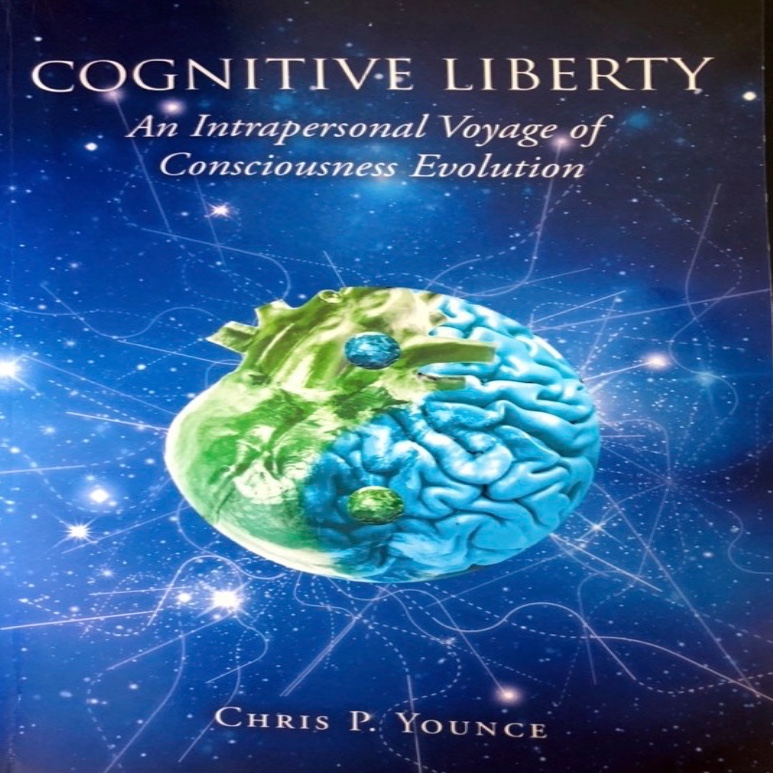
6. Neurological Conditions of Autism episode artwork

EPISODE · Jun 7, 2023 · 20 MIN

6. Neurological Conditions of Autism

from The Cognitive Liberty Podcast with ChrisPYounce · host harmonichomesteading

This episode was recorded shortly after daylight savings time, so I was feeling a bit off due to lack of sleep in trying to adjust to the new morning schedule. I began by introducing a form of augmentative/alternative communication (AAC) known as Facilitated Communication, or FC for short. FC is still a very fringe topic so it’s tricky to talk about it to a broader audience who hasn’t heard of it or to the uninitiated. One of the reasons FC is a fringe thing is that the speech and language pathology (SLP) community views it as a non-evidence-based practice. However, I would argue that it is, in fact, an evidence-based practice – along with several communication specialists I work with. Best practices of FC include a threefold approach for supporting an individual’s typing: emotional, communicative, and physical. The emotional component has to do with helping the typer stay connected and regulated to their communication process in being able to cope with some of the challenges and stressors of trying to communicate. The communicative component obviously has to do with helping the individual clarify unclear messages, but not directing where the messages are going or putting words in their mouth, so to speak. And the physical component is where the heart of its controversy lies: it’s a means to provide backward resistance for the typer so they do not strike the keyboard or letters too hard or get caught up in the loop of automatic, echolalic patterns that get in the way of effective or meaningful communication. Due to the nature of FC as a threefold support strategy for facilitating an individual’s typing rhythm and movement by means of “pointing,” the authenticity of authorship is a questionable anomaly in the eyes of the SLP community. This is primarily because physical support is provided; and to an outside observer, it may seem that the facilitator is influencing or even perhaps controlling what the message being typed out is. I encourage those who are interested in ASD to explore the world of AAC in depth and to have an open mind. The diversity of our individuality means we need to treat each AAC method on a case-by-case basis where it meets the needs and communication preferences of the individual. I invite you to follow me and feel free to DM me on the social medias with any thoughts or questions you may have regarding the book. Instagram @harmonic_homesteading Twitter @Chrispyounceman LinkedIn @Chris Younce Also, feel free to get a copy of the book so you can read along https://pagepublishing.com/books/?book=cognitive-liberty-younce Thanks for listening and for all your support! Cheers! Chris P.  

This episode was recorded shortly after daylight savings time, so I was feeling a bit off due to lack of sleep in trying to adjust to the new morning schedule. I began by introducing a form of augmentative/alternative communication (AAC) known as Facilitated Communication, or FC for short. FC is still a very fringe topic so it’s tricky to talk about it to a broader audience who hasn’t heard of it or to the uninitiated. One of the reasons FC is a fringe thing is that the speech and language pathology (SLP) community views it as a non-evidence-based practice. However, I would argue that it is, in fact, an evidence-based practice – along with several communication specialists I work with. Best practices of FC include a threefold approach for supporting an individual’s typing: emotional, communicative, and physical. The emotional component has to do with helping the typer stay connected and regulated to their communication process in being able to cope with some of the challenges and stressors of trying to communicate. The communicative component obviously has to do with helping the individual clarify unclear messages, but not directing where the messages are going or putting words in their mouth, so to speak. And the physical component is where the heart of its controversy lies: it’s a means to provide backward resistance for the typer so they do not strike the keyboard or letters too hard or get caught up in the loop of automatic, echolalic patterns that get in the way of effective or meaningful communication. Due to the nature of FC as a threefold support strategy for facilitating an individual’s typing rhythm and movement by means of “pointing,” the authenticity of authorship is a questionable anomaly in the eyes of the SLP community. This is primarily because physical support is provided; and to an outside observer, it may seem that the facilitator is influencing or even perhaps controlling what the message being typed out is. I encourage those who are interested in ASD to explore the world of AAC in depth and to have an open mind. The diversity of our individuality means we need to treat each AAC method on a case-by-case basis where it meets the needs and communication preferences of the individual. I invite you to follow me and feel free to DM me on the social medias with any thoughts or questions you may have regarding the book. Instagram @harmonic_homesteading Twitter @Chrispyounceman LinkedIn @Chris Younce Also, feel free to get a copy of the book so you can read along https://pagepublishing.com/books/?book=cognitive-liberty-younce Thanks for listening and for all your support! Cheers! Chris P.

NOW PLAYING

6. Neurological Conditions of Autism

0:00 20:59

No transcript for this episode yet

We transcribe on demand. Request one and we'll notify you when it's ready — usually under 10 minutes.

Frequently Asked Questions

How long is this episode of The Cognitive Liberty Podcast with ChrisPYounce?

This episode is 20 minutes long.

When was this The Cognitive Liberty Podcast with ChrisPYounce episode published?

This episode was published on June 7, 2023.

What is this episode about?

This episode was recorded shortly after daylight savings time, so I was feeling a bit off due to lack of sleep in trying to adjust to the new morning schedule. I began by introducing a form of augmentative/alternative communication (AAC) known as...

Can I download this The Cognitive Liberty Podcast with ChrisPYounce episode?

Yes, you can download this episode by clicking the download button on the episode player, or subscribe to the podcast in your preferred podcast app for automatic downloads.
URL copied to clipboard!