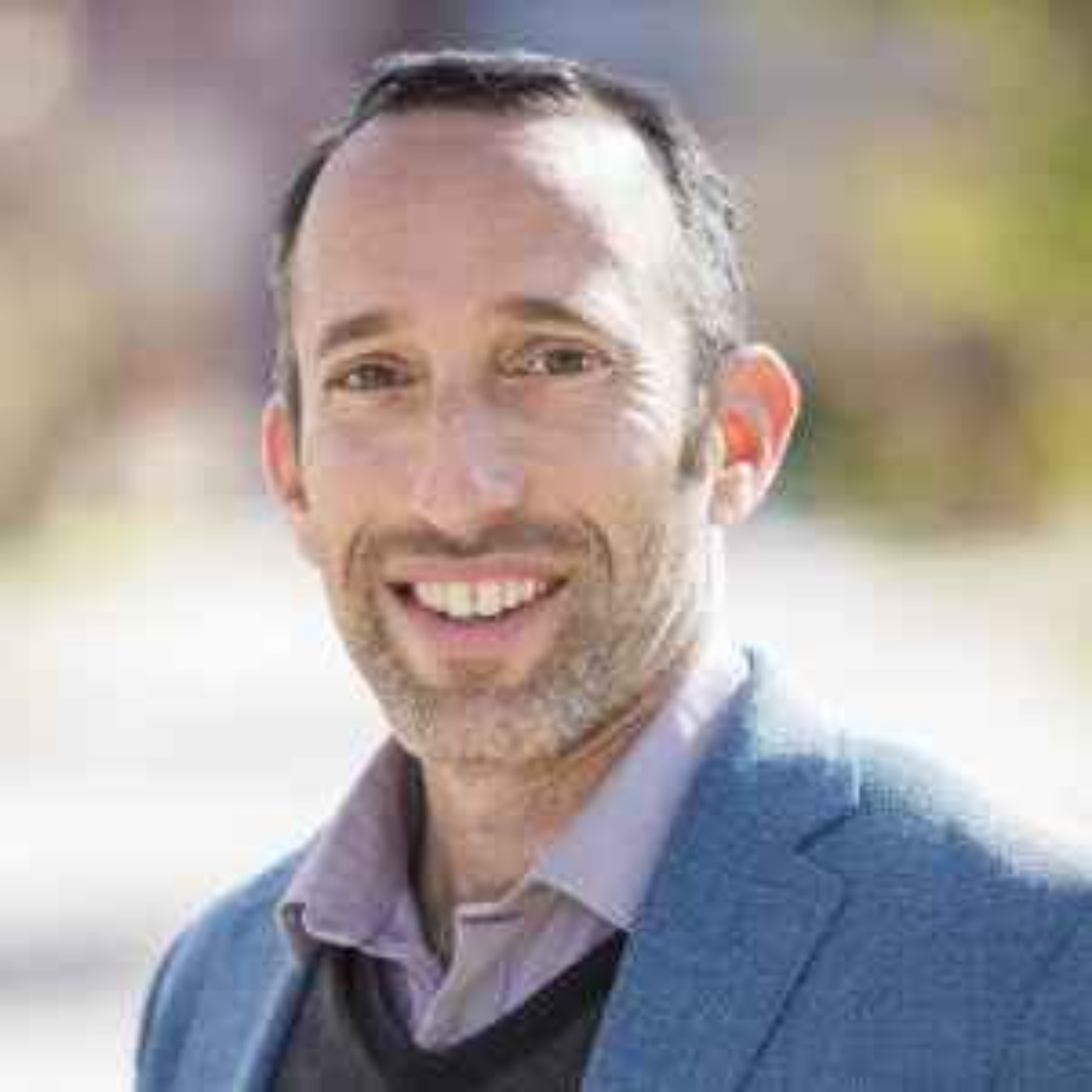
618: Dr. Michael Gurven, part 1: Our ancestors evolved to live to 72 years*, and did (not 30). episode artwork

EPISODE · Aug 23, 2022 · 58 MIN

618: Dr. Michael Gurven, part 1: Our ancestors evolved to live to 72 years*, and did (not 30).

from This Sustainable Life

*"The average modal age of adult death for hunter-gatherers is 72 with a range of 68–78 years. This range appears to be the closest functional equivalent of an 'adaptive' human life span."Would you be surprised that humans evolved to live to 72 years old? Wait, isn't one of the greatest results of our technology and progress to advance human lifespan from 30 years old?How long do humans live naturally? Of course, the question and its answers is complicated, but I found Michael through a paper he co-wrote with Hillard Kaplan: Longevity Among Hunter-Gatherers: A Cross-Cultural Examination, that researched the question through populations all over the world. Read the paper for their full research, but the quote at the top suggesting 72 years resulted from extensive research and analysis.Michael lived among many cultures that live more traditionally than anyone you've probably met. Not France or Japan, but the Tsimane, Ache, and Mosetene, and researched a world of others. In this conversation he shares how a guy from Philadelphia ended up there, as well as running a lab at UC Santa Barbara. Then we talk about how much we don't know about how our distant ancestors used to live but also how much we do know.I don't think I downplay the richness and complexity of this subject to ask why we so commonly believe all our ancestors used to live to around 30 but we lived much longer, at least if we lived past childhood.How did 30 become old age? What does progress mean if the system and culture that restored our lifespan lowered it in the first place? What if that system and culture is now lowering our lifespans? It forces me to reevaluate the values my culture promotes. Hosted on Acast. See acast.com/privacy for more information.

*"The average modal age of adult death for hunter-gatherers is 72 with a range of 68–78 years. This range appears to be the closest functional equivalent of an 'adaptive' human life span."Would you be surprised that humans evolved to live to 72 years old? Wait, isn't one of the greatest results of our technology and progress to advance human lifespan from 30 years old?How long do humans live naturally? Of course, the question and its answers is complicated, but I found Michael through a paper he co-wrote with Hillard Kaplan: Longevity Among Hunter-Gatherers: A Cross-Cultural Examination, that researched the question through populations all over the world. Read the paper for their full research, but the quote at the top suggesting 72 years resulted from extensive research and analysis.Michael lived among many cultures that live more traditionally than anyone you've probably met. Not France or Japan, but the Tsimane, Ache, and Mosetene, and researched a world of others. In this conversation he shares how a guy from Philadelphia ended up there, as well as running a lab at UC Santa Barbara. Then we talk about how much we don't know about how our distant ancestors used to live but also how much we do know.I don't think I downplay the richness and complexity of this subject to ask why we so commonly believe all our ancestors used to live to around 30 but we lived much longer, at least if we lived past childhood.How did 30 become old age? What does progress mean if the system and culture that restored our lifespan lowered it in the first place? What if that system and culture is now lowering our lifespans? It forces me to reevaluate the values my culture promotes. Hosted on Acast. See acast.com/privacy for more information.

NOW PLAYING

618: Dr. Michael Gurven, part 1: Our ancestors evolved to live to 72 years*, and did (not 30).

0:00 58:49

No transcript for this episode yet

We transcribe on demand. Request one and we'll notify you when it's ready — usually under 10 minutes.

Big Old Life: Heather Blackbird interviews people on planet earth. Heather Blackbird loves asking questions. This podcast is a learning experience. Join me, Heather Blackbird, as I talk to people about their lives. Frequency of new episodes is a little all over the place and I'm learning as I go. Big Old Life is a small way of talking about the vastness of life, one person at a time. If you are reading this or found this podcast it's probably because someone you know gave you a link to it. :) Explicit Tales Of A Superstar DJ The Insomniac Spun seemingly out of nowhere from her complacent life in the corporate world, turned seemingly overnight from 16-Hour shift work and into the life of a literally starving artist and working musician, The Protagonist navigates her supposed rise to fame and superstardom on a journey through spiritual awakening, coming-of-age, and intimate self-realization--guided by an omnipresent force and equipped with the power of love, magic, and music. {Enter The Multiverse.} [The Festival Project] The Festival Project, Inc.™ is a multidimensional multimedia platform which encompasses exploratory and artistic social personifications and expressions on cosmic theory, spirituality, growth, health & wellness, philosophy and theoretic dynamics in entertainment such as music, design, film, television, radio, dance and festival culture, art, fashion, literature, and science. The Festival Project™ and its subsidiary Non-Profit, The Collective Complex © aims to challenge modern artistic and philosop Explicit The Sacred +Profane Podcast nephtaragrace The Sacred + Profane Podcast is a provocative conversation dedicated to cementing a better future for all. We specialize in unpacking the nuances of what is considered sacred and profane, particularly focusing on sex, death, and all that pertains to the circle of life. Our aim in focusing on such ”taboo” subject matter is to demystify what is unconscious, bring to light what has been known for centuries as ”the occult,” and empower the rapid transformation that is occurring on the Planet. Explicit Northern Sass and Southern Class Tay and Ani Come sit in on girl talk with Tay and Ani as we discuss life in Texas, girl math, food, wine and roasting each other. Explicit

Frequently Asked Questions

How long is this episode of This Sustainable Life?

This episode is 58 minutes long.

When was this This Sustainable Life episode published?

This episode was published on August 23, 2022.

What is this episode about?

*"The average modal age of adult death for hunter-gatherers is 72 with a range of 68–78 years. This range appears to be the closest functional equivalent of an 'adaptive' human life span."Would you be surprised that humans evolved to live to 72...

Can I download this This Sustainable Life episode?

Yes, you can download this episode by clicking the download button on the episode player, or subscribe to the podcast in your preferred podcast app for automatic downloads.
URL copied to clipboard!