
EPISODE · Jan 18, 2023 · 53 MIN
63: Witches Are Not Victims: Liz Lerman on Power, Performance & Cultural Legacy – Part 1
from ART IS CHANGE: Strategies & Skills for Activist Artists & Cultural Organizers
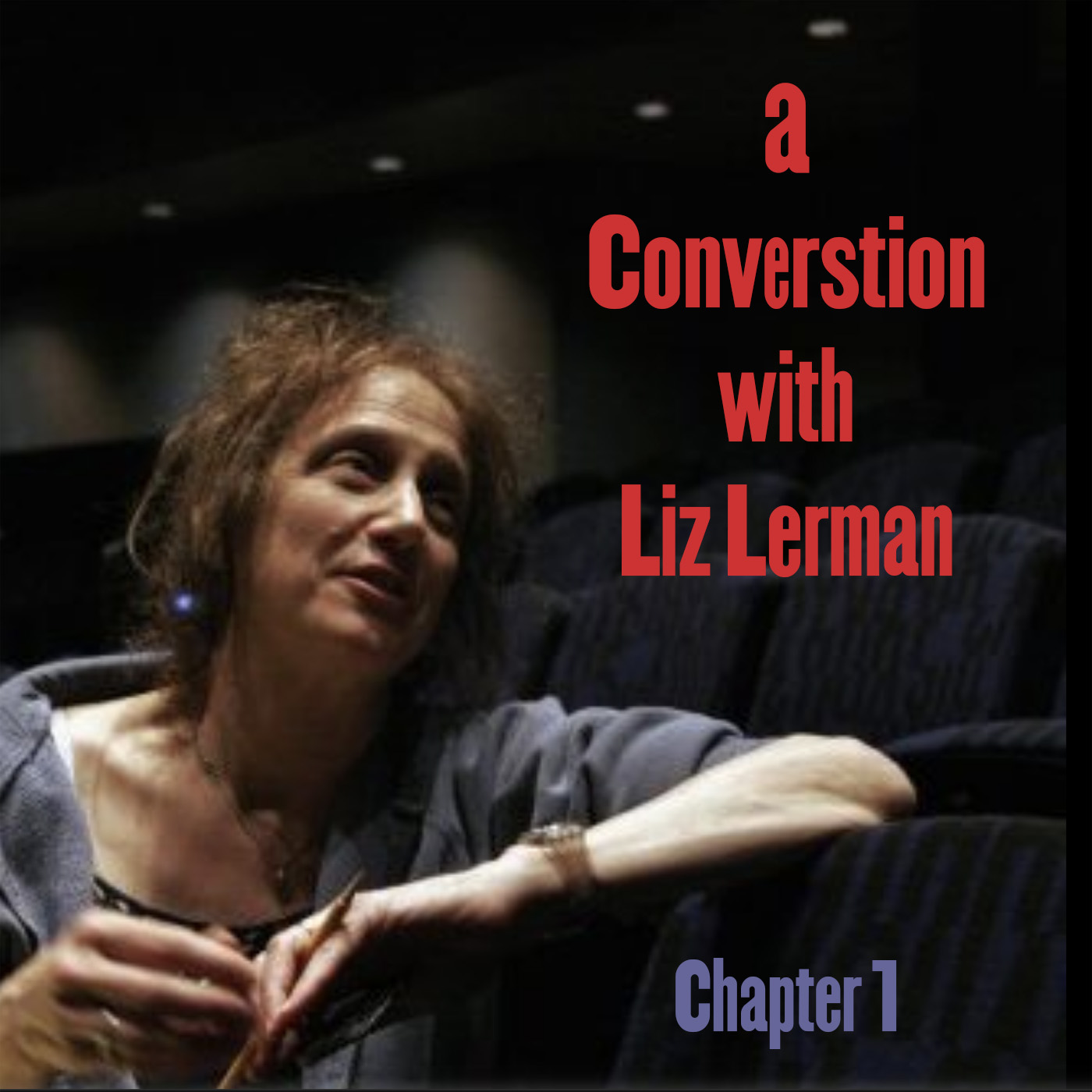
Liz LermanIn chapter one of our conversation with Liz Lerman we'll talk about her early years, her career as a heretic, the critical response process, the Heisenberg Uncertainty, the power of the horizontal, and how dance can make the world a better place. BIOLiz Lerman is a choreographer, performer, writer, teacher, and speaker. She has spent the past four decades making her artistic research personal, funny, intellectually vivid, and up to the minute. A key aspect of her artistry is opening her process to everyone from shipbuilders to physicists, construction workers to ballerinas, resulting in both research and experiences that are participatory, relevant, urgent, and usable by others.Called by the Washington Post “the source of an epochal revolution in the scope and purposes of dance art,”[4] she and her dancers have collaborated with shipbuilders, physicists, construction workers, and cancer researchers.[5] In 2002 she won the MacArthur Genius Grant;[6] in 2009, the Jack P. Blaney Award in Dialogue acknowledged her outstanding leadership, creativity, and dedication to melding dialogue with dance;[citation needed] and the 2017 Jacob’s Pillow Dance Award.[7]She founded the Liz Lerman Dance Exchange in 1976 and led the company's multi-generational ensemble until July 2011, when Lerman passed the leadership of her company to Cassie Meador;[8] the company is now called simply Dance Exchange.[9] .[10]Under Lerman's leadership Dance Exchange appeared across the U.S. in locations as various as the National Cathedral,[11] Kennedy Center Opera House,[12] and Millennium Stage,[13] Lansburgh Theatre,[14] Clarice Smith Performing Arts Center,[14][15] Harvard University,[16] and the Museum of Contemporary Art, Chicago.[17][18]Lerman's early work was strongly associated with the inclusion of older people alongside more traditional young performers,[19] and with the use of personal narrative.[4] Her later-career work has focused on questions ofNotable MentionsDance Exchange: (Previously, Liz Lerman Dance Exchange) Fueled by generosity and curiosity, Dance Exchange expands who gets to dance, where dance happens, what dance is about, and why dance matters. Dance Exchange harnesses the power of creativity and inquiry through dance to connect communities, to deepen our understanding of ourselves and to foster a more embodied, resilient and just world. Critical Response Process: Liz Lerman’s Critical Response Process is a method for giving and getting feedback on work in progress, designed to leave the maker eager and motivated to get back to work. is CreativePee-Posh (Maricopa): The Maricopa people were small bands living along the lower Gila and Colorado rivers. Each of these bands migrated eastward at different times. The Xalychidom (Maricopa of Lehi), left around 1825-1830. The last of these bands is said to have left the Colorado River in the late 1830’s. Eventually these bands came together and became collectively known as the Maricopa. As they migrated eastward, they came upon the Pima tribe and established a relationship. Both tribes provided protection against the Yuman and Apache tribes. Tohono O’odham: The Tohono O’odham Nation is comparable in size to the state of Connecticut. Its four non-contiguous segments total more than 2.8 million acres at an elevation of 2,674 feet. Within its land the Nation has established an Industrial Park that is located near Tucson. Tenants of the Industrial Park include Caterpillar, the maker of heavy equipment; the Desert Diamond Casino, an enterprise of the Nation; and, an 23 acre foreign trade zone. of Wisconsin with a sociologist named Pearlman.Freedom Schools: The Freedom Schools of the 1960s were part of a long line of efforts to liberate people from oppression using the tool of popular education, including secret schools in the 18th and 19th centuries for enslaved Africans; labor schools during the early 20th century; and the Citizenship Schools formed by Septima Clark and others in the 1950s. Anna Halprin: was an American choreographer and dancer. She helped redefine dance in postwar America and pioneer the experimental art form known as postmodern dance and referred to herself as a breaker of the rules of modern dance.[4] In the 1950s, she established the San Francisco Dancers' Workshop to give artists like her a place to practice their art. Exploring the capabilities of her own body, she created a systematic way of moving using kinesthetic awareness.[5 Florence West, dance Milwaukee: Modern dance in Milwaukee begins with Florence West (1912-1994). West left Milwaukee at seventeen to dance in a Broadway road show, quit when she discovered ballet during a tour stop in Detroit, and found her way into the corps of the Chicago Civic Opera ballet. A Milwaukee opera producer asked her to come home to add choreography to a local production of Carmen. She soon became the go-to dance person for Milwaukee dance, theater, and opera companies.Amira de la Garza: After spending a year in Mexico as a Fulbright Scholar, her experiences with the everyday talk and life around her led her to develop methods to integrate
Embed this episode
What this episode covers
In chapter one of our conversation with Liz Lerman we'll talk about her early years, her career as a heretic, the critical response process, the Heisenberg principle, the power of the horizontal, and how dance can make the world a better place.
NOW PLAYING
63: Witches Are Not Victims: Liz Lerman on Power, Performance & Cultural Legacy – Part 1
No transcript for this episode yet
Similar Episodes
No similar episodes found.
Similar Podcasts
No similar podcasts found.