
EPISODE · Mar 13, 2026 · 19 MIN
634-The GPX1-OSBPL8 Axis: Pathway for In Vivo Ferroptosis
from Paper Talk
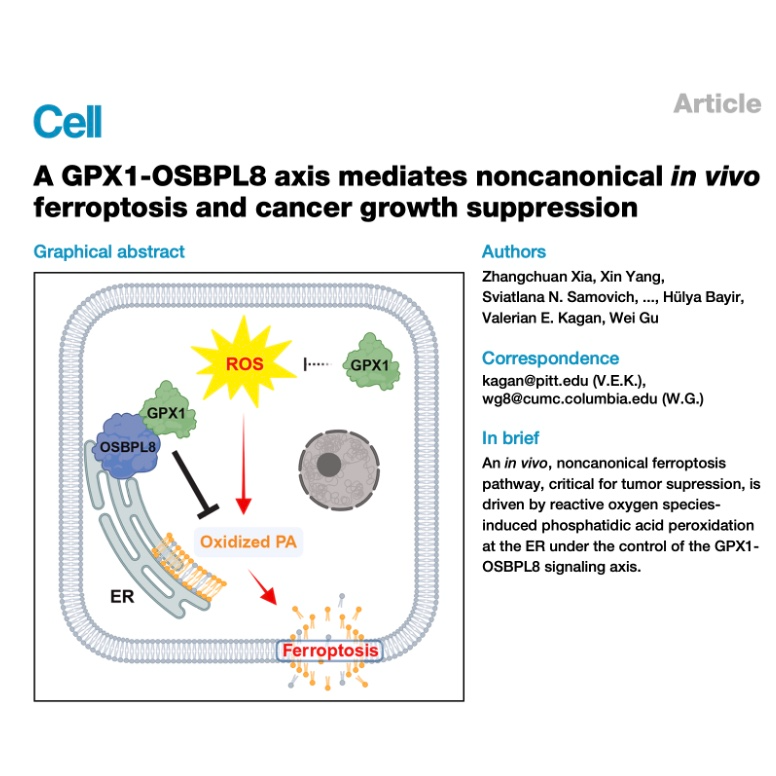
This research identifies a noncanonical ferroptosis pathway that occurs naturally in vivo and is driven by reactive oxygen species (ROS). Scientists discovered that the protein GPX1 serves as a specific shield against this process by reducing oxidized phosphatidic acid, a type of lipid damage that accumulates in the endoplasmic reticulum. Unlike the better-known GPX4-dependent pathway, this mechanism is triggered by high internal stress rather than external chemical inducers. The study reveals that GPX1 must interact with a secondary protein, OSBPL8, to be properly recruited to cellular membranes for its protective function. Because cancer cells typically produce elevated levels of ROS, they often overexpress these proteins to survive. Consequently, disabling the GPX1-OSBPL8 axis triggers cell death and effectively suppresses tumor growth, offering a promising new strategy for cancer therapy.References: Xia Z, Yang X, Samovich S N, et al. A GPX1-OSBPL8 axis mediates noncanonical in vivo ferroptosis and cancer growth suppression[J]. Cell, 2026.前往小宇宙评论区与主播互动
Embed this episode
Ready to play
634-The GPX1-OSBPL8 Axis: Pathway for In Vivo Ferroptosis
No transcript for this episode yet
Similar Episodes
No similar episodes found.
Similar Podcasts
No similar podcasts found.