
EPISODE · Mar 18, 2026 · 22 MIN
656-Cellular Architecture in the Spinal Cord
from Paper Talk
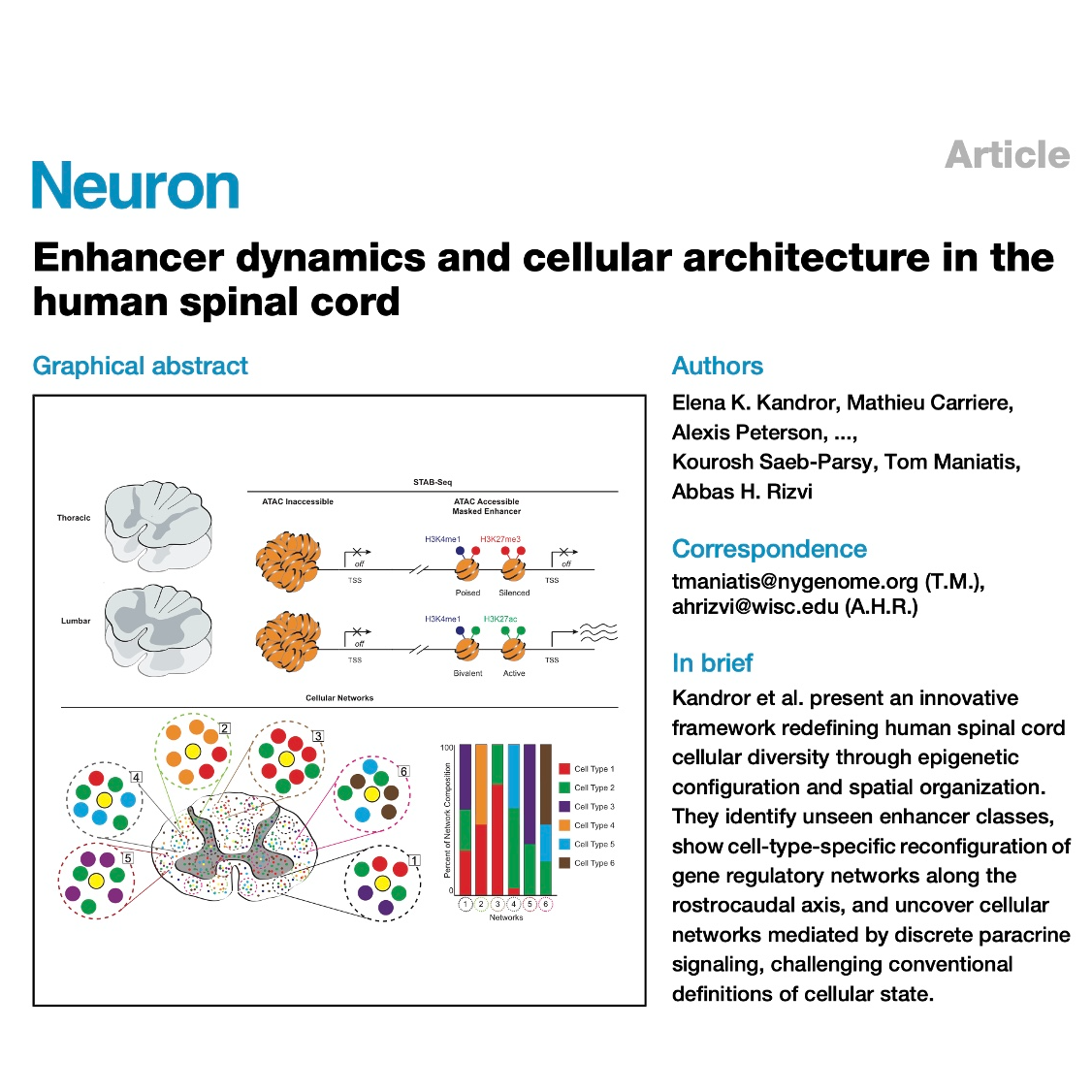
This research presents a comprehensive epigenetic and spatial atlas of the healthy adult human spinal cord, focusing on the thoracic and lumbar segments. By utilizing innovative techniques like STAB-seq and STARmap, the authors identify "masked enhancers"—regulatory elements that activate genes through histone modifications without changing physical chromatin accessibility. The study reveals that glial cell diversity and gene regulatory networks are significantly influenced by their anatomical position along the spinal cord's length. Furthermore, the findings demonstrate that cells organize into stereotyped networks that facilitate specific paracrine signaling interactions. These discoveries redefine our understanding of cellular identity and provide a molecular template for investigating neurodegenerative diseases like ALS. In summary, the work highlights how regulatory plasticity and spatial context drive the functional specialization of the central nervous system.References: Kandror E K, Carriere M, Peterson A, et al. Enhancer dynamics and cellular architecture in the human spinal cord[J]. Neuron, 2026.前往小宇宙评论区与主播互动
Embed this episode
Ready to play
656-Cellular Architecture in the Spinal Cord
No transcript for this episode yet
Similar Episodes
No similar episodes found.
Similar Podcasts
No similar podcasts found.