
EPISODE · Mar 24, 2026 · 21 MIN
686-TGFβ-Induced Atypical EMT and Immune Mechanosurveillance
from Paper Talk
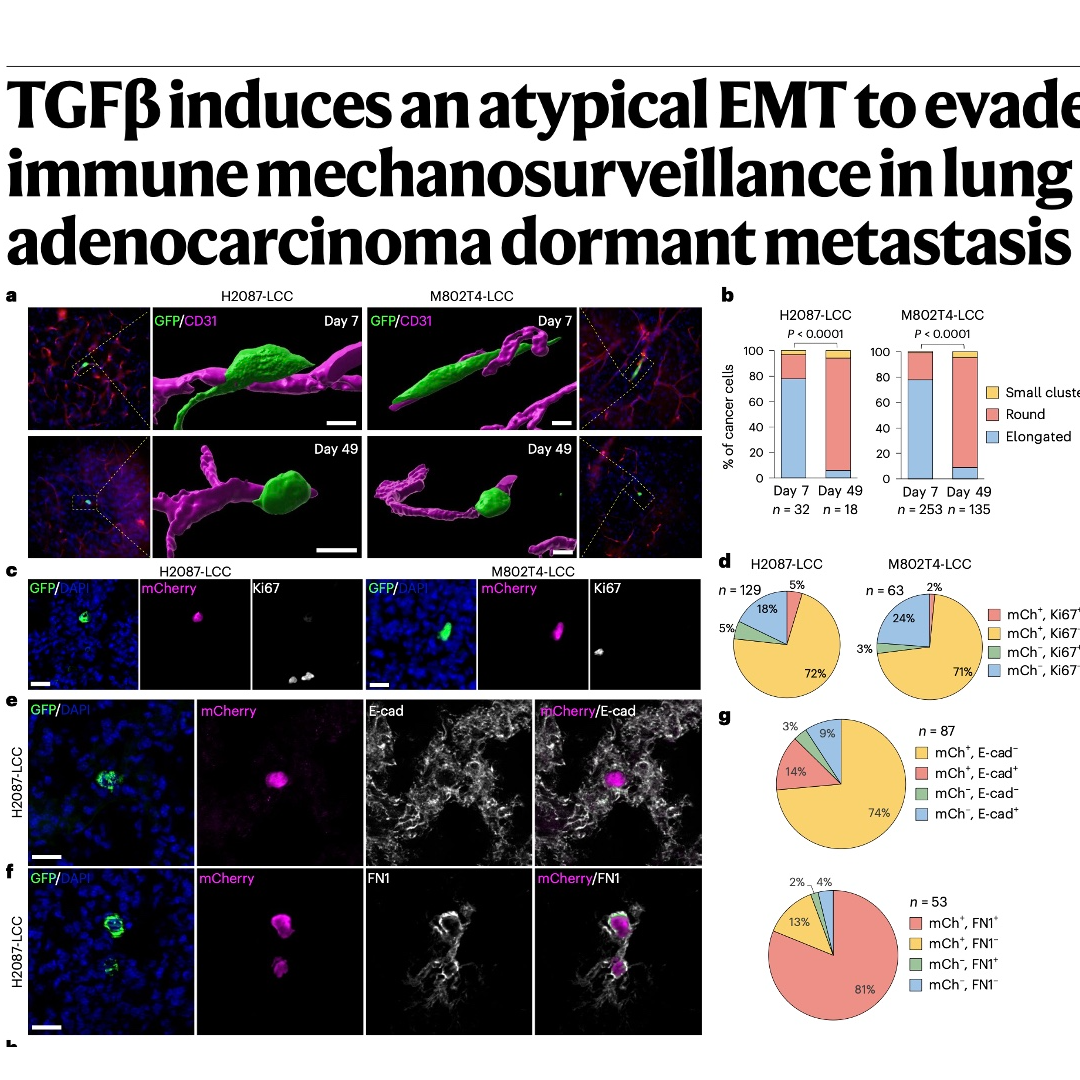
This research investigates how lung adenocarcinoma (LUAD) cells survive in a dormant state by utilizing a unique biological transition. While the TGFβ protein typically triggers a movement-oriented change in cancer cells, these specific progenitors instead adopt an atypical mesenchymal state characterized by a round shape and a lack of actin stress fibers. By producing a protein called gelsolin, these dormant cells soften their structure to become biomechanically less stiff, allowing them to hide from the immune system's mechanical detection. This structural softening effectively protects the cancer from being destroyed by cytotoxic lymphocytes during long periods of latency. Ultimately, the study reveals that this morphological shift is a critical survival tactic that enables metastatic cells to persist until they are ready to form active tumors.References: Wang Z, Elbanna Y, Godet I, et al. TGFβ induces an atypical EMT to evade immune mechanosurveillance in lung adenocarcinoma dormant metastasis[J]. Nature Cancer, 2026: 1-19.前往小宇宙评论区与主播互动
Embed this episode
Ready to play
686-TGFβ-Induced Atypical EMT and Immune Mechanosurveillance
No transcript for this episode yet
Similar Episodes
No similar episodes found.
Similar Podcasts
No similar podcasts found.