
EPISODE · Sep 10, 2020 · 33 MIN
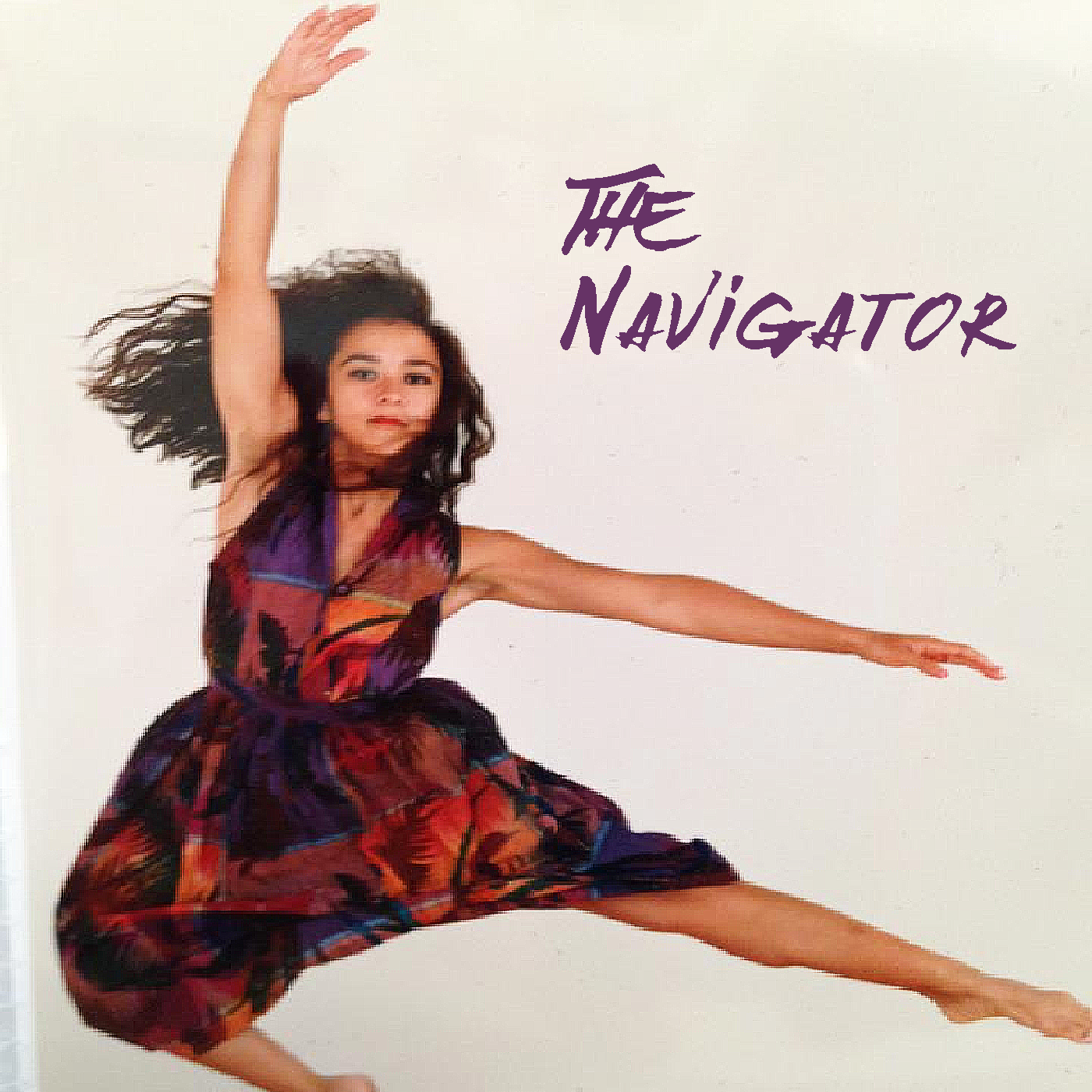
7: Sandy Agustin on Navigating the Art and Social Change Landscape (Activist Artist Spotlight)
from ART IS CHANGE: Strategies & Skills for Activist Artists & Cultural Organizers
Transcript Episode 7: Sandy Agustin - The NavigatorSandy Agustin: Why do you want to change? Why do you want to change? Now? What do you all hold true? What do you see as missing? It's asking the right questions, finding really generous and generative questions. And when people get stuck, sometimes we push, and we name what's hard. Sometimes we just shake it up and we have to move around. We have to play a little bit; we have to think and move physically through the space to get to something different. So, in many of the cases of the groups I've been working with lately, I find out that they've had the ruby slippers on, and the ability all the time. They just are looking at things through a lens that wasn't necessarily theirs, you know. Bill Cleveland: From the Center for the Study of Art and Community, this is Change the Story Change the World, a chronicle of art and transformation. I’m Bill Cleveland. Like Leni Sloan, from our first two episodes, SA: is what one might characterize as a creative polymath. A dancer, choreographer, university and community educator, a producer, a community leader, healer, an artful alchemist whose work in the US and overseas spans three decades. She's fueled her explorations and adventures with questions. “What's your story? Who are your heroes? Where do you want to go? And how can we help you get there?”. I spoke to Sandy in mid-May of 2020 in the midst of the global question, mark that I've been calling Planet COVID. Certainly, a suitable moment for a lively conversation with somebody who describes herself as a navigator. Part One, Learning to Drive. So Sandy, this may be a daunting task for you because you're so many things to so many communities, and so many different people, but give it a shot. Try to describe what it is you do in the world. SA: Okay. I have had to define this more and more right, as the world has gotten more complex, and for me to say what I do is that I'm a creative navigator. If you say, you want to go to a place, let's say you want to go up north to a particular town, my job would be to help you figure out what kind of car is the right car? What kind of fuel is the right fuel? If there are stops along the way, to define why is that the best place, and who are the people that should be in the car or who are the people in those places that you want to see along the way. So, it really is helping me individuals and organizations that navigate where they're going. My methodology is creative, and creative means anything that will get us out of only intellectualizing the story. But to find the heart of the story, that may be writing, it might be movement, it might be being really silly and playful and being humorous, it might be individual writing, and it might be talking in small groups or communicating and story sharing with one other person.BC: So, the metaphor you're using is the journey. road trip, actually one of my absolute favorite things, using creative tools and strategies to help folks and communities navigate a journey of decision making or change. Can you share an example? SA: Maybe most recently, the Regional Arts Council, they're looking at equity and equitable giving, giving to communities that haven't typically been given to before. You want to look at what, what has been your vehicle of choice or inherited vehicle. Are those still the right ones? Why do you want to change? Why do you want to change? Now? What do you all hold true? What do you see as missing? It’s asking the right questions, finding really generous and generative questions, and when people get stuck, sometimes we push, we name what's hard. Sometimes we just shake it up and we have to move around. We have to play a little bit; we have to think and move physically through the space to get to something different. So, in in many of the cases of the groups I've been working with lately, I find out that they've had the ruby slippers on and the ability all the time, they just are looking at things through a lens that wasn't necessarily theirs. You know, I just said an eye exam, right? Which lens is clear one two, or two three? Yeah, well that one works, but it's a lot clearer if I get the right ones that fit my eyes. I can see better; I can see clearer, and then I can function in the world better from looking through the right lenses. So, I feel like that navigation is really helping people find the right lenses, and often times they've had them or they've had access to them. They just didn't know they did.BC: Now, you've done a lot of work, advancing social change with communities and organizations. Some people may not really understand how the creative process that you use, these methods of inquiry that you use, can be relevant to people dealing with issues of poverty or crime or feelings of safety, or a sense of belonging in the world. Can you talk about that?SA: Yeah, I have been taking Tango in the last few years, and in interviewing veteran dancers, good leaders will say a good leader’s job is to make you feel safe and feel beautiful. I'm not going to impose something on you, I want to make you feel safe so that you could get there, and that you can shine and feel beautiful. Okay, so I'll just say that as a mover, that one's really resonating with me. In the case of working with, let's say a group of folks that have been struggling with addiction and chronic homelessness who are desperately trying to get themselves together so they can be good parents or good partners, what does it mean to feel safe and good in your own skin? How can building community helps in that quest for oneself?BC: So, safe and good! Talk about how these creative tools and strategies can help these wounded souls begin to feel safe and good in their own skin. SA: So, for instance, would be offering up some creative tools, some designated time for people to focus on themselves, to be creative and exercise something that is really about their own expression. It's their opinion, there's no right or wrong, that allows them to find their own flow and express themselves in a way that they're not invited to very often. In that case, if the individual feels like their creative badge has been shined and polished, and other people are sharing in that, sharing in their work, they're giving an exchanging, it's still sharing story in a safe and comfortable context that allows them then to flourish and perhaps understand each other really one to one human level. So, if communities feel comfortable with the people in those communities, whatever they describe themselves to be, feel confident, safe, comfortable enough to be beautiful to be creative, I think we've got a healthier, more functional community.BC: So, your experience is that when you make art with folks, these things happen, a sense of safety, a sense of connection, a sense of coherence, and that people who are struggling with issues of substance abuse or poverty or equity, for these folks, this provides a foundation for individual and collective problem solving and action.SA: You know, it gives them agency in their own lives where maybe they haven't felt control over a lot of things. This is something you can't, you know, can't take that away from me, as the song says. I wonder, you know, there's perhaps a reason why that brain stores music, musical memories in a different place when the rest of the brain can be in trauma. What's sacred about that music? So. what is sacred about those creative juices? You know, when people's brains are otherwise traumatized, there's got to be something about the sanctity of one's own creative expression.BC: You know, there's an interesting theoretical conversation that's been taking place among anthropologists and evolutionary psychologists who speculate that prior to the development of language in human species, you're describing them making a musical sounds and patterns with the voice was actually an early adaptive behavior that advanced our survival as humans. First, you know, because it's a powerful way to focus the attention of the community, the tribe, and second because it reinforces that thing that you described earlier, which is a sense of identity or agency within that community. So, the answer to your question about why the brain seems to process music differently, may in fact just be that our brain evolved in a way that reinforces those things that work for us in the world, and that music is one of those. SA: Yes, and I, you know, I harken back to, I mean my own upbringing was when we had people over which was often, we always had out the tinkling sticks, which are the long bamboo poles, and we did a tinkling dance, which is jumping in and out in the polls, I call it our own version of jump rope or double dutch. The idea was not to get caught by the sticks. […] Tinkling, it means it's a bird. It's mimicking these bird movements don't we always send music and dancing at all our parties. And to this day, people still talk about that. I remember all the parties in your backyard. I took it for granted that it's, it's always been a part of me to celebrate through music and through dance. It's a way of gathering family, It's a great way of sharing experiences, it’s a way of celebrating.BC: In your sharing this family history, you're touching on your influences and how you came to this kind of work. Could you tell more of that story?SA: Well, I harken all the way back to as a child grew up again the daughter of a...
Embed this episode
Ready to play
7: Sandy Agustin on Navigating the Art and Social Change Landscape (Activist Artist Spotlight)
No transcript for this episode yet
Similar Episodes
No similar episodes found.
Similar Podcasts
No similar podcasts found.