
EPISODE · Jan 6, 2025 · 1H 18M
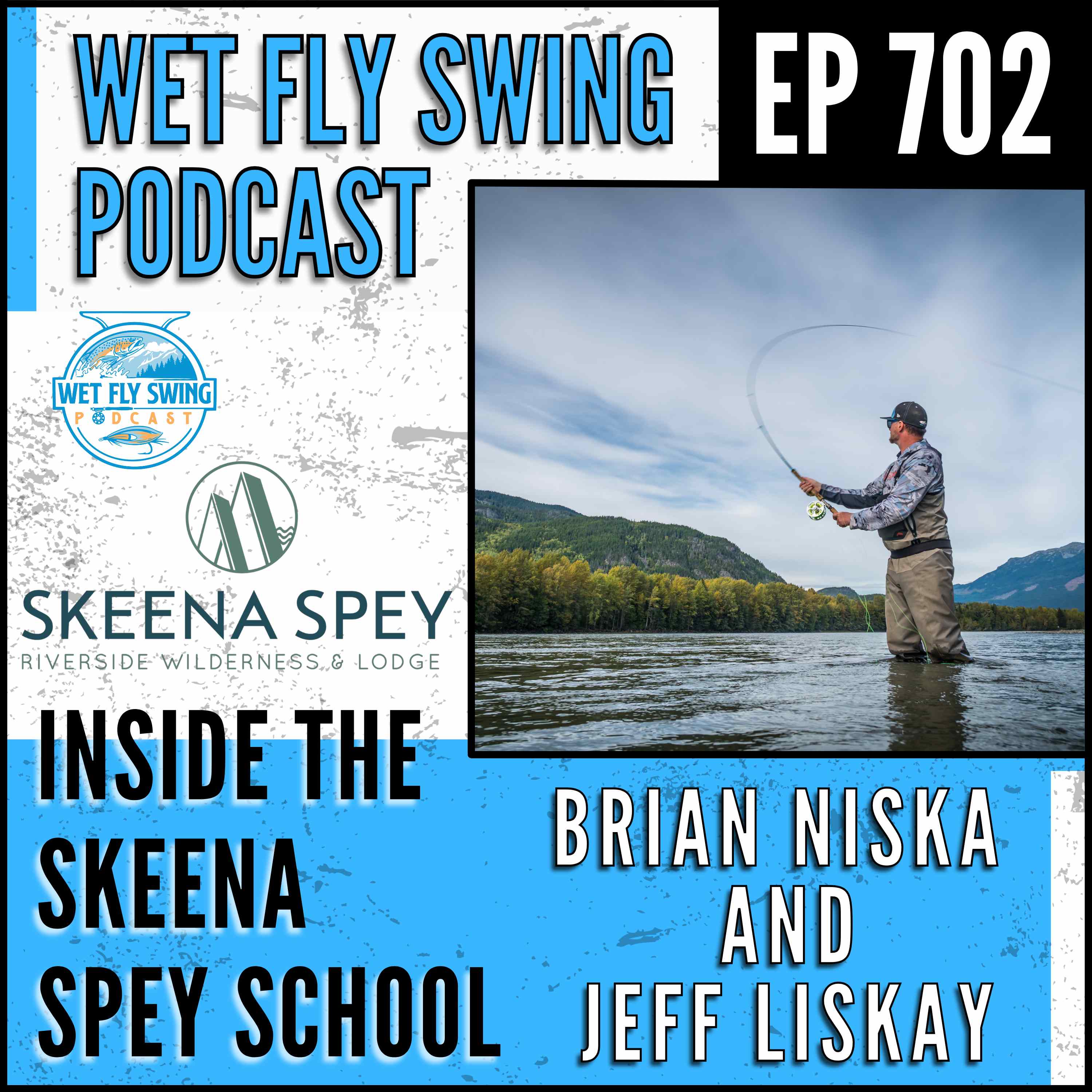
702 | Inside the Skeena Spey School with Brian Niska and Jeff Liskay
from Wet Fly Swing Fly Fishing Podcast
#702 Show Notes: https://wetflyswing.com/702 Presented by: Stonefly Nets, Waters West Sponsors: https://wetflyswing.com/sponsors In this episode, Brian Niska and Jeff Liskay talks about our upcoming Skeena Spey School and what makes the Skeena River a prime location for steelhead fishing. Expect to learn the art of spotting fish upstream, techniques to keep your fly in the "bucket" longer, and discover the best rods and lines suitable for both the West Coast and Great Lakes regions. This episode is packed with essential tips for anyone looking to enhance their steelhead fishing experience, including the top four criteria for finding fish on any steelhead water. Whether you're planning a trip to the majestic Skeena River or simply looking to improve your angling skills, this episode promises to equip you with the knowledge and inspiration you need. Episode Chapters with Brian Niska and Jeff Liskay on the Skeena Spey School 2:46 - Jeff expresses excitement about visiting the Skeena Spey Lodge, emphasizing the value of learning from experienced steelhead guides and the camaraderie among participants. Brian, the owner of the lodge, describes its unique appeal, highlighting the opportunity to catch pristine steelhead in shallow waters. 5:39 - Jeff shares that the biggest steelhead he has seen in the Skeena is close to 30 pounds. Brian explains that while the fishing season runs from mid-July to the end of October, late August to early September is particularly favorable because as water temperatures drop, fish begin to settle in the runs, increasing catch rates. 12:00 - We discuss the differences and similarities between fishing in the Great Lakes and the Skeena River, particularly for steelhead. Jeff emphasizes the importance of understanding how to fish the fly properly, noting that techniques learned in the Great Lakes can be valuable when applied to the Skeena. 14:29 - Jeff asks Brian about his approach to guiding anglers on the lower Skeena River. Brian explains that he doesn't typically have anglers fish one after the other in a step-and-cast manner. Instead, he assigns each angler their own section of the river, focusing on specific features such as diagonal bars or clusters of rocks, which can indicate where fish might choose to linger. 21:44 - We discuss the fluctuations in steelhead fish populations on the West Coast and the Great Lakes. Brian notes that natural variability in fish numbers has always existed, but modern technology and communication amplify awareness of these changes. 26:50 - Brian describes the Skeena, highlighting that within 15 minutes in any direction, one can experience solitude, yet the area is easily accessible due to its modern airport and proximity to town amenities. The lodge is conveniently located near the airport, equipped with Wi-Fi, and benefits from fresh supplies due to its closeness to town. 27:57 - Brian outlines the itinerary for those who are planning to fish the Skeena. He also emphasizes the importance of using a 12 to 13-foot rod with a Skagit or Scandi head, rather than larger rods, to fish effectively. He advises guests to maintain a mindset of optimism and confidence, believing that any suspicious movement in the water could be a fish. 30:59 - I share a memorable experience where I caught a bright coho, initially mistaking it for a steelhead. Brian explains that the catch varies year to year, with some years having more steelhead than coho, and vice versa. He notes that coho are aggressive fish that often hit harder than steelhead, describing them as tough fighters resembling Chinook salmon in build. 33:09 - Jeff provides valuable tips for fishing the Skeena River, emphasizing the importance of using one's eyes as the best tool. His first tip is to let the fly dangle in a foot of water for potential success. His second tip involves working through a run and paying attention to the movement of the fly. 34:57 - We talk about strategies for effectively fishing in challenging water conditions, particularly when dealing with obstructions like rocks. Jeff explains his approach by imagining himself as the fly to better understand fish behavior. He notes that fish often lay in front of or beside rocks, contrary to the common belief that they stay behind them. Jeff describes his technique of slowly moving his weight down to allow the fly materials to undulate and then positioning the rod toward the middle of the river to slow down the swing and keep the fly in place longer. 36:29 - Brian, although experienced, admits he hasn't fished every tributary but shares his insights on different sections of the river, emphasizing the importance of adapting fishing techniques based on the environment. He highlights the contrast between moving fish and those that linger in specific areas, particularly in the Bulkley and Morice rivers. 42:00 - We discuss the nuances of steelhead fishing, emphasizing the use of spoons and fly presentations. Brian advises focusing on changing presentation methods rather than the fly itself, and underscores the importance of patience when a fish strikes, recommending anglers allow the fish to take the fly without interference. 45:02 - We get into the click and pawl vs disc drag reel. Jeff advises against doing nothing, referencing the classic advice from George Cook, and mentions that while click and pawl reels are good for beginners, they can lead to challenges as the fight progresses. He also shares experiences of anglers struggling with these reels during intense fish fights. Brian adds that while some guides prefer click and pawl reels for personal use, they often provide clients with disc drag reels for better control. He personally favors disc drag reels, particularly the Islander TR3, for their strong drag and capacity, especially when dealing with exceptional fish. 48:45 - Jeff provides some insights into the importance of proper reel backing, especially when fishing for steelhead. He emphasizes checking for loops in the backing to prevent accidents and ensuring it's wound tightly. He also prefers using 40-50 pound gel spun backing, as it holds up well during long fights with fish, especially in challenging conditions like across boulders. 50:16 - Jeff provides valuable tips on the fishing gear used in the Great Lakes and how it transitions when fishing in the Skeena region. As a general strategy, Jeff advises having both a light and a heavy rod setup in both regions. This allows for flexibility, accommodating shallow and deep water conditions. 53:38 - Brian elaborates on the rods and lines he uses. He also describes various setups he might have in a boat. He highlights the flexibility of using a boat on the Skeena River, allowing for multiple gear setups, compared to the limitations when hiking along the bank. 1:00:10 - I raise the common challenge of locating fish in unfamiliar waters. Jeff suggests observing the river from an upstream perspective, as it reveals subtle features like flat spots and resting areas that are less obvious when looking downstream. This approach helps anglers identify potential fishing spots, whether on a small river or a larger one like the Skeena. Brian expands on Jeff's idea by emphasizing the importance of location and understanding the river's dynamics. He outlines four key criteria for finding fish: Structure: Look for features like salmon reds, woodydebris, or large rocks. Speed and Depth: Ideal fishing spots often have water around two and a half to three feet deep. Location on the River: Areas near rapids, tributaries, or bends can be promising. Lane of Travel: Anglers should focus on areas where fish are naturally traveling. 1:05:08 - Brian discusses how he manages expectations for guests at his lodge, stressing the challenges of steelhead fishing. He also emphasizes that fishing is more than just catching fish; it's about the knowledge and confidence gained. 1:08:49 - Jeff shares his enthusiasm for the Great Lakes Dude podcast, highlighting the wealth of information and knowledge he gains from engaging with experts like biologists and fishing guides. 1:12:19 - Brian talks about their collaboration with The Conservation Angler (TCA), led by John McMillan. John is both a scientist and a passionate steelhead angler, which uniquely positions him to contribute to conservation efforts. 1:15:06 - We give a shoutout to The Deep Wade podcast, hosted by John McMillan and Nick Chambers. Brian mentions on of his favorite episodes of the said podcast where they interviewed Bill Herzog, aka the Metal God, and one of the best steelhead anglers. 1:15:38 - For those who want to get a chance to win a spot in our Skeena Spey School fly fishing trip and gear giveaway, head on to wetflyswing.com/giveaway. Show Notes: https://wetflyswing.com/702
Embed this episode
Ready to play
702 | Inside the Skeena Spey School with Brian Niska and Jeff Liskay
No transcript for this episode yet
Similar Episodes
No similar episodes found.
Similar Podcasts
No similar podcasts found.