
EPISODE · Feb 7, 2025 · 1H
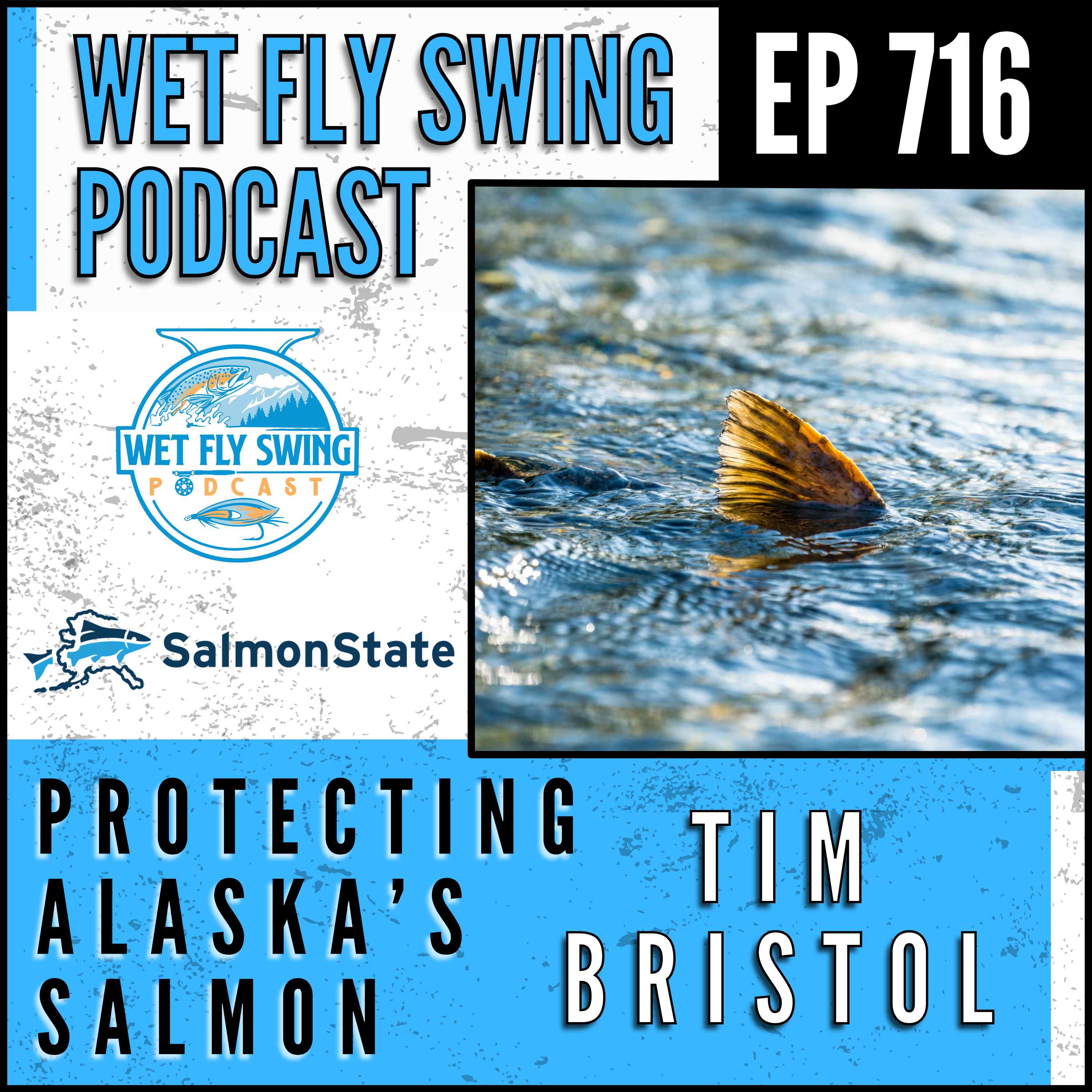
716 | Protecting Alaska's Salmon: Insights from Tim Bristol of SalmonState
from Wet Fly Swing Fly Fishing Podcast
#716 Show Notes: https://wetflyswing.com/716 Presented by: FishHound Expeditions In this episode, we're joined by Tim Bristol, the Executive Director of SalmonState, to discuss the urgent challenges and exciting successes in protecting Alaska's iconic salmon populations. With nearly three decades of experience in conservation, Tim offers valuable insights into the complexities of salmon recovery, from commercial fisheries to the influence of Indigenous communities. We dive into the surprising story behind Alaska's sockeye returns, the role of climate change, and how local efforts are making a difference. If you're passionate about salmon and sustainable conservation, this episode is for you! Tune in to learn what you can do to help ensure a future for these incredible fish. Episode Chapters with Tim Bristol on SalmonState 3:49 - Tim, who has been involved in conservation for 30 years, shares his journey into working with SalmonState, an organization dedicated to preserving Alaska's status as "the salmon state." 6:11 - We discuss the significance of salmon in Alaska as an indicator of ecosystem health. Tim highlights the vastness of the region, spanning from Ketchikan to the North Slope, and the importance of the Tongass National Forest, the largest national forest in the U.S., as a key salmon habitat. 12:37 - Tim discusses the current state of Chinook salmon in Alaska. He contrasts their decline with the resurgence of sockeye salmon, noting that while sockeye populations have flourished, Chinook salmon are facing severe challenges. These include restrictions on fishing in areas like the Kenai River and the Yukon River, where harvests have been completely banned for years. Factors contributing to this decline include food scarcity due to shifting ocean conditions and predation by marine mammals, such as killer whales, which are consuming millions of Chinooks annually. 21:55 - Tim outlines several key projects and initiatives his team is focusing on for the upcoming year. These include engaging with the Trump administration to push Canada to address issues around transboundary rivers, advocating for responsible forest management that prioritizes salmon, and pushing for legislative protections to preserve water quality and safeguard salmon habitats. Additionally, reducing bycatch from industrial trawlers remains a major priority. 27:38 - Tim one emerging issue which is hatchery fish production, with concerns that hatchery fish may compete with wild salmon for resources, particularly food. There's also the question of where these hatchery fish go after being released, as some may stray into wild systems, potentially disrupting those ecosystems. 29:25 - He highlights various ways listeners can get involved, such as following their organization's updates on social media and signing up for the weekly news roundup. Tim emphasizes the importance of supporting sustainable fishing by purchasing wild Alaska sockeye salmon. He also encourages visiting Alaska to support local economies and to be mindful of where to spend money. 31:57 - Tim discusses several ongoing issues related to salmon conservation. One key topic is the West Susitna River, the fourth largest salmon producer in Alaska, which is threatened by a proposed industrial access road. This road would be used to access a gold mine, with public funds supporting the project. The region is known for its massive smelt (hooligan) run, which is important to the local ecosystem. The road construction has sparked controversy, with concerns from sport fishing guides, local residents, and conservation groups like the Wild Salmon Center, who worry about the impact on the area's pristine fishing environment. Tim also explains the role of the Alaska Industrial Development and Export Authority (AIDEA), a state agency that funds large projects, which is involved in financing this road. 36:17 - I mention Tim's work on their website, an article entitled "My Turn". This piece was written in reaction to accusations that their organization is comprised of outsiders aiming to disrupt Alaska's development. Tim explains that half of their 13-member team, including himself, have deep roots in Alaska, with some being Alaska Native. They have backgrounds in commercial and sport fishing, illustrating their connection to the state. 37:22 - Tim mentions that their organization hosts weekly updates and a series called "Salmon Stories," profiling individuals with strong ties to salmon. These profiles include sport fishing guides, commercial fishermen, and Alaska Native elders. Although they've considered starting a podcast, they currently focus on video interviews and transcriptions shared through their "Salmon Stories." 39:59 - Tim highlights the robust conservation community in Alaska, particularly focusing on groups involved with salmon conservation and the intersection with fishing. Key organizations mentioned include the Susitna River Coalition and the Wild Salmon Center, which has a strong presence in Alaska under the leadership of Emily Anderson. 41:07 - Despite concerns about fish populations, Tim believes that wild-caught sockeye and coho are good choices for consumers, though he advises vigilance in ensuring that fish is responsibly sourced. 47:01 - Tim highlights how Alaska Native communities have long, uninterrupted histories in the region and emphasizes the importance of working with them. Over the past few decades, Tim notes, tribal governments have reemerged as key players in conservation, especially in protecting and restoring salmon habitats. They are now at the center of conservation discussions, and Tim believes that their involvement has significantly improved conservation efforts. Indigenous communities also offer a different perspective on timeframes, focusing on long-term sustainability, which is crucial for successful conservation. 52:43 - We talk about the unique aspects of Juneau, Alaska. Tim describes it as a self-contained town with a population of 30,000, accessible only by plane or ferry. Despite its size, it has various amenities, including a hospital, symphony, ice rink, and ski area. Show Notes: https://wetflyswing.com/716
Embed this episode
Ready to play
716 | Protecting Alaska's Salmon: Insights from Tim Bristol of SalmonState
No transcript for this episode yet
Similar Episodes
No similar episodes found.
Similar Podcasts
No similar podcasts found.