74. Unearthing History: 3D Modeling of Japanese-style Gardens in Incarceration Camps episode artwork

EPISODE · Nov 25, 2024 · 34 MIN

74. Unearthing History: 3D Modeling of Japanese-style Gardens in Incarceration Camps

from Inspiring People: Stories of Innovation and Service · host The Rotary eClub of Silicon Valley

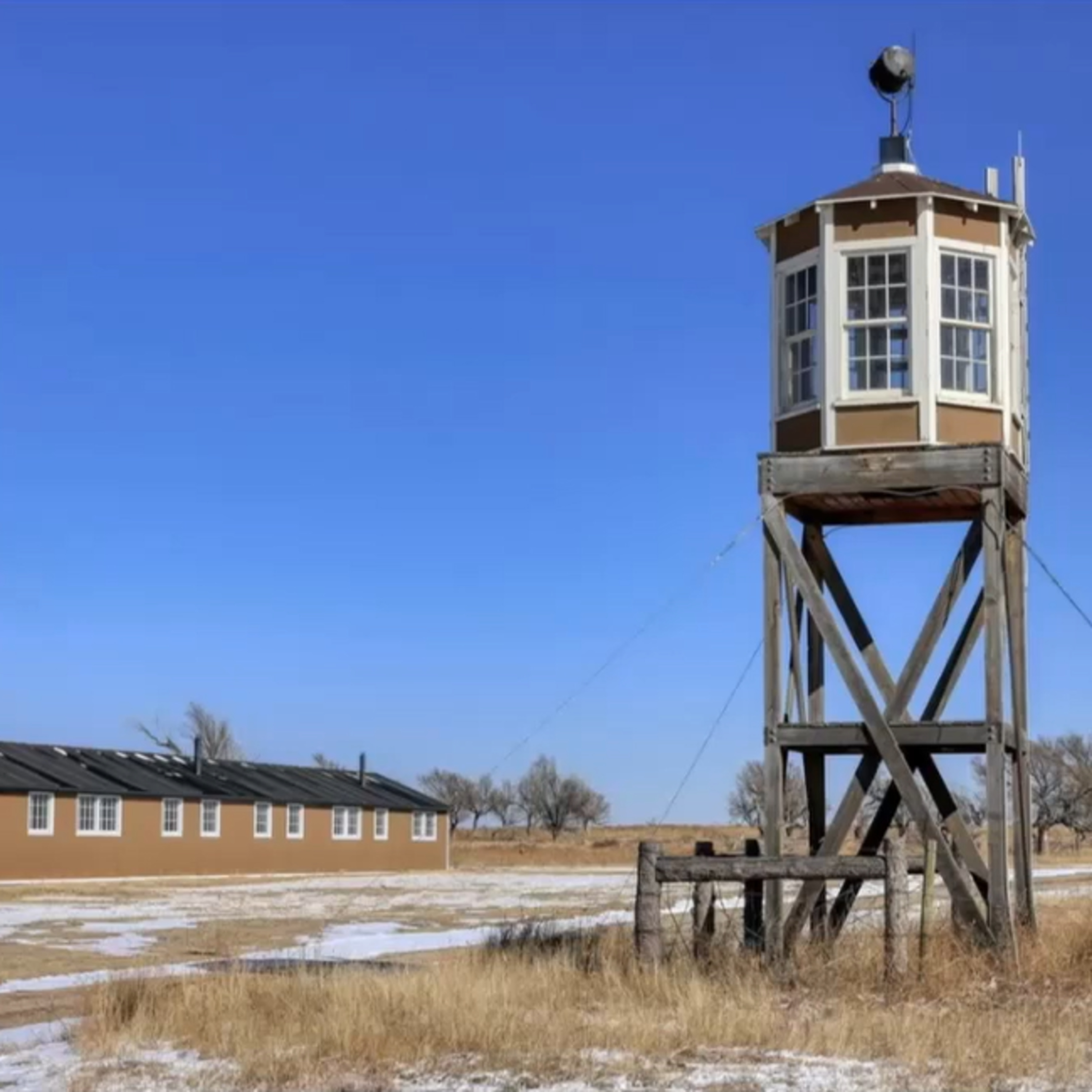
Following the outbreak of World War II, most Japanese and Japanese Americans were sent to one of ten incarceration (internment) camps, one of which was Amache, located in the High Plains of Colorado. Inmates there planted trees and created hundreds of gardens to improve the stark institutional landscape. This presentation focuses on two Japanese-style gardens created in the public spaces of the Amache incarceration camp, exploring the prospects and application of 3D modeling visualization for these gardens. The presentation was shared at the North American Japanese Garden Association conference in March 2024. Sayaka, a former Rotary Global Grant Scholar (2019-2022) hosted by the Eugene Metro Rotary Club, was from the Rotary Club of Oita Capital in District 2720, Japan. During her time in Oregon, she pursued a Master's degree in Landscape Architecture from the University of Oregon. Currently, Sayaka serves as a Landscape Designer at Pland Collaborative in Albuquerque, New Mexico, where she applies her expertise in landscape architecture. Sayaka holds Bachelor's and Master's degrees in Environmental Science from Nagasaki University and is currently pursuing a Doctoral degree remotely from the same institution, furthering her research and dedication to Japanese gardens in incarceration camps during WWII. To learn more, go to: An article titled "Exploration of the Value of Japanese-Style Gardens in Incarceration Camps During World War II: The Case of Amache, Colorado, U.S.," which incorporates the work shared in this presentation, was recently published in the International Journal of Heritage Studies. This article explores the significance of the Japanese-style gardens in the Amache incarceration camp, revealing the value and role these gardens played among Japanese detainees. https://www.tandfonline.com/doi/full/10.1080/13527258.2024.2369549

Following the outbreak of World War II, most Japanese and Japanese Americans were sent to one of ten incarceration (internment) camps, one of which was Amache, located in the High Plains of Colorado. Inmates there planted trees and created hundreds of gardens to improve the stark institutional landscape. This presentation focuses on two Japanese-style gardens created in the public spaces of the Amache incarceration camp, exploring the prospects and application of 3D modeling visualization for these gardens. The presentation was shared at the North American Japanese Garden Association conference in March 2024. Sayaka, a former Rotary Global Grant Scholar (2019-2022) hosted by the Eugene Metro Rotary Club, was from the Rotary Club of Oita Capital in District 2720, Japan. During her time in Oregon, she pursued a Master's degree in Landscape Architecture from the University of Oregon. Currently, Sayaka serves as a Landscape Designer at Pland Collaborative in Albuquerque, New Mexico, where she applies her expertise in landscape architecture. Sayaka holds Bachelor's and Master's degrees in Environmental Science from Nagasaki University and is currently pursuing a Doctoral degree remotely from the same institution, furthering her research and dedication to Japanese gardens in incarceration camps during WWII. To learn more, go to: An article titled "Exploration of the Value of Japanese-Style Gardens in Incarceration Camps During World War II: The Case of Amache, Colorado, U.S.," which incorporates the work shared in this presentation, was recently published in the International Journal of Heritage Studies. This article explores the significance of the Japanese-style gardens in the Amache incarceration camp, revealing the value and role these gardens played among Japanese detainees. https://www.tandfonline.com/doi/full/10.1080/13527258.2024.2369549

NOW PLAYING

74. Unearthing History: 3D Modeling of Japanese-style Gardens in Incarceration Camps

0:00 34:37

No transcript for this episode yet

We transcribe on demand. Request one and we'll notify you when it's ready — usually under 10 minutes.

Frequently Asked Questions

How long is this episode of Inspiring People: Stories of Innovation and Service?

This episode is 34 minutes long.

When was this Inspiring People: Stories of Innovation and Service episode published?

This episode was published on November 25, 2024.

What is this episode about?

Following the outbreak of World War II, most Japanese and Japanese Americans were sent to one of ten incarceration (internment) camps, one of which was Amache, located in the High Plains of Colorado. Inmates there planted trees and created hundreds...

Can I download this Inspiring People: Stories of Innovation and Service episode?

Yes, you can download this episode by clicking the download button on the episode player, or subscribe to the podcast in your preferred podcast app for automatic downloads.
URL copied to clipboard!