
EPISODE · Jun 6, 2023 · 40 MIN
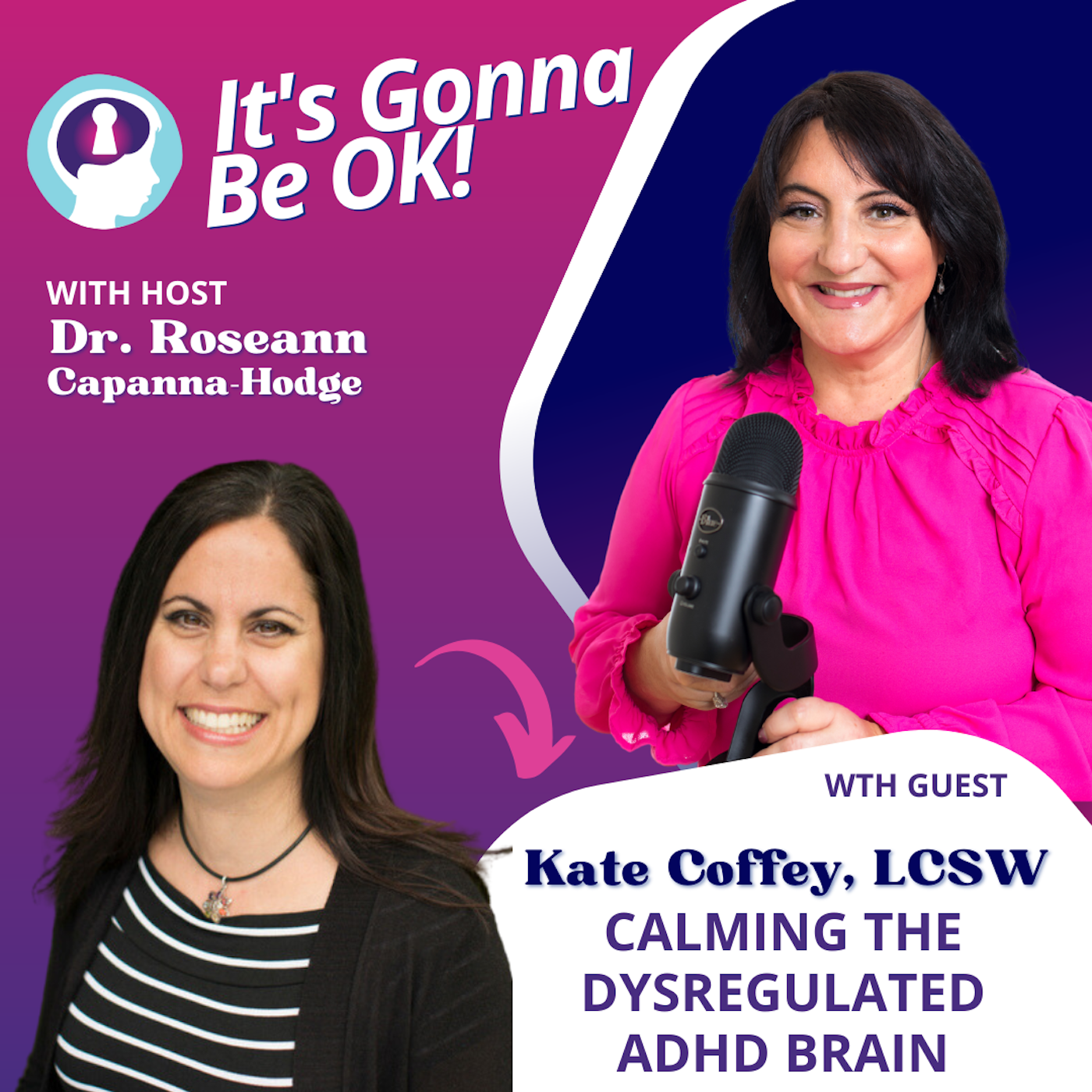
Calming the Dysregulated ADHD Brain with Kate Coffey, LCSW | Emotional Dysregulation in Children | E76
from Dysregulated Kids: Science-Backed Parenting Help for Behavior, Anxiety, ADHD and More
ADHD Dysregulation: Body-Based Tools That Help Kids Calm, Focus, and ThriveI know how exhausting it is when your bright, sensitive kid can’t pump the brakes.That’s why Dr. Roseann invited Kate Coffey, LCSW—one of the clinicians supporting dysregulated kids and families through body-based regulation strategies. Kate brings years of experience helping twice-exceptional (2e) kids, ADHD children, and overwhelmed families reconnect, regulate, and thrive through gentle nervous system work.In this episode, we explore practical tools for ADHD Dysregulation, emotional overload, and how somatic techniques help kids calm their brains and bodies.In this episode, you’ll learn:• what ADHD Dysregulation looks like in everyday life • how to tell the difference between typical behavior and Emotional Dysregulation in Children • body-based calming tools for meltdowns and overwhelm • how somatic techniques support Self-Regulation Skills for ChildrenWhat’s really happening in the brainKids with ADHD dysregulation often struggle to “hit the brakes.”Their nervous systems stay activated, making it difficult to: • transition between activities • tolerate frustration • start tasks • recover from stress • manage impulses and emotionsParent example: A child goes from calm to explosive during loud, chaotic mornings. Once the family added sensory breaks and quieter routines, mornings became more manageable.It’s not laziness or defiance—it’s a dysregulated brain.The reframe parents needBehavior is communication.Your child’s meltdowns, shutdowns, and explosive reactions are clues that their nervous system is overwhelmed—not signs of bad character.Even gifted and twice-exceptional kids can struggle deeply with regulation because high intelligence does not automatically equal emotional control.What you can do nextWhen your child is dysregulated: 👉 go body before wordsA dysregulated brain cannot process lectures or long explanations.Try: • grounding with feet flat and slow exhales • sensory pressure like a weighted pillow or firm hug • orienting exercises (“Find five calm things in the room.”) • short, simple language instead of over-talkingThese bottom-up nervous system supports help quiet the brain’s alarm system and improve Nervous System Regulation in Children.How somatic experiencing helps dysregulated kidsSomatic Experiencing® teaches kids to notice body sensations—not just emotions.Many dysregulated children cannot verbalize feelings yet, but they can learn to recognize physical stress signals.Over time, kids begin noticing: • “My chest feels tight.” • “My legs feel wiggly.” • “I need a break.”That awareness builds stronger Self-Regulation Skills for Children and helps reduce Meltdowns in Children over time.Supporting twice-exceptional (2e) kids2e kids often feel emotions intensely while struggling to regulate them.Helpful supports include: 👉 predictable micro-routines 👉 offering two calm choices 👉 movement and sensory resets 👉 modeling slow breathing and calm body languageIf you’ve been searching for How to Calm a Dysregulated Child, body-based regulation strategies are often the missing piece.Listen + Take the Next StepIf this episode helped you better understand your child’s nervous system, share it with another parent who needs support.Get your FREE Regulation Rescue Kit here: 👉 www.drroseann.com/newsletterDr. Roseann Capanna-Hodge helps parents understand Emotional Dysregulation in Children and teaches practical Nervous System Regulation in Children and Co-Regulation Techniques through her Regulation First Parenting™ approach.Mentioned in this episode:Get the School Accommodations Guide Today!Navigating the complicated world of school IEP programs and other services your child may be entitled to is not for the faint of heart. That's why I've put together the School Accommodations Guide to make it easy to find out exactly how to get your child the best help possible to make their education a success.School Accommodation Guide
Embed this episode
NOW PLAYING
Calming the Dysregulated ADHD Brain with Kate Coffey, LCSW | Emotional Dysregulation in Children | E76
No transcript for this episode yet
Similar Episodes
No similar episodes found.
Similar Podcasts
No similar podcasts found.