#78: Keith Mullett — Medtronic, pain, and the prehistory of modern DBS episode artwork

EPISODE · May 6, 2026 · 1H 27M

#78: Keith Mullett — Medtronic, pain, and the prehistory of modern DBS

from Stimulating Brains · host Andreas Horn

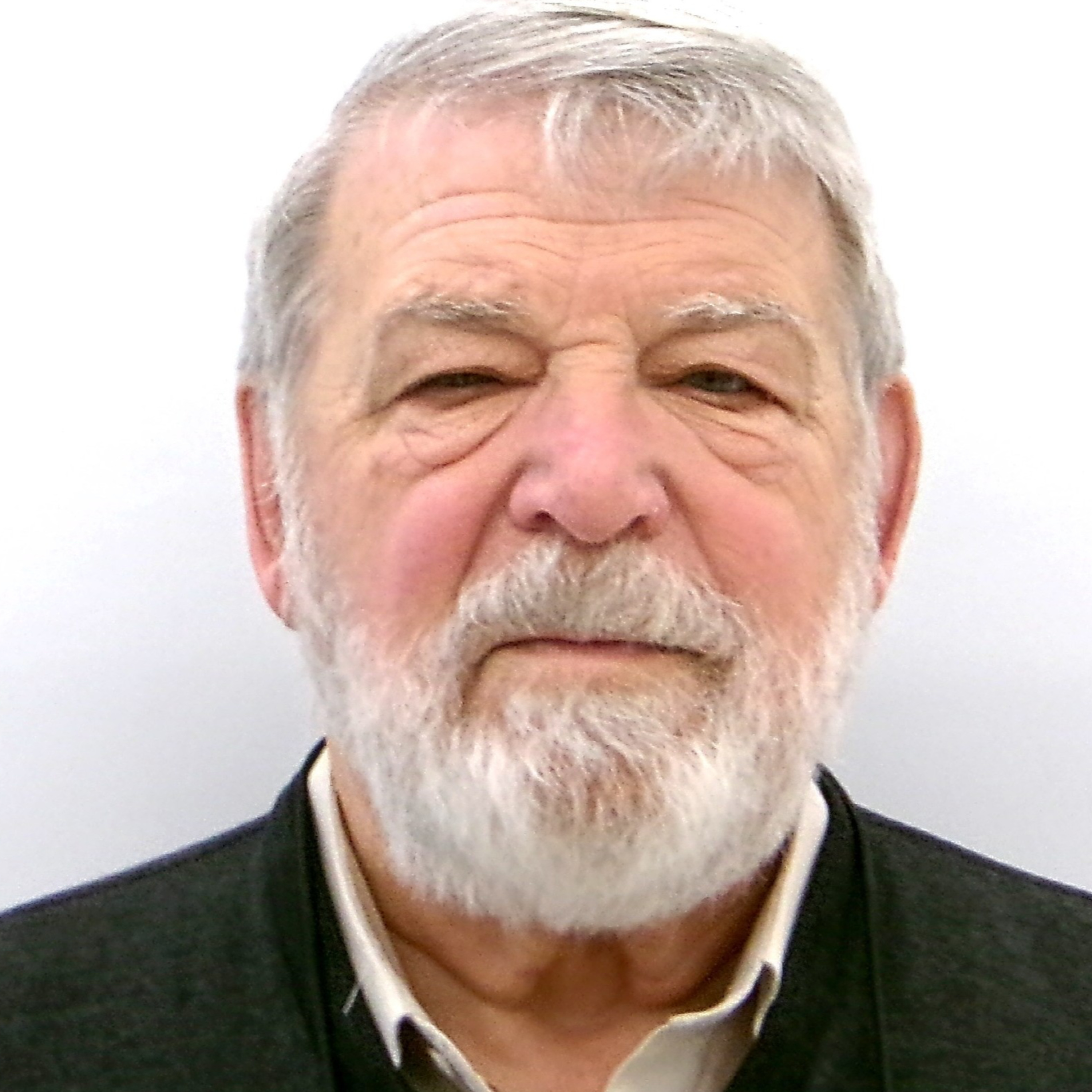
In this episode of Stimulating Brains, I speak with Keith R. Mullett, who can uniquely tell a part of the DBS history that is often skipped.We often begin the story of modern DBS in Grenoble around 1987, when Alim-Louis Benabid and colleagues showed that high-frequency VIM stimulation could suppress tremor. Keith reminds us that Medtronic's first DBS system had already been implanted in 1969, not for tremor or Parkinson's disease, but for severe chronic pain. Keith joined Medtronic in May 1972 and spent 37 years there, first in Minneapolis and later at the Bakken Research Center in Maastricht, where he arrived shortly after Frans Gielen.The conversation goes back before the Benabid era, into the period when Medtronic and its physician collaborators built the devices, surgical know-how, clinical relationships, and regulatory experience that later made DBS for movement disorders possible. We discuss Yoshio Hosobuchi and the first pain implants, RF systems with belt-worn transmitters, the transition from cardiac pacing to neurostimulation, the FDA call for data, ITREL, the Bakken Research Center, and the 1992 tremor study: the moment Keith describes as "the rest is history."This episode also connects to our recent conversations with Todd Langevin (episode 46) and Frans Gielen (episode 75). Todd described the internal venturing and business side of DBS after Benabid, while Frans described the engineering, clinical studies, training, imaging, and new indications that followed. Keith, who was Frans' boss, helps us ask what had to exist inside Medtronic before those later teams could build the modern field.

In this episode of Stimulating Brains, I speak with Keith R. Mullett, who can uniquely tell a part of the DBS history that is often skipped.We often begin the story of modern DBS in Grenoble around 1987, when Alim-Louis Benabid and colleagues showed that high-frequency VIM stimulation could suppress tremor. Keith reminds us that Medtronic's first DBS system had already been implanted in 1969, not for tremor or Parkinson's disease, but for severe chronic pain. Keith joined Medtronic in May 1972 and spent 37 years there, first in Minneapolis and later at the Bakken Research Center in Maastricht, where he arrived shortly after Frans Gielen.The conversation goes back before the Benabid era, into the period when Medtronic and its physician collaborators built the devices, surgical know-how, clinical relationships, and regulatory experience that later made DBS for movement disorders possible. We discuss Yoshio Hosobuchi and the first pain implants, RF systems with belt-worn transmitters, the transition from cardiac pacing to neurostimulation, the FDA call for data, ITREL, the Bakken Research Center, and the 1992 tremor study: the moment Keith describes as "the rest is history."This episode also connects to our recent conversations with Todd Langevin (episode 46) and Frans Gielen (episode 75). Todd described the internal venturing and business side of DBS after Benabid, while Frans described the engineering, clinical studies, training, imaging, and new indications that followed. Keith, who was Frans' boss, helps us ask what had to exist inside Medtronic before those later teams could build the modern field.

NOW PLAYING

#78: Keith Mullett — Medtronic, pain, and the prehistory of modern DBS

0:00 1:27:40

No transcript for this episode yet

We transcribe on demand. Request one and we'll notify you when it's ready — usually under 10 minutes.

Well & Good with Art Green Roar Collective Well & Good is a meeting place where listeners can pick the brains of some of the world’s leading health and wellbeing authorities. Hosted by wellbeing advocate Art Green, we talk with a broad range of experts to learn wellness techniques in all different aspects of this fast-developing space. Exceptional guests break down scientific breakthroughs, lived experience and the latest research into relatable, actionable tips, arming listeners with the tools and knowledge to reach their health potential. P1_TheOctopus🐙 | Secrets of the Octopus 🌊✨ 🦑 Are they aliens from another world🌎🔬 Bluewater Host Dive deep into the mystery, magic, and intelligence of one of the ocean’s most fascinating creatures — the octopus! 🐙🌊Welcome to "Tentacles & Tales", a podcast where science meets storytelling, and the weird and wonderful world of octopuses comes to life. Whether you're a marine biologist, a nature enthusiast, or just curious about the eight-armed enigma of the sea — you're in the right place!🧠 Did you know that octopuses have nine brains, three hearts, and blue blood? That they can open jars, mimic other sea creatures, and vanish in a cloud of ink like an underwater ninja? This show explores the science, behavior, biology, and myth surrounding octopuses in a way that's fun, insightful, and wildly entertaining.✨ Each episode features:🐙 In-depth stories about different octopus species (from the Giant Pacific to the tiny Blue-Ringed)🔬 Interviews with scientists, divers, and ocean experts📜 Legends and folklore from cultures around the world🎨 Art, books, and movies inspired by octop light old radio maoshibo Pat Novak for Hire:Classic old time radio showing starring Jack Webb (1946, 1949) and Ben Morris (1947-48) as Pat Novak, a street wise guy who rents boats and anything else a good man pays a bad one to do.The Green Hornet:Classified as a juvenile crime drama but written and acted with more adult style than most of the breed, "The Green Hornet"---whose protagonist fought crime by infiltrating or even partnering (initially) with known criminal operations, which deceive police into believing him a wanted criminal himself---was the creation of George W. Trendle and Fran Striker, the brains and head writer behind "The Lone Ranger" (whose protagonist, according to storyline, was the great-uncle of Britt Reid, the heir who assumed control of the Daily Sentinel newspaper publisher and takes the crimefighting guise of the Green Hornet).Perry Mason:Perry Mason was a 15-minute show (including commercials, etc.) that aired five times a week. It ran from October 1943 to December 1955. S Death By DVD Death By DVD Death By DVD: When watching is never enough.We here at Death By DVD sit painfully through hours and hours of movies so you, the public, can make an informed decision of what you put in your ear holes and eye holes. Some of these films are good, some bad, and some even unmentionable; but ALL have one thing in common :Watching all of these movies will one day melt our brains into a sloppy wet mush. No need to thank us, we were already methodically destroying ourselves with cinema. At least this way there is a permanent record of our demise.As the midnight hour approaches, the smoke sets heavy, and the booze begins to flow like blood; tune in and drop through hell with your host Harry Scott Sullivan featuring horror artist I.Alexander Nash as we take you on a journey through the worlds of horror, gore, cult, strange, slashers, psychotronic, trash, twisted, gornography, weird, drive-in, cheesy, lost, rare, and frightening films. Join us and listen as lives collapse upon themselves

Frequently Asked Questions

How long is this episode of Stimulating Brains?

This episode is 1 hour and 27 minutes long.

When was this Stimulating Brains episode published?

This episode was published on May 6, 2026.

What is this episode about?

In this episode of Stimulating Brains, I speak with Keith R. Mullett, who can uniquely tell a part of the DBS history that is often skipped.We often begin the story of modern DBS in Grenoble around 1987, when Alim-Louis Benabid and colleagues showed...

Can I download this Stimulating Brains episode?

Yes, you can download this episode by clicking the download button on the episode player, or subscribe to the podcast in your preferred podcast app for automatic downloads.
URL copied to clipboard!