
EPISODE · Apr 14, 2026 · 23 MIN
793-Hypoxia-TAM Dynamics in Glioblastoma
from Paper Talk
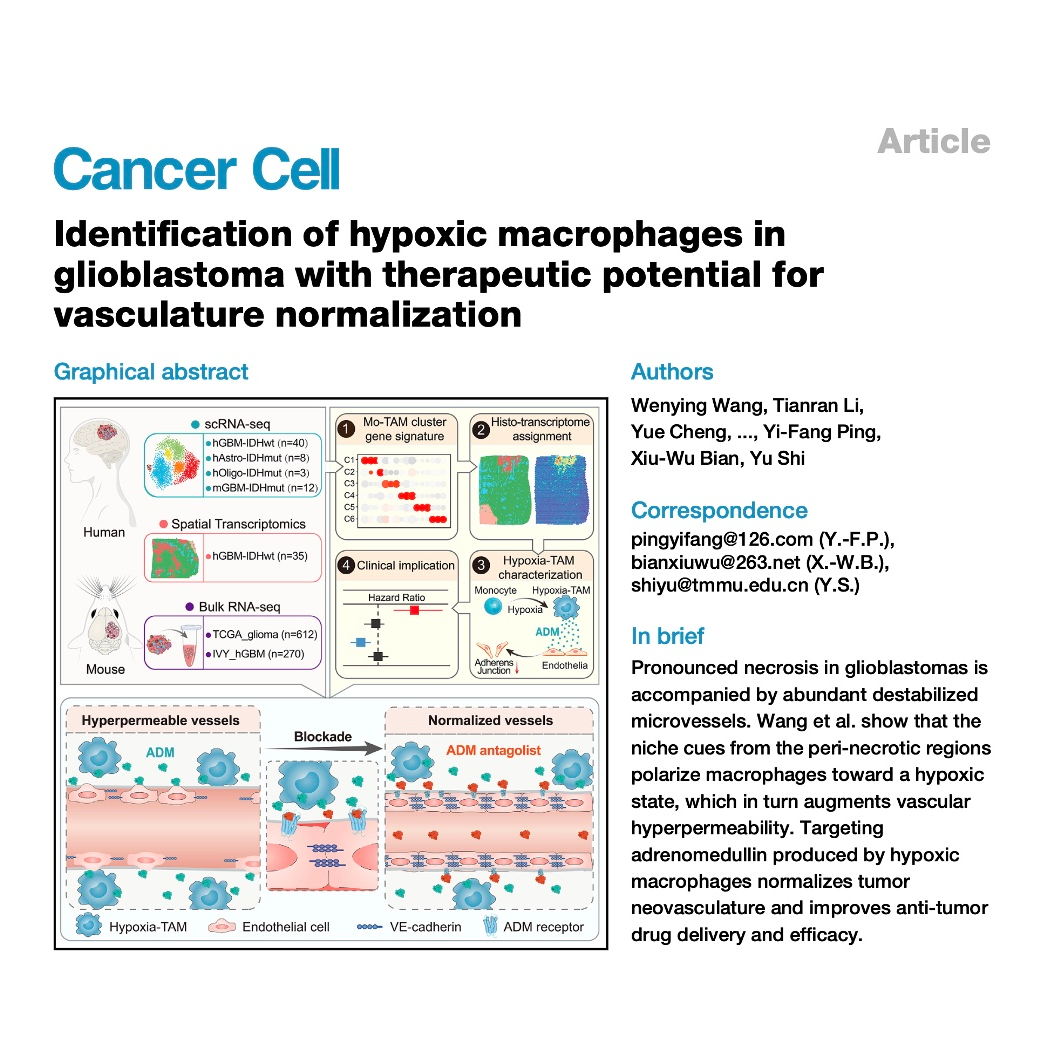
This research identifies a specialized group of monocyte-derived tumor-associated macrophages (Mo-TAMs), termed Hypoxia-TAMs, which congregate in the necrotic regions of glioblastoma. Using single-cell transcriptomics and spatial analysis, the authors discovered that these cells are reprogrammed by the tumor's oxygen-depleted environment to secrete adrenomedullin (ADM). This protein destabilizes vascular integrity by disrupting endothelial junctions, resulting in leaky blood vessels that prevent effective drug delivery. The study demonstrates that using an ADM antagonist can normalize tumor vasculature and significantly enhance the concentration and efficacy of anti-cancer treatments like dabrafenib. Consequently, the presence of these specific macrophages serves as a prognostic indicator for poor patient outcomes and vascular hyperpermeability. Targeting this paracrine signaling pathway offers a promising therapeutic strategy to improve the management of aggressive brain tumors.References: Wang W, Li T, Cheng Y, et al. Identification of hypoxic macrophages in glioblastoma with therapeutic potential for vasculature normalization[J]. Cancer cell, 2024, 42(5): 815-832. e12.前往小宇宙评论区与主播互动
Embed this episode
Ready to play
793-Hypoxia-TAM Dynamics in Glioblastoma
No transcript for this episode yet
Similar Episodes
No similar episodes found.
Similar Podcasts
No similar podcasts found.