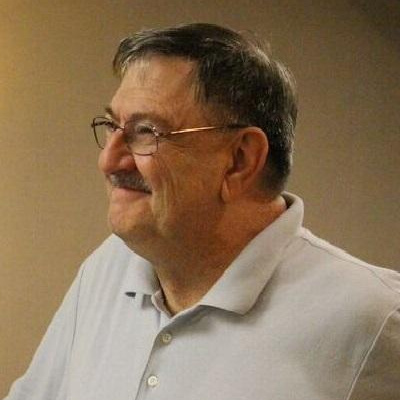
#8--Gerald Nosich
from Controversy & Clarity Hosted by Damien O'Connell
In this episode, we discuss: *What is critical thinking and isn’t *Some of the most common misconceptions of critical thinking *The relationship between critical and creative thinking *How critical thinking relates to divergent and convergent thinking *The relationship between critical thinking, logic, and problem solving *Gerald’s take on the Dunning-Kruger Effect and whether critical thinking can serve as an antidote to it *Whether some people seem more predisposed to thinking critically than others *If there are ways we can predispose young men and women to think critically *Gerald’s thoughts on the relationship between critical thinking and Socratic questioning *His first encounter with the concept of critical thinking *How to support people interested in thinking critically but are not yet ready to adopt it fully *How Gerald’s conception of critical thinking has changed over the years *The Paul-Elder model of critical thinking and why Gerald thinks it's useful *Why all the elements of reasoning are equal *The differences between assumptions and inferences (conclusions) and examples of each *Concepts *Some potential neglected areas of the Paul-Elder model *The SEE-I method *Gerald’s preferred methods for introducing adult students and educators to critical thinking *How critical thinking applies to military matters *What critical thinking looks like in action—especially in high stakes situations *Some of the unique challenges to thinking critically in the military *The role of time in critical thinking *The tension between the questioning and investigative nature of critical thinking and the military’s desire for its members to show "instant and willing obedience to orders” *The idea that critical thinking is inherently subversive in an organization like the military *Situations where critical thinking may not be preferable or desirable *How we can apply critical thinking to understanding America's disastrous withdrawal from Afghanistan *Gerald’s thoughts on the use of chess to promote critical thinking *What he tells people who are turned off by the major time commitment and effort it takes to become skilled in critical thinking *How we can measure critical thinking *What fundamental and powerful concepts (FPCs) are and how they apply to military schooling and training *How one goes about determining what the FPCs of a domain or discipline are *How one might measure a student’s grasp or application of a course’s FPCs *Gerald’s personal practices of addressing blind spots, knowledge gaps, and biases (cognitive or otherwise) *His thoughts on Daniel Kahneman’s System 1 and System 2 thinking *How critical thinking applies to highly technical fields *The thorny topic of role models for critical thinking *Gerald’s wish to see a guide on thinking critically in a military context *The role of emotion in critical thinking *Gerald’s new book Links The Foundation for Critical Thinking: www.criticalthinking.org The Standards and Elements of Critical Thinking: https://www.criticalthinking.org/ctmodel/logic-model.php Learning to Think Things Through: A Guide to Critical Thinking Across the Curriculum by Gerald Nosich Critical Writing: A Guide to Writing a Paper Using the Concepts and Processes of Critical Thinking by Gerald Nosich
Embed this episode
No transcript yet.