
EPISODE · Apr 20, 2026 · 17 MIN
822-Pathological Barriers to In Vivo Cardiac Reprogramming
from Paper Talk
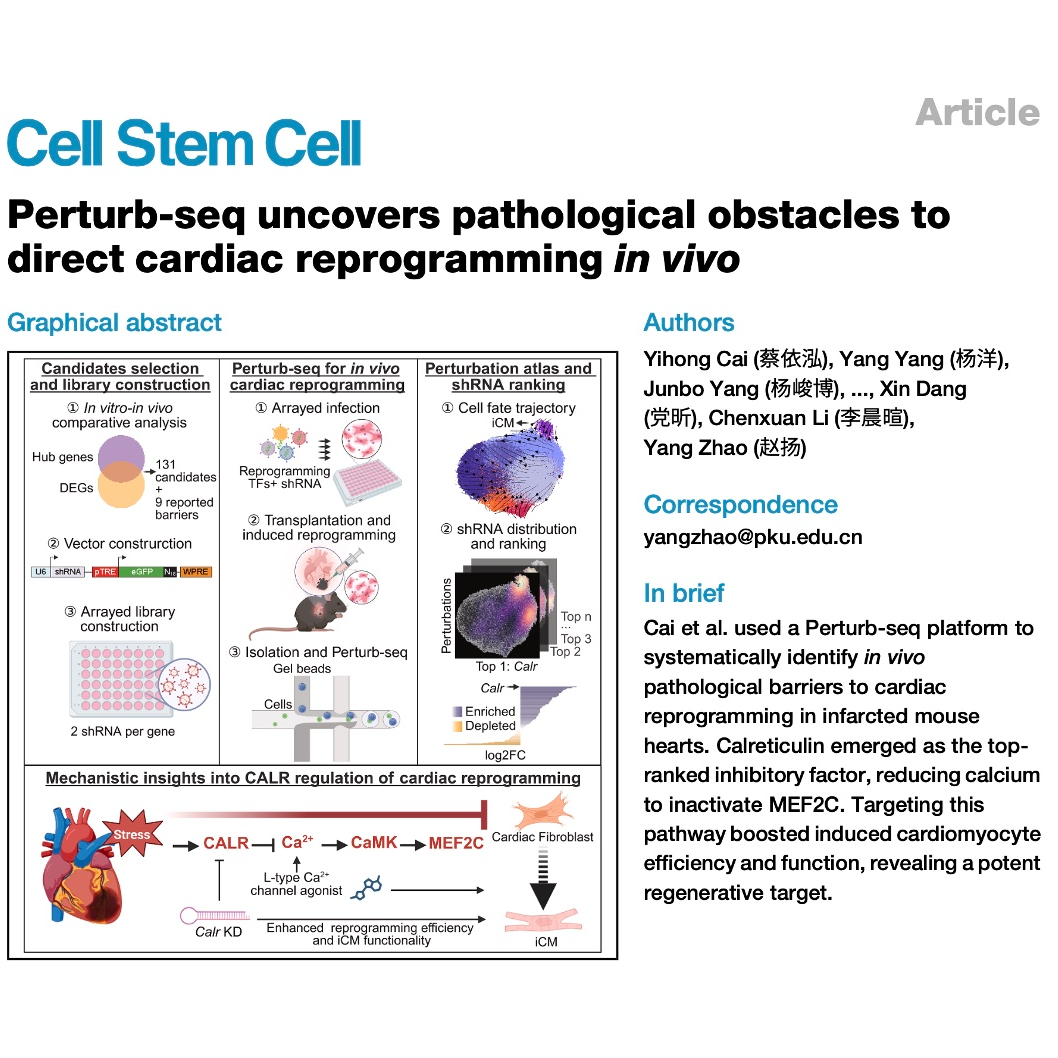
Researchers have developed a Perturb-seq platform to systematically identify and rank genetic barriers that prevent the conversion of fibroblasts into functional heart muscle cells following a heart attack. By screening 140 potential inhibitors in a living mouse model, the study pinpointed calreticulin (Calr) as the primary obstacle to successful cardiac regeneration. High levels of this protein in damaged heart tissue suppress calcium signaling, which in turn keeps a vital regenerative gene called MEF2C inactive. The team demonstrated that silencing Calr restores calcium levels and significantly boosts the efficiency and maturity of newly formed cardiomyocytes in both mouse and human cell models. These findings suggest that targeting the Calr-calcium-MEF2C pathway can improve heart repair, reduce scarring, and restore essential pumping functions. This work provides a strategic framework for using single-cell genetic screening to overcome the complex pathological environment of the injured heart.References: Cai Y, Yang Y, Yang J, et al. Perturb-seq uncovers pathological obstacles to direct cardiac reprogramming in vivo[J]. Cell Stem Cell, 2026.前往小宇宙评论区与主播互动
Embed this episode
Ready to play
822-Pathological Barriers to In Vivo Cardiac Reprogramming
No transcript for this episode yet
Similar Episodes
No similar episodes found.
Similar Podcasts
No similar podcasts found.