85. Solving Maternal Mortality with Language, Culture, and Smartphones episode artwork

EPISODE · Feb 10, 2025 · 28 MIN

85. Solving Maternal Mortality with Language, Culture, and Smartphones

from Inspiring People: Stories of Innovation and Service · host The Rotary eClub of Silicon Valley

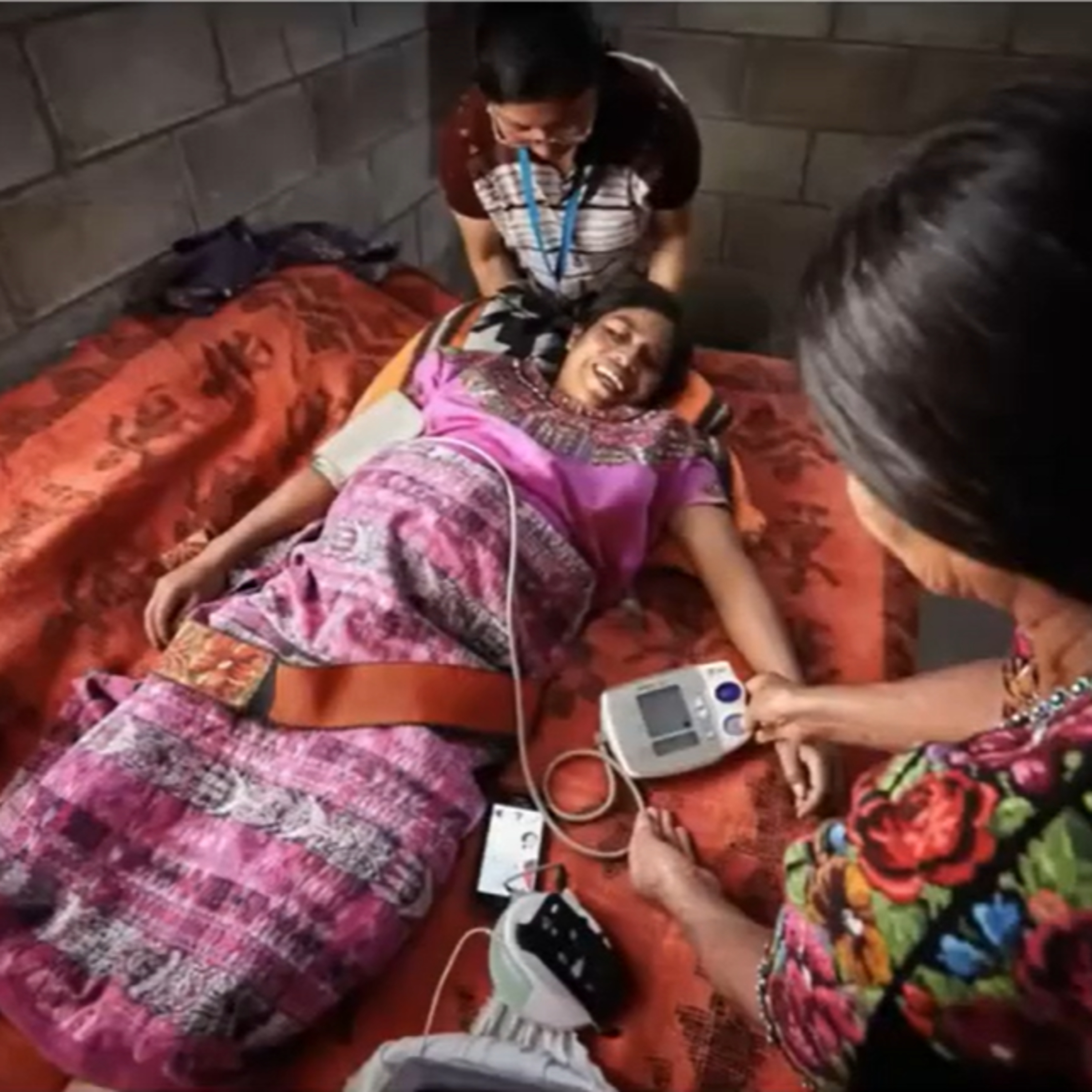
⁠In the mountains of Guatemala, many indigenous women prefer to give birth at home with a midwife who speaks their language and understands them. Yet, sometimes, high risk complications occur.How can we lower maternal mortality that is 16 times higher than the United States when women live hours from the hospital and do not speak the language of the doctors?Wuqu’ Kawoq | Maya Health Alliance is eliminating avoidable maternal and neonatal deaths by repairing the disconnects that prevent mothers from receiving timely hospital care.Video showing our maternal-infant health app in action: https://vimeo.com/824788956⁠⁠The Mobile Maternal Health Program equips indigenous midwives in the highlands of Guatemala with a checklist-based smartphone application to detect high-risk complications early and provides Maya care navigators to accompany mothers when hospital services are required. Midwives get the tools and clinical support they need to make timely referrals and mothers benefit from the security of having a knowledgeable advocate who speaks her language by her side. This solution, from the phone app to the navigation strategies, was co-designed and continues to be run by the communities it serves: indigenous Guatemalan women.Since the Program began as a pilot in 2016, successful hospital referrals among the approximately 800 births attended annually by participating midwives have increased by more than 50% and maternal deaths in the pilot region have dropped from 8 a year to 0-2 a year.Wuqu' Kawoq is a community-led organization created in 2007 to transform healthcare and foster health equity in rural Guatemala. As one of the only organizations in Guatemala providing comprehensive healthcare in indigenous Mayan languages, it serves more than 11,000 patients in over 35,000 visits annually in seven languages. More than 80% of the staff is indigenous, 85% are women and 95% are Guatemalan.Our speaker, Anne Kraemer, is an anthropologist and a co-founder of Maya Health Alliance | Wuqu’ Kawoq, an organization created in 2007 to transform health in rural Guatemala.She has served as Executive Director/Chief Executive Officer since 2009. Her passion is amplifying the voices of women and girls to foster community-driven, high-impact, culturally and linguistically appropriate programs that promote health and reproductive rights in underserved indigenous Maya communities.Anne trained as a cultural anthropologist at the University of Kansas, where she received her master’s degree and completed doctoral coursework. She received a Fulbright scholarship in 2007. Anne lives in Guatemala with her daughters. She speaks Kaqchikel and Spanish.To learn more:https://www.mayahealth.orgThe research page: https://www.mayahealth.org/research/Maternal-infant health page: https://www.mayahealth.org/maternal-health/Video showing our maternal-infant health app in action: https://vimeo.com/824788956

⁠In the mountains of Guatemala, many indigenous women prefer to give birth at home with a midwife who speaks their language and understands them. Yet, sometimes, high risk complications occur.How can we lower maternal mortality that is 16 times higher than the United States when women live hours from the hospital and do not speak the language of the doctors?Wuqu’ Kawoq | Maya Health Alliance is eliminating avoidable maternal and neonatal deaths by repairing the disconnects that prevent mothers from receiving timely hospital care.Video showing our maternal-infant health app in action: https://vimeo.com/824788956⁠⁠The Mobile Maternal Health Program equips indigenous midwives in the highlands of Guatemala with a checklist-based smartphone application to detect high-risk complications early and provides Maya care navigators to accompany mothers when hospital services are required. Midwives get the tools and clinical support they need to make timely referrals and mothers benefit from the security of having a knowledgeable advocate who speaks her language by her side. This solution, from the phone app to the navigation strategies, was co-designed and continues to be run by the communities it serves: indigenous Guatemalan women.Since the Program began as a pilot in 2016, successful hospital referrals among the approximately 800 births attended annually by participating midwives have increased by more than 50% and maternal deaths in the pilot region have dropped from 8 a year to 0-2 a year.Wuqu' Kawoq is a community-led organization created in 2007 to transform healthcare and foster health equity in rural Guatemala. As one of the only organizations in Guatemala providing comprehensive healthcare in indigenous Mayan languages, it serves more than 11,000 patients in over 35,000 visits annually in seven languages. More than 80% of the staff is indigenous, 85% are women and 95% are Guatemalan.Our speaker, Anne Kraemer, is an anthropologist and a co-founder of Maya Health Alliance | Wuqu’ Kawoq, an organization created in 2007 to transform health in rural Guatemala.She has served as Executive Director/Chief Executive Officer since 2009. Her passion is amplifying the voices of women and girls to foster community-driven, high-impact, culturally and linguistically appropriate programs that promote health and reproductive rights in underserved indigenous Maya communities.Anne trained as a cultural anthropologist at the University of Kansas, where she received her master’s degree and completed doctoral coursework. She received a Fulbright scholarship in 2007. Anne lives in Guatemala with her daughters. She speaks Kaqchikel and Spanish.To learn more:https://www.mayahealth.orgThe research page: https://www.mayahealth.org/research/Maternal-infant health page: https://www.mayahealth.org/maternal-health/Video showing our maternal-infant health app in action: https://vimeo.com/824788956

NOW PLAYING

85. Solving Maternal Mortality with Language, Culture, and Smartphones

0:00 28:24

No transcript for this episode yet

We transcribe on demand. Request one and we'll notify you when it's ready — usually under 10 minutes.

Frequently Asked Questions

How long is this episode of Inspiring People: Stories of Innovation and Service?

This episode is 28 minutes long.

When was this Inspiring People: Stories of Innovation and Service episode published?

This episode was published on February 10, 2025.

What is this episode about?

⁠In the mountains of Guatemala, many indigenous women prefer to give birth at home with a midwife who speaks their language and understands them. Yet, sometimes, high risk complications occur.How can we lower maternal mortality that is 16 times...

Can I download this Inspiring People: Stories of Innovation and Service episode?

Yes, you can download this episode by clicking the download button on the episode player, or subscribe to the podcast in your preferred podcast app for automatic downloads.
URL copied to clipboard!