
EPISODE · Jun 11, 2026 · 45 MIN
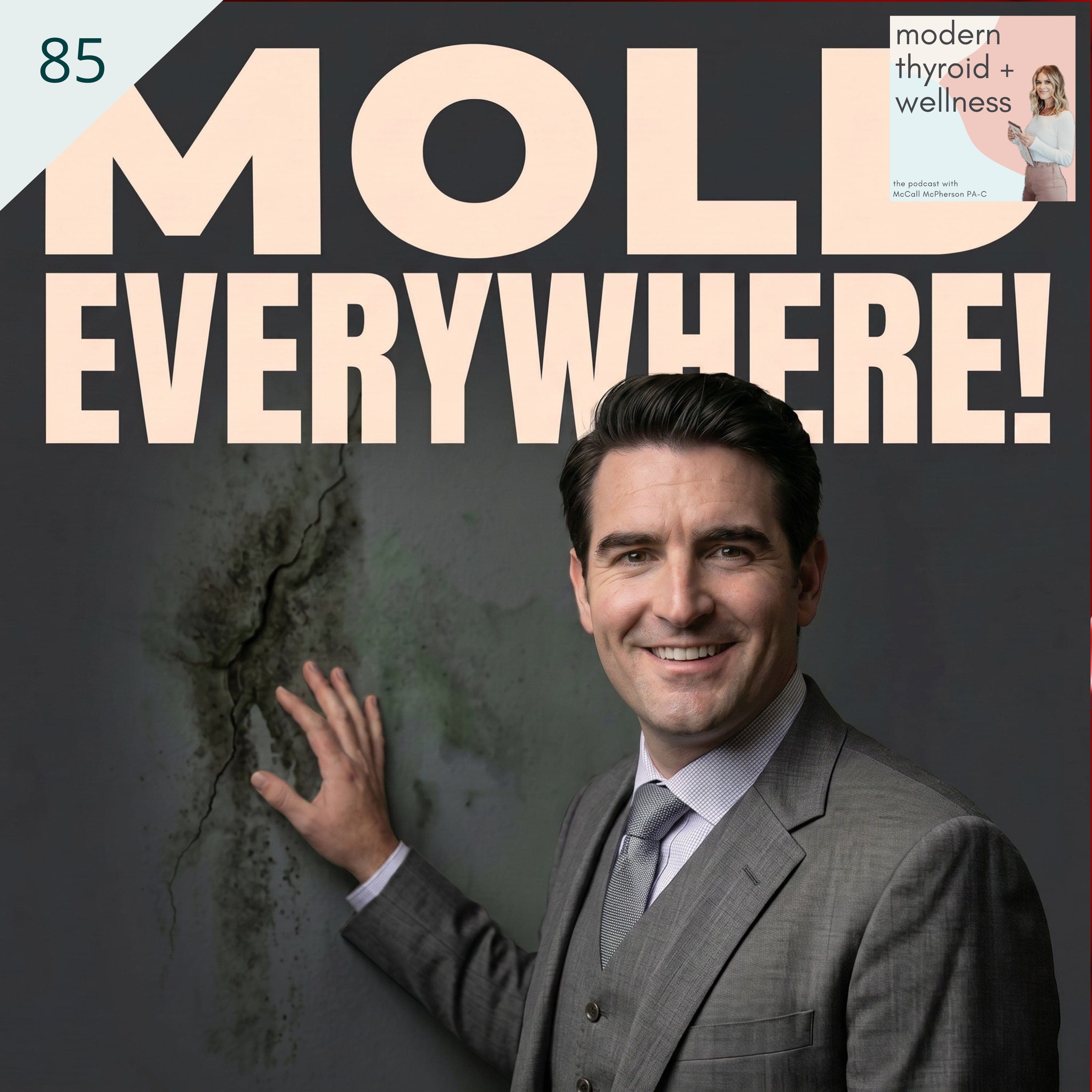
85: Your Home Could Be Making You Sick – The Hidden Mold Exposure Keeping You Tired, Inflamed, and Stuck with Dr. Philip Oubre
from Modern Thyroid and Wellness
What if the reason you're still struggling with fatigue, brain fog, inflammation, gut issues, or hormone imbalances isn't because your treatment isn't working—but because you're being exposed to mold every single day?In this episode of Modern Thyroid and Wellness, McCall McPherson sits down with Philip Oubre to explore one of the most overlooked drivers of chronic illness: mold exposure. Drawing from years of clinical experience treating complex chronic conditions, Dr. Oubre explains why mold is often missed, how it disrupts nearly every system in the body, and why many patients continue struggling despite doing "all the right things."Together, they discuss mold's impact on thyroid health, gut function, hormones, brain health, autoimmune conditions, and chronic inflammation. Dr. Oubre also shares practical guidance on identifying mold exposure, testing your home, understanding common symptoms, and supporting recovery through a gut-first treatment approach.If you've been told your labs are normal but still don't feel like yourself, this conversation may help uncover a missing piece of the puzzle. 🔑 Key Topics CoveredWhy mold is one of the most overlooked causes of chronic illnessThe connection between mold exposure and persistent thyroid symptomsCommon mold symptoms including brain fog, fatigue, eczema, and hormone dysfunctionWhy many mold-related illnesses go undiagnosed for yearsThe concept of "ongoing toxic exposure" and why some patients never fully improveWhy mold doesn't always have a musty smellThe surprising mold story hidden inside Dr. Oubre's own homeHow newer homes can sometimes be riskier than older homesThe impact of mold on the nervous system, hormones, mitochondria, and immune functionMold's relationship with gut dysfunction, microbiome imbalance, and nutrient deficienciesHow mold can contribute to autoimmune conditions and chronic inflammationThe role of black mold in neurological symptomsUnderstanding the VCS (Visual Contrast Sensitivity) testWhy home testing is often more important than testing the personHow the ERMI dust test works and why it can reveal hidden mold exposureWhy mold inspectors may miss hidden mold behind wallsThe relationship between mold, children, ADHD, and neurological symptomsA gut-first approach to mold recoveryWhy rebuilding the microbiome is critical for healingCommon mistakes people make when trying to detox moldWhat realistic recovery from mold exposure looks like🏠 Mold Is Often the Missing PieceOne of the most powerful insights from this conversation is that mold can affect nearly every system in the body, creating symptoms that often seem unrelated.Dr. Oubre explains that many of the patients who eventually discover mold exposure have already seen multiple doctors and completed extensive testing without finding answers.Common symptoms include:Brain fogChronic fatigueMemory issuesHormone imbalancesThyroid dysfunctionDigestive problemsSkin conditionsNeurological symptomsAutoimmune issuesBecause mold affects so many biological systems simultaneously, it can be difficult to recognize unless providers specifically know what to look for.🦋 Mold and Thyroid HealthFor thyroid patients, mold can become a major obstacle to recovery.Dr. Oubre explains that mold has the ability to disrupt:Thyroid functionHormonal balanceBrain healthImmune regulationMitochondrial functionThis is one reason some patients continue struggling despite optimized thyroid treatment.Even when:Thyroid medication is adjustedNutrients are addressedHormones are balancedPatients may still feel unwell if they remain exposed to mold in their environment.🧠 Why Mold Often Causes Brain Fog and FatigueAccording to Dr. Oubre, the most common symptoms he sees are:👉 Brain fog 👉 Fatigue that feels out of proportionPatients frequently describe:ForgetfulnessDifficulty concentratingMental sluggishnessReduced staminaLoss of motivationThese symptoms often appear gradually, making them easy to dismiss as aging, stress, or burnout.However, Dr. Oubre emphasizes that severe changes in energy and cognition should always prompt deeper investigation.🏡 Why New Homes Are Not Always SaferOne of the most surprising parts of the discussion involves newer homes.Many people assume:👉 New house = no moldUnfortunately, that isn't always true.Modern homes are often:Highly sealedEnergy efficientLess ventilatedWhile these features reduce energy costs, they can also allow mold toxins to become concentrated indoors.Dr. Oubre explains that older homes often "breathe" more naturally, while newer homes may trap contaminants inside for extended periods.👃 Mold Doesn't Always SmellA major misconception discussed during the episode:👉 Mold does not always smell musty.In fact, many significant mold problems remain completely odorless.Dr. Oubre shares the story of hidden mold behind a window in his own home that remained undetected for years despite extensive investigations.The lesson:You cannot rely on smell alone to determine whether mold is present.🦠 The Gut ConnectionOne of the most fascinating aspects of the conversation centers on mold's impact on gut health.Dr. Oubre describes mold as a major disruptor of the microbiome.Potential consequences include:Digestive dysfunctionBloatingFood sensitivitiesNutrient deficienciesDysbiosisChronic inflammationHe explains that mold exposure often creates an environment where harmful microbes thrive while beneficial bacteria decline.Over time, this can contribute to:Sugar cravingsPoor digestionReduced nutrient absorptionOngoing health challenges👀 The VCS Test: A Simple Screening ToolOne low-cost tool discussed during the episode is the Visual Contrast Sensitivity (VCS) Test.The test evaluates how well the eyes distinguish subtle differences in contrast.Because mold can disrupt mitochondrial function and nervous system performance, some individuals with mold exposure demonstrate measurable changes on this assessment.Dr. Oubre describes it as an affordable screening option that may help identify people who should investigate mold exposure further.🏠 Why Home Testing MattersOne of Dr. Oubre's strongest recommendations:👉 Test the home first.Rather than focusing solely on mold testing for the person, he believes identifying environmental exposure is often more valuable.His preferred method is an ERMI-style dust test that analyzes household dust for mold DNA.This approach can help identify:Hidden moldWater damageOngoing exposureAreas requiring remediationThe goal is not to achieve a completely mold-free environment, but rather to create a healthy space where the body can recover.🌱 Why Gut Healing Comes Before DetoxOne of the most important treatment insights shared in this episode is that mold recovery is not primarily about detoxification.According to Dr. Oubre:👉 The gut must be rebuilt first.He explains that many people focus immediately on:Detox protocolsBindersMold toxin removalWhile these tools can be helpful, true recovery requires:Restoring digestionSupporting the microbiomeImproving nutrient absorptionRebuilding the body's natural detox pathwaysWhen the gut improves, the body's own detoxification systems become much more effective.🌟 Final TakeawayMold exposure is often invisible, difficult to detect, and frequently overlooked.Yet it can profoundly impact:Thyroid healthHormonesGut functionEnergyBrain healthImmune regulationOverall wellbeingAs Dr. Oubre explains throughout this conversation, many people continue searching for answers because they're treating symptoms without addressing an ongoing environmental exposure.If you've been doing everything right but still don't feel better, it may be worth asking a simple question:👉 Could your environment be part of the problem?👤 About the GuestPhilip Oubre is a physician focused on identifying and addressing the root causes of chronic disease. He has extensive experience helping patients navigate complex conditions involving mold exposure, environmental illness, gut dysfunction, hormones, inflammation, and metabolic health.🔗 Resources & Links💼 LinkedIn: Philip Oubre, MD LinkedIn🌐 Wellness Products & Resources: <a...
Embed this episode
Ready to play
85: Your Home Could Be Making You Sick – The Hidden Mold Exposure Keeping You Tired, Inflamed, and Stuck with Dr. Philip Oubre
No transcript for this episode yet
Similar Episodes
No similar episodes found.
Similar Podcasts
No similar podcasts found.