
EPISODE · Apr 29, 2026 · 24 MIN
874-Neuroanatomical and Behavioral Mapping of Alzheimer
from Paper Talk
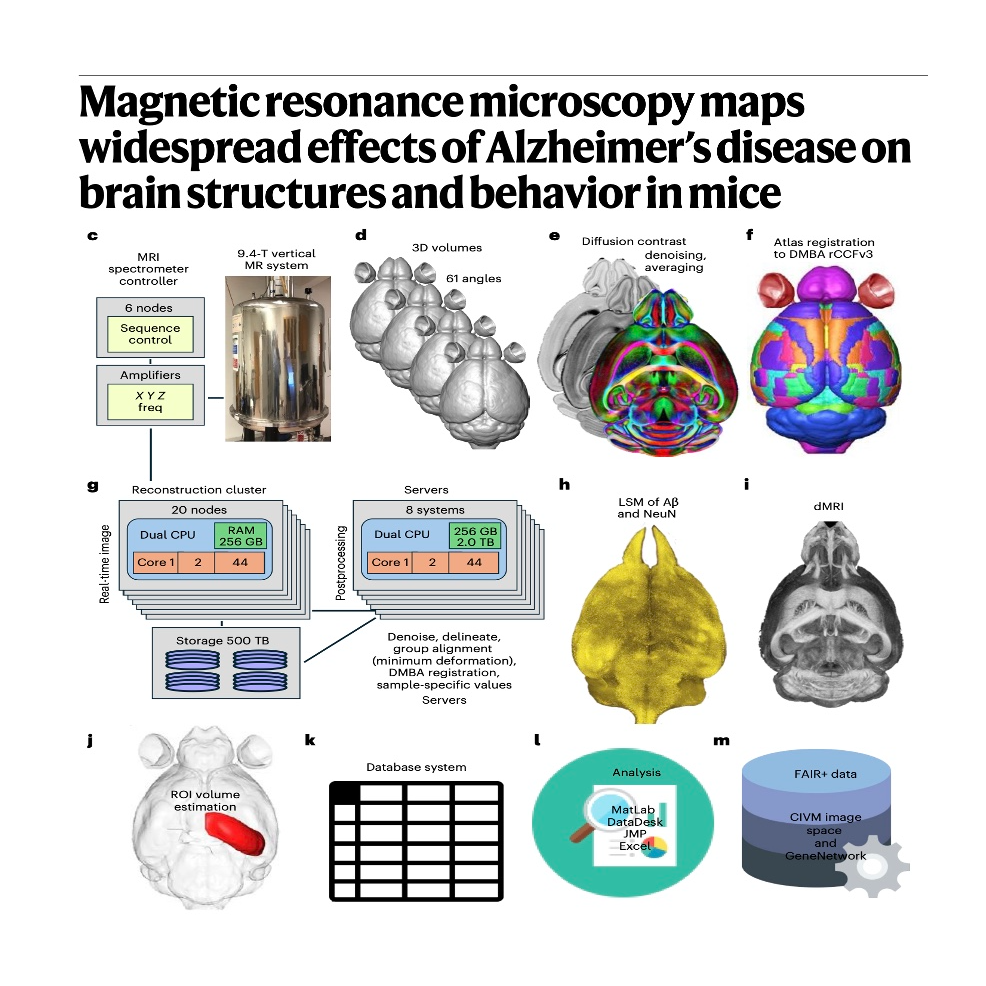
This research utilizes high-resolution magnetic resonance microscopy to map the extensive structural and behavioral impacts of Alzheimer’s disease mutations in diverse mouse models. By examining over 200 brain regions, researchers discovered a distinct rostrocaudal gradient where the front of the brain swells while the brainstem and white matter tracts shrink, leaving the total brain volume unchanged. The study highlights how genetic background and sex significantly influence the severity of these anatomical changes and their associated memory deficits. Female mice exhibited higher structural variance in response to the disease compared to males. Furthermore, specific volume fluctuations in subcortical areas were found to correlate directly with impairments in learning and contextual memory. Ultimately, these precise neuroanatomical benchmarks provide a critical foundation for evaluating new therapeutic interventions in preclinical trials.References: Tian Y, Hornburg K, Austin W, et al. Magnetic resonance microscopy maps widespread effects of Alzheimer’s disease on brain structures and behavior in mice[J]. Nature Neuroscience, 2026: 1-14.前往小宇宙评论区与主播互动
Embed this episode
Ready to play
874-Neuroanatomical and Behavioral Mapping of Alzheimer
No transcript for this episode yet
Similar Episodes
No similar episodes found.
Similar Podcasts
No similar podcasts found.