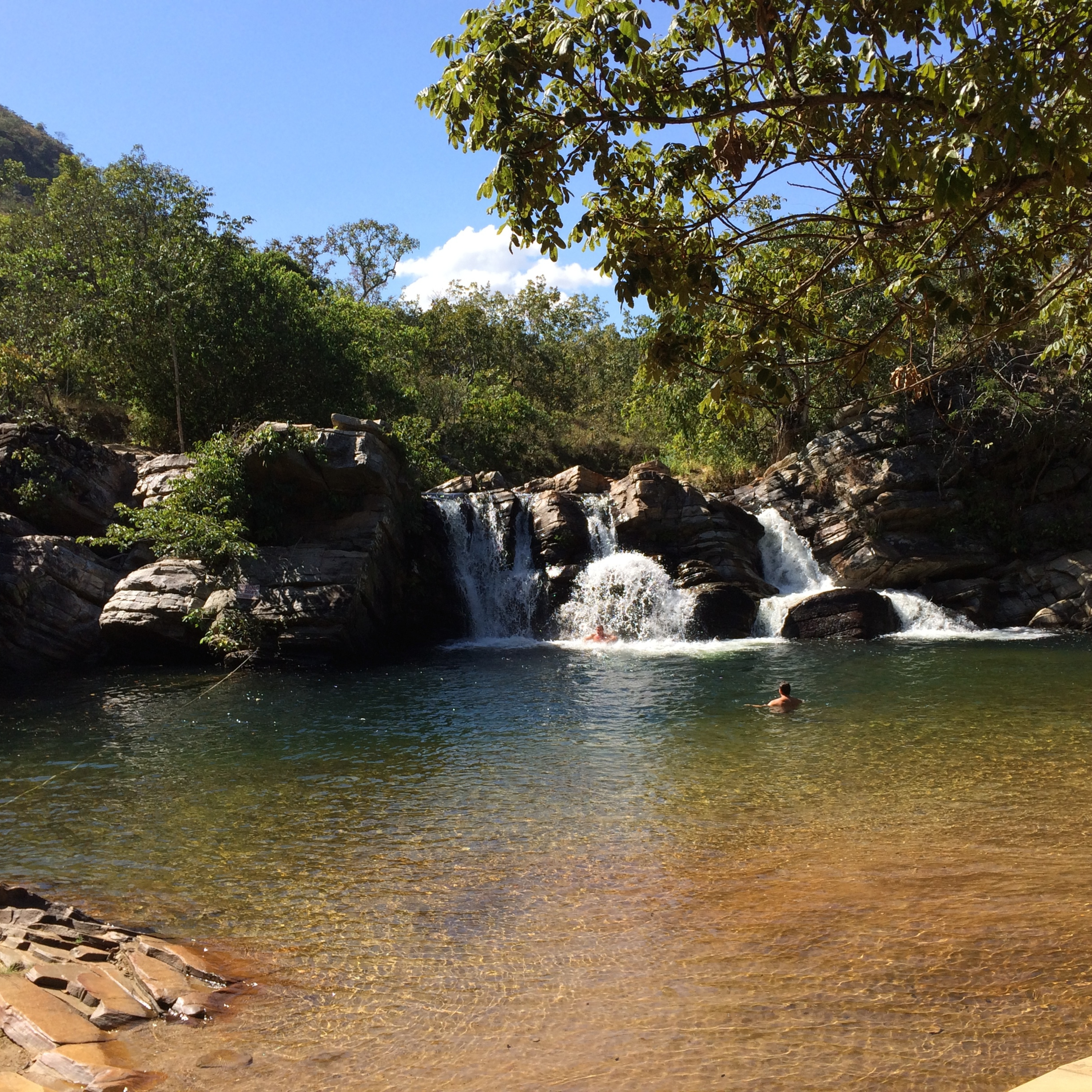
A água estaria acabando? Is the water running out? episode artwork

EPISODE · Jan 4, 2021 · 3 MIN

A água estaria acabando? Is the water running out?

from Podcasts de Ecologia/Composições musicais/NaturezaEcology Podcasts/Musical Compositions/Nature · host multimidiavillage

A água existente nos mares, rios, lagos e oceanos estaria acabando?  Não. Não existe um “ralo” por onde a água saia do planeta Terra.  Mas a água disponível e potável para o consumo humano, em qualidade e quantidade suficiente, pode entrar em forte declínio.  A demanda por água doce está aumentando e ela está ficando mais escassa, com menor qualidade. A mudança do clima está provocando maior impacto no ciclo hidrológico, com eventos climáticos extremos mais frequentes, causando enchentes e alagamentos em diversas regiões, assim como estiagens e dificuldade no acesso à água em outras.  A redução na oferta de água potável representa um risco econômico, riscos à segurança alimentar e à saúde humana. A água pode ficar cada vez mais cara e seu acesso mais restrito, provocando conflitos de interesse e disputa pelo seu uso.  Estudos recentes, apontam que o investimento em infraestrutura natural promove a retenção dos sedimentos que chegariam até os rios, reduzindo assim os custos de tratamento de água, além de aumentar a vida útil do manancial, retardando em muitos anos a necessidade de buscar outras fontes de abastecimento.  A implantação de ações baseadas na infraestrutura natural permitem a expansão de habitats para a biodiversidade, combatendo as duas principais causas de pressão sobre a biodiversidade, que são a degradação de habitats e a mudança do clima.  A biodiversidade depende de nós para que seja preservada, porém nós dependemos ainda mais da biodiversidade para garantir a vida na Terra, tal como a conhecemos. Só depende de nós mudar a forma como tratamos a natureza e o quanto poderemos contar com as soluções que ela nos oferece! Is the water in the seas, rivers, lakes and oceans running out? No. There is no “drain” through which water leaves planet Earth. But the available and potable water for human consumption, of sufficient quality and quantity, may decline sharply. The demand for fresh water is increasing and it is becoming scarcer, with less quality. Climate change is having a greater impact on the hydrological cycle, with more frequent extreme weather events, causing floods and flooding in several regions, as well as droughts and difficulties in accessing water in others. The reduction in the supply of drinking water represents an economic risk, risks to food security and human health. Water can become more and more expensive and its access more restricted, causing conflicts of interest and dispute over its use. Recent studies show that the investment in natural infrastructure promotes the retention of sediments that would reach the rivers, thus reducing water treatment costs, in addition to increasing the useful life of the spring, delaying the need to seek other sources of water for many years. supply. The implementation of actions based on natural infrastructure allows the expansion of habitats for biodiversity, combating the two main causes of pressure on biodiversity, which are habitat degradation and climate change. Biodiversity depends on us to preserve it, but we depend even more on biodiversity to guarantee life on Earth, as we know it. It is up to us to change the way we treat nature and how much we can count on the solutions it offers us!

A água existente nos mares, rios, lagos e oceanos estaria acabando?  Não. Não existe um “ralo” por onde a água saia do planeta Terra.  Mas a água disponível e potável para o consumo humano, em qualidade e quantidade suficiente, pode entrar em forte declínio.  A demanda por água doce está aumentando e ela está ficando mais escassa, com menor qualidade. A mudança do clima está provocando maior impacto no ciclo hidrológico, com eventos climáticos extremos mais frequentes, causando enchentes e alagamentos em diversas regiões, assim como estiagens e dificuldade no acesso à água em outras.  A redução na oferta de água potável representa um risco econômico, riscos à segurança alimentar e à saúde humana. A água pode ficar cada vez mais cara e seu acesso mais restrito, provocando conflitos de interesse e disputa pelo seu uso.  Estudos recentes, apontam que o investimento em infraestrutura natural promove a retenção dos sedimentos que chegariam até os rios, reduzindo assim os custos de tratamento de água, além de aumentar a vida útil do manancial, retardando em muitos anos a necessidade de buscar outras fontes de abastecimento.  A implantação de ações baseadas na infraestrutura natural permitem a expansão de habitats para a biodiversidade, combatendo as duas principais causas de pressão sobre a biodiversidade, que são a degradação de habitats e a mudança do clima.  A biodiversidade depende de nós para que seja preservada, porém nós dependemos ainda mais da biodiversidade para garantir a vida na Terra, tal como a conhecemos. Só depende de nós mudar a forma como tratamos a natureza e o quanto poderemos contar com as soluções que ela nos oferece! Is the water in the seas, rivers, lakes and oceans running out? No. There is no “drain” through which water leaves planet Earth. But the available and potable water for human consumption, of sufficient quality and quantity, may decline sharply. The demand for fresh water is increasing and it is becoming scarcer, with less quality. Climate change is having a greater impact on the hydrological cycle, with more frequent extreme weather events, causing floods and flooding in several regions, as well as droughts and difficulties in accessing water in others. The reduction in the supply of drinking water represents an economic risk, risks to food security and human health. Water can become more and more expensive and its access more restricted, causing conflicts of interest and dispute over its use. Recent studies show that the investment in natural infrastructure promotes the retention of sediments that would reach the rivers, thus reducing water treatment costs, in addition to increasing the useful life of the spring, delaying the need to seek other sources of water for many years. supply. The implementation of actions based on natural infrastructure allows the expansion of habitats for biodiversity, combating the two main causes of pressure on biodiversity, which are habitat degradation and climate change. Biodiversity depends on us to preserve it, but we depend even more on biodiversity to guarantee life on Earth, as we know it. It is up to us to change the way we treat nature and how much we can count on the solutions it offers us!

NOW PLAYING

A água estaria acabando? Is the water running out?

0:00 3:01

No transcript for this episode yet

We transcribe on demand. Request one and we'll notify you when it's ready — usually under 10 minutes.

No similar episodes found.

No similar podcasts found.

Frequently Asked Questions

How long is this episode of Podcasts de Ecologia/Composições musicais/NaturezaEcology Podcasts/Musical Compositions/Nature?

This episode is 3 minutes long.

When was this Podcasts de Ecologia/Composições musicais/NaturezaEcology Podcasts/Musical Compositions/Nature episode published?

This episode was published on January 4, 2021.

What is this episode about?

A água existente nos mares, rios, lagos e oceanos estaria acabando?  Não. Não existe um “ralo” por onde a água saia do planeta Terra.  Mas a água disponível e potável para o consumo humano, em qualidade e quantidade suficiente, pode entrar em forte...

Can I download this Podcasts de Ecologia/Composições musicais/NaturezaEcology Podcasts/Musical Compositions/Nature episode?

Yes, you can download this episode by clicking the download button on the episode player, or subscribe to the podcast in your preferred podcast app for automatic downloads.
URL copied to clipboard!