A Biochemist Seeks Better Prostrate Cancer Treatments episode artwork

EPISODE · Feb 2, 2025 · 24 MIN

A Biochemist Seeks Better Prostrate Cancer Treatments

from CUNY Graduate Center · host CUNY Graduate Center

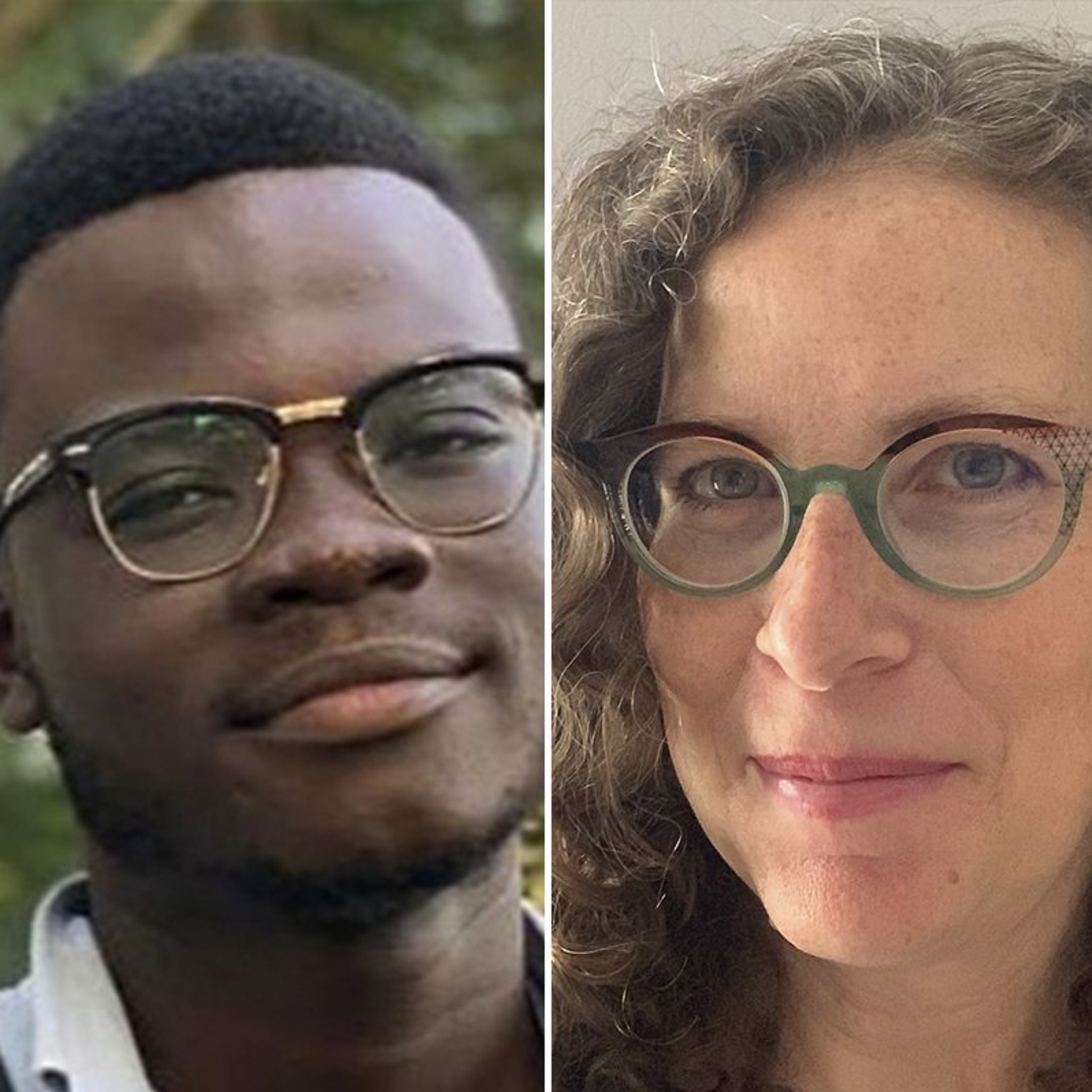
Prostate cancer is one of the most common cancers among men, with risk factors including age, race, lifestyle, and environmental exposures. Daniel Okpattah, a Biochemistry Ph.D. student at the CUNY Graduate Center, studies the molecular processes that drive prostate cancer. His research focuses on how cancer cells grow, survive, and resist treatment, with the goal of improving early detection and developing more effective therapies. In this episode of The Thought Project podcast, Okpattah speaks with journalist Liz Rosenberg about how prostate cancer develops and why some forms are harder to treat than others. He explains the difference between hormone-sensitive prostate cancer, which relies on male hormones like testosterone to grow and can often be treated by lowering hormone levels, and androgen-insensitive prostate cancer, a more aggressive form that continues to grow even without these hormones, making it much harder to treat. Okpattah also explores current treatment options, from surgery and radiation to newer drug therapies designed to target cancer cells more precisely. He highlights the importance of early detection, particularly for men with a family history of cancer or those in high-risk groups. Both Okpattah and Rosenberg were Graduate Center Science Communication Fellows. Listen in to learn more.

Prostate cancer is one of the most common cancers among men, with risk factors including age, race, lifestyle, and environmental exposures. Daniel Okpattah, a Biochemistry Ph.D. student at the CUNY Graduate Center, studies the molecular processes that drive prostate cancer. His research focuses on how cancer cells grow, survive, and resist treatment, with the goal of improving early detection and developing more effective therapies. In this episode of The Thought Project podcast, Okpattah speaks with journalist Liz Rosenberg about how prostate cancer develops and why some forms are harder to treat than others. He explains the difference between hormone-sensitive prostate cancer, which relies on male hormones like testosterone to grow and can often be treated by lowering hormone levels, and androgen-insensitive prostate cancer, a more aggressive form that continues to grow even without these hormones, making it much harder to treat. Okpattah also explores current treatment options, from surgery and radiation to newer drug therapies designed to target cancer cells more precisely. He highlights the importance of early detection, particularly for men with a family history of cancer or those in high-risk groups. Both Okpattah and Rosenberg were Graduate Center Science Communication Fellows. Listen in to learn more.

NOW PLAYING

A Biochemist Seeks Better Prostrate Cancer Treatments

0:00 24:11

No transcript for this episode yet

We transcribe on demand. Request one and we'll notify you when it's ready — usually under 10 minutes.

No similar episodes found.

No similar podcasts found.

Frequently Asked Questions

How long is this episode of CUNY Graduate Center?

This episode is 24 minutes long.

When was this CUNY Graduate Center episode published?

This episode was published on February 2, 2025.

What is this episode about?

Prostate cancer is one of the most common cancers among men, with risk factors including age, race, lifestyle, and environmental exposures. Daniel Okpattah, a Biochemistry Ph.D. student at the CUNY Graduate Center, studies the molecular processes...

Can I download this CUNY Graduate Center episode?

Yes, you can download this episode by clicking the download button on the episode player, or subscribe to the podcast in your preferred podcast app for automatic downloads.
URL copied to clipboard!