A lesson in social movements, protests and polarization episode artwork

EPISODE · May 2, 2025 · 22 MIN

A lesson in social movements, protests and polarization

from The UC Irvine Podcast · host University of California, Irvine

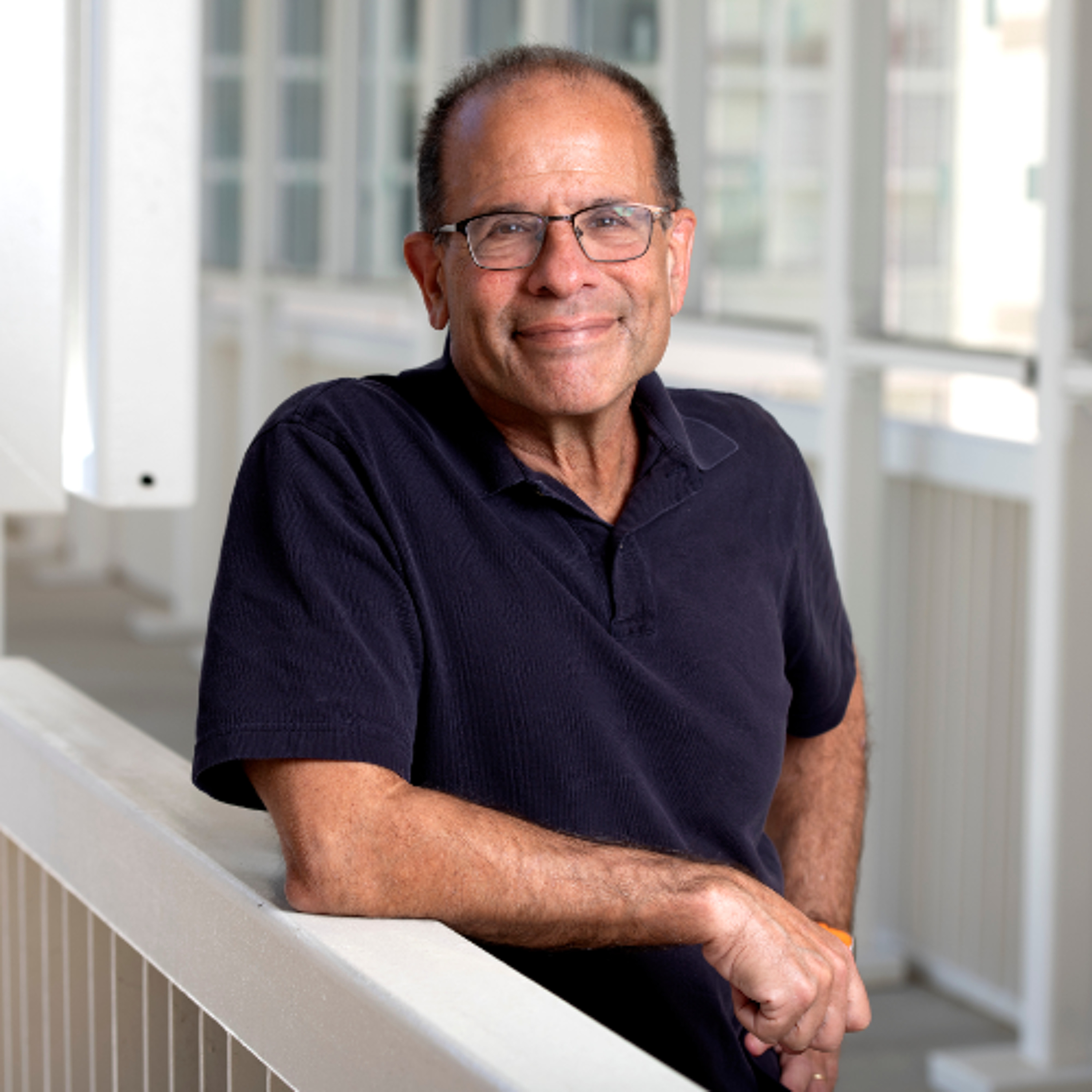
Social movements – and the protests they give rise to – have happened on American soil since before the country’s establishment as an independent nation. On Dec. 16, 1773, American colonists demonstrated their dissatisfaction with British tax policies by dressing in disguise and dumping 342 chests – around 92,000 pounds – of valuable tea into Boston Harbor. Originally known as “the Destruction of the Tea,” the event was later nicknamed “the Boston Tea Party.” In this century, we’ve seen part of that moniker repurposed by the tea party movement, a group interested in lower taxes and decreased government spending who staged protests in over 750 U.S. cities on April 15, 2009 – Tax Day. Social injustices, environmental issues and political concerns are just a few of myriad reasons people have organized protests over the course of history. David S. Meyer, UC Irvine professor of sociology, political science, and urban planning and public policy, is one of the nation’s top scholars on social movements. In this episode of The UC Irvine Podcast, Meyer leans on years of study to put today’s realities into historical perspective, analyze the current state of polarization and share what he’s learned about how action can spark change. “Downpour,” the music for this episode, was provided by Patiño via the audio library in YouTube Studio.

Social movements – and the protests they give rise to – have happened on American soil since before the country’s establishment as an independent nation. On Dec. 16, 1773, American colonists demonstrated their dissatisfaction with British tax policies by dressing in disguise and dumping 342 chests – around 92,000 pounds – of valuable tea into Boston Harbor. Originally known as “the Destruction of the Tea,” the event was later nicknamed “the Boston Tea Party.” In this century, we’ve seen part of that moniker repurposed by the tea party movement, a group interested in lower taxes and decreased government spending who staged protests in over 750 U.S. cities on April 15, 2009 – Tax Day. Social injustices, environmental issues and political concerns are just a few of myriad reasons people have organized protests over the course of history. David S. Meyer, UC Irvine professor of sociology, political science, and urban planning and public policy, is one of the nation’s top scholars on social movements. In this episode of The UC Irvine Podcast, Meyer leans on years of study to put today’s realities into historical perspective, analyze the current state of polarization and share what he’s learned about how action can spark change. “Downpour,” the music for this episode, was provided by Patiño via the audio library in YouTube Studio.

NOW PLAYING

A lesson in social movements, protests and polarization

0:00 22:08

No transcript for this episode yet

We transcribe on demand. Request one and we'll notify you when it's ready — usually under 10 minutes.

Frequently Asked Questions

How long is this episode of The UC Irvine Podcast?

This episode is 22 minutes long.

When was this The UC Irvine Podcast episode published?

This episode was published on May 2, 2025.

What is this episode about?

Social movements – and the protests they give rise to – have happened on American soil since before the country’s establishment as an independent nation. On Dec. 16, 1773, American colonists demonstrated their dissatisfaction with British tax...

Can I download this The UC Irvine Podcast episode?

Yes, you can download this episode by clicking the download button on the episode player, or subscribe to the podcast in your preferred podcast app for automatic downloads.
URL copied to clipboard!