
EPISODE · Feb 18, 2026 · 29 MIN
A New Era in the Americas: The 2026 US-Venezuela Diplomatic and Energy Rapprochement
from The World Between Us · host Norse Studio
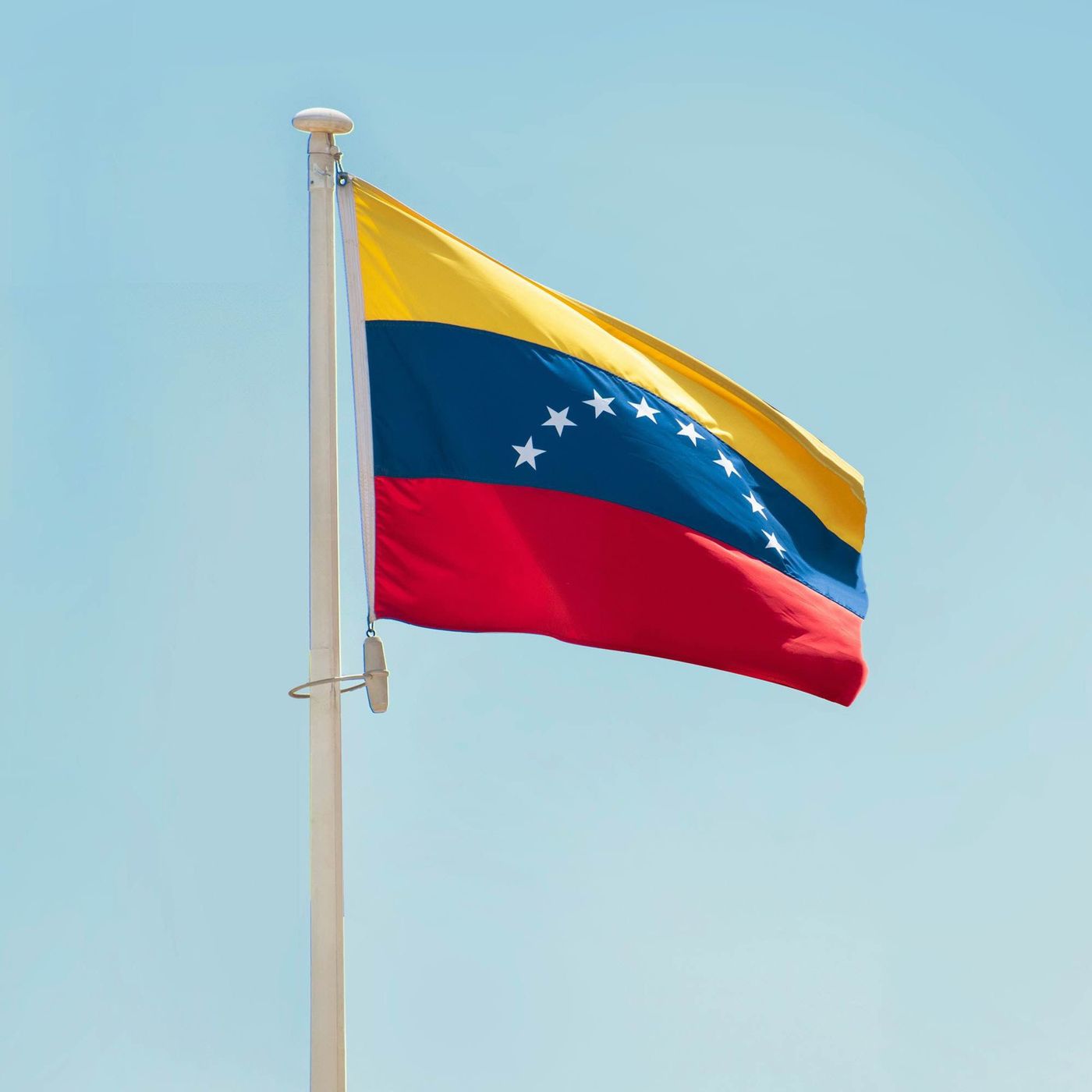
In a major shift in international relations, Venezuela and the United States have begun a rapid diplomatic and economic rapprochement following the January 3, 2026, capture of President Nicolás Maduro by U.S. Delta Force operatives. Maduro and First Lady Cilia Flores were seized in Caracas and transported to a U.S. jail to face charges related to narco-trafficking. Following this intervention, Delcy Rodríguez, the former vice president, was sworn in as Venezuela’s interim president.While Rodríguez manages the country’s daily operations, she maintains a complex stance regarding her predecessor, asserting that Maduro remains the "legitimate president" and that both he and Flores are innocent of the charges against them. Conversely, President Donald Trump has expressed high satisfaction with the new leadership, rating the current relationship with Venezuela as a "10" and formally recognizing the Rodríguez government as the legitimate authority.A central pillar of this new relationship is the overhaul of the Venezuelan energy sector, which holds the world’s largest proven oil reserves. Key developments include:• U.S. Control of Oil: The Trump administration has effectively taken control of Venezuela’s oil exports, with revenues being rerouted through bank accounts in Qatar under U.S.-stipulated conditions.• Legislative Reform: A pro-business overhaul of Venezuela's Hydrocarbon Law now allows private foreign companies to control production and sales, ending the monopoly previously held by the state-run PDVSA.• Energy Diplomacy: U.S. Energy Secretary Chris Wright visited Caracas in February 2026, marking the highest-level visit in nearly 30 years.• Corporate Investment: The U.S. Treasury has issued licenses to energy giants such as Chevron, BP, Repsol, and Eni to resume and expand operations. Wright predicts that oil production could rise by 50 to 100% within the current administration's term.Diplomatically, Delcy Rodríguez has been invited to visit the United States, which would be the first bilateral visit by a Venezuelan leader in over 25 years. President Trump has also indicated his intent to visit Venezuela.Despite this cooperation, significant tensions remain regarding the country's democratic future. Rodríguez has pledged to hold "free and fair" elections as mandated by the constitution, but she refuses to set a specific timeline. She argues that such a vote can only occur once sanctions are lifted and the country is free from "international bullying". While Secretary Wright suggests elections could occur within three years, internal resistance from hardliners in Caracas—such as Diosdado Cabello and Vladimir Padrino Lopez—poses a potential challenge to Rodríguez’s outreach to Washington.Furthermore, the status of opposition leader Maria Corina Machado remains contentious. While Trump hosted her at the White House, Rodríguez has stated that Machado would face legal and political scrutiny for her past calls for military intervention and sanctions should she return to the country. Rodriguez has also released dozens of political prisoners, though more than 600 remain in detention.AI tools were used in the translation. Hosted on Acast. See acast.com/privacy for more information.Become a supporter of this podcast: https://www.spreaker.com/podcast/the-world-between-us--6886561/support.
Embed this episode
Ready to play
A New Era in the Americas: The 2026 US-Venezuela Diplomatic and Energy Rapprochement
No transcript for this episode yet
Similar Episodes
No similar episodes found.
Similar Podcasts
No similar podcasts found.