
EPISODE · Jul 23, 2026 · 27 MIN
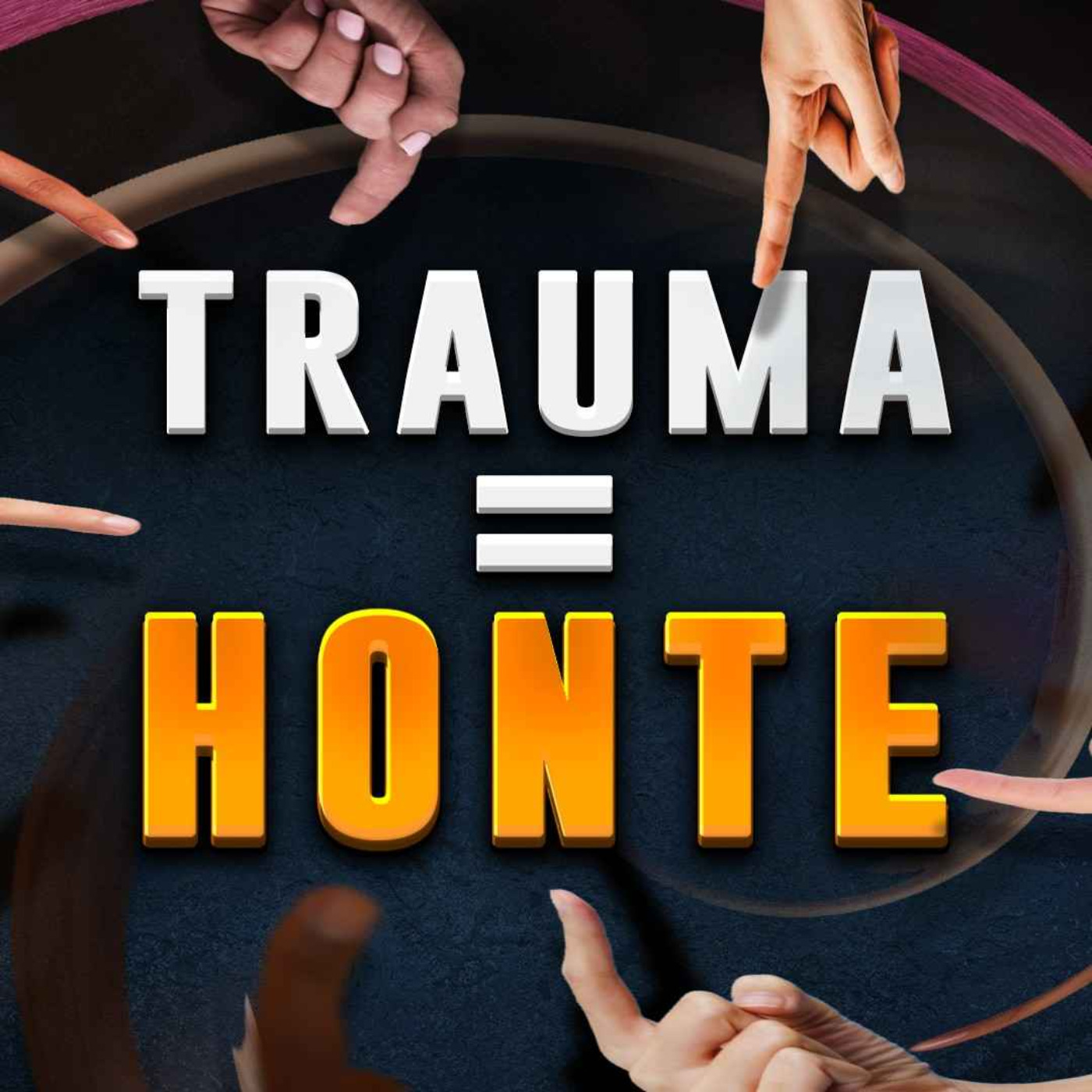
À qui profite la honte ?
from La Chaîne de Za
💬 Patreon : https://www.patreon.com/c/monsieurza 💬 Sources utilisées pour la vidéo : • Sana Sheikh & Ronnie Janoff-Bulman, « The "shoulds" and "should nots" of moral emotions », Personality and Social Psychology Bulletin, 36(2), 2010, pp. 213-224. [La honte comme émotion de la transgression : globale, punitive, avec sa consigne de retrait.] • Ronnie Janoff-Bulman, Shattered Assumptions. Towards a New Psychology of Trauma, Free Press, 1992. [Le livre central de la vidéo : les trois évidences, les deux réparations, le blâme de soi comme restauration du sens.] • Melvin Lerner, The Belief in a Just World: A Fundamental Delusion, Plenum, 1980. [La croyance en un monde juste, et ce que les spectateurs protègent en blâmant les victimes.] • Laura S. Brown, « Not Outside the Range: One Feminist Perspective on Psychic Trauma », American Imago, 48(1), 1991. [La critique du présupposé : pour une bonne partie de l'humanité, la violence n'a rien d'inhabituel.] • Catherine C. Classen, Oxana G. Palesh & Rashi Aggarwal, « Sexual revictimization: A review of the empirical literature », Trauma, Violence, & Abuse, 6(2), 2005, pp. 103-129. [Pourquoi « une seule fois » est presque l'exception.] • Paul Chodoff, Stanford B. Friedman & David A. Hamburg, « Stress, defenses and coping behavior: observations in parents of children with malignant disease », American Journal of Psychiatry, 120(8), 1964, pp. 743-749. [Les parents d'enfants atteints de leucémie qui cherchent leur propre faute.] • Ronnie Bulman & Camille Wortman, « Attributions of blame and coping in the "real world": Severe accident victims react to their lot », Journal of Personality and Social Psychology, 35(5), 1977, pp. 351-363. [Les 63 %.] • Hannah Arendt, Eichmann à Jérusalem. Rapport sur la banalité du mal, trad. Anne Guérin, Gallimard, 1966. [« Terriblement et effroyablement normaux ».] • Ronnie Janoff-Bulman, « Characterological versus behavioral self-blame: Inquiries into depression and rape », Journal of Personality and Social Psychology, 37(10), 1979, pp. 1798-1809. [Le type "faire" et le type "être". L'hypothèse d'un blâme comportemental protecteur a été infirmée depuis, voir Frazier.] • Patricia Frazier, « Perceived control and distress following sexual assault: A longitudinal test of a new model », Journal of Personality and Social Psychology, 84(6), 2003, pp. 1257-1269. [Se blâmer pour ses comportements prédit plus de détresse. Le contrôle qui aide porte sur le présent.] • Ronnie Janoff-Bulman, Christine Timko & Linda L. Carli, « Cognitive biases in blaming the victim », Journal of Experimental Social Psychology, 21(2), 1985, pp. 161-177. [Les mêmes comportements ne deviennent des fautes que lus à rebours.] • William Ryan, Blaming the Victim, Pantheon Books, 1971. [Le verdict de non-culpabilité que les spectateurs se rendent à eux-mêmes.] • Judith L. Herman, Truth and Repair. How Trauma Survivors Envision Justice, Basic Books, 2023. [Les méthodes du contrôle coercitif fabriquent la honte, pas la peur.] Hébergé par Acast. Visitez acast.com/privacy pour plus d'informations.
Embed this episode
Ready to play
À qui profite la honte ?
No transcript for this episode yet
Similar Episodes
No similar episodes found.
Similar Podcasts
No similar podcasts found.