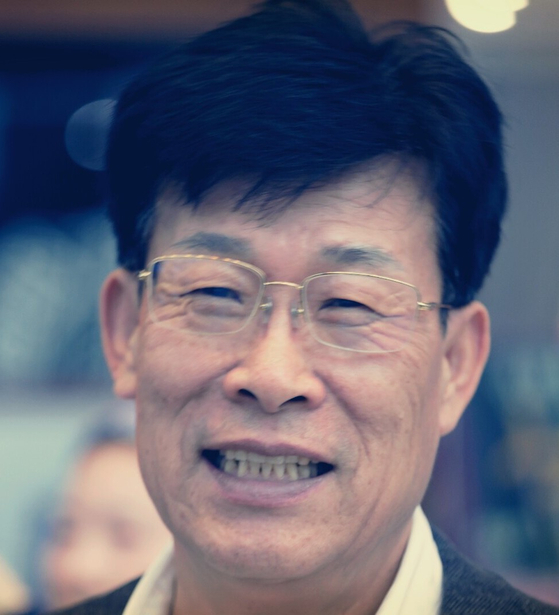
A virtuous cycle of giving for children in need episode artwork

EPISODE · May 3, 2026 · 5 MIN

A virtuous cycle of giving for children in need

from Korea JoongAng Daily - Daily News from Korea

The author is the chair of the Korea Pediatric Cancer Foundation. Korea was officially recognized as an advanced economy in July 2021 when the United Nations Conference on Trade and Development unanimously reclassified it into the "developed country group." Yet even in such a country, around 1,600 children under the age of 18 are newly diagnosed with pediatric cancer each year. Despite the nation's fertility rate falling below 1.0 in 2018 and reaching 0.8 last year, the number of young patients has not declined. The government has recently lowered the threshold for financial assistance for pediatric cancer treatment as a special measure. Eligibility has been expanded to households earning up to 120 percent of median income, and the maximum support has been raised to 30 million won ($20,370). While this is a timely step, significant blind spots remain. As the country marks the 104th Children's Day this year, it is worth revisiting the familiar phrase that children are the future of the nation. Ensuring that children grow up healthy is a fundamental responsibility of society. For those suffering from serious illness, the need for compassion and support is even greater. Established in 2001, the Korea Pediatric Cancer Foundation exists to support children who confront pediatric cancer and rare diseases before they have even had the chance to fully step into society. The foundation has focused most of its donations on covering medical expenses and providing educational and emotional support, helping young patients build a path toward reintegration into society. Although conditions have improved over time, Korea's culture of giving remains underdeveloped. In the United States, charitable giving is often regarded as a virtue rooted in Puritan traditions. In Korea, however, Confucian values have long emphasized family ties and inheritance. As a result, many people still prioritize wealth within their own families and lineage. Government tax policy has also faced criticism for failing to encourage donations. In 2014, the system shifted from income deductions to tax credits, reducing incentives for high-value donors. This change led to a noticeable decline in large-scale donations. The contrast with countries such as the United States and Britain, where legal frameworks and generous incentives actively promote giving, is striking. In that sense, Korea's current system represents a step backward. There are, however, signs of hope. Small donations among younger generations have been increasing rapidly. New practices have emerged, such as marking birthdays or wedding anniversaries with charitable contributions. Many regular donors faithfully transfer a portion of their monthly income, reflecting a deep sense of commitment. One couple, for example, has spent the past five years celebrating the end of the year by donating a share of their earnings and reaffirming their goals for the coming year. They say they hope for a world where people grow up accustomed to receiving love and, as adults, to sharing it. More former patients are also taking part in supporting others. A young woman who once battled pediatric cancer now helps organize emotional support events hosted by the foundation, guiding fellow survivors who have successfully reintegrated into society. Another case involves a student who was diagnosed with hemophagocytic lymphohistiocytosis in middle school and, after enduring difficult treatment, is now enrolled at KAIST. His mother, who cared for him throughout his illness, now donates regularly to support other families. A former osteosarcoma patient who graduated from Seoul Institute of the Arts now works as a vocal trainer running a music studio. Inspired by singers who visited him during his treatment, he now holds annual charity performances at the end of each year. These efforts offer reassurance to other families and help create a virtuous cycle of giving. They also reflect a broader shift driven by young people in Korea. ...

The author is the chair of the Korea Pediatric Cancer Foundation. Korea was officially recognized as an advanced economy in July 2021 when the United Nations Conference on Trade and Development unanimously reclassified it into the "developed country group." Yet even in such a country, around 1,600 children under the age of 18 are newly diagnosed with pediatric cancer each year. Despite the nation's fertility rate falling below 1.0 in 2018 and reaching 0.8 last year, the number of young patients has not declined. The government has recently lowered the threshold for financial assistance for pediatric cancer treatment as a special measure. Eligibility has been expanded to households earning up to 120 percent of median income, and the maximum support has been raised to 30 million won ($20,370). While this is a timely step, significant blind spots remain. As the country marks the 104th Children's Day this year, it is worth revisiting the familiar phrase that children are the future of the nation. Ensuring that children grow up healthy is a fundamental responsibility of society. For those suffering from serious illness, the need for compassion and support is even greater. Established in 2001, the Korea Pediatric Cancer Foundation exists to support children who confront pediatric cancer and rare diseases before they have even had the chance to fully step into society. The foundation has focused most of its donations on covering medical expenses and providing educational and emotional support, helping young patients build a path toward reintegration into society. Although conditions have improved over time, Korea's culture of giving remains underdeveloped. In the United States, charitable giving is often regarded as a virtue rooted in Puritan traditions. In Korea, however, Confucian values have long emphasized family ties and inheritance. As a result, many people still prioritize wealth within their own families and lineage. Government tax policy has also faced criticism for failing to encourage donations. In 2014, the system shifted from income deductions to tax credits, reducing incentives for high-value donors. This change led to a noticeable decline in large-scale donations. The contrast with countries such as the United States and Britain, where legal frameworks and generous incentives actively promote giving, is striking. In that sense, Korea's current system represents a step backward. There are, however, signs of hope. Small donations among younger generations have been increasing rapidly. New practices have emerged, such as marking birthdays or wedding anniversaries with charitable contributions. Many regular donors faithfully transfer a portion of their monthly income, reflecting a deep sense of commitment. One couple, for example, has spent the past five years celebrating the end of the year by donating a share of their earnings and reaffirming their goals for the coming year. They say they hope for a world where people grow up accustomed to receiving love and, as adults, to sharing it. More former patients are also taking part in supporting others. A young woman who once battled pediatric cancer now helps organize emotional support events hosted by the foundation, guiding fellow survivors who have successfully reintegrated into society. Another case involves a student who was diagnosed with hemophagocytic lymphohistiocytosis in middle school and, after enduring difficult treatment, is now enrolled at KAIST. His mother, who cared for him throughout his illness, now donates regularly to support other families. A former osteosarcoma patient who graduated from Seoul Institute of the Arts now works as a vocal trainer running a music studio. Inspired by singers who visited him during his treatment, he now holds annual charity performances at the end of each year. These efforts offer reassurance to other families and help create a virtuous cycle of giving. They also reflect a broader shift driven by young people in Korea. ...

NOW PLAYING

A virtuous cycle of giving for children in need

0:00 5:15

No transcript for this episode yet

We transcribe on demand. Request one and we'll notify you when it's ready — usually under 10 minutes.

No similar episodes found.

No similar podcasts found.

Frequently Asked Questions

How long is this episode of Korea JoongAng Daily - Daily News from Korea?

This episode is 5 minutes long.

When was this Korea JoongAng Daily - Daily News from Korea episode published?

This episode was published on May 3, 2026.

What is this episode about?

The author is the chair of the Korea Pediatric Cancer Foundation. Korea was officially recognized as an advanced economy in July 2021 when the United Nations Conference on Trade and Development unanimously reclassified it into the "developed...

Can I download this Korea JoongAng Daily - Daily News from Korea episode?

Yes, you can download this episode by clicking the download button on the episode player, or subscribe to the podcast in your preferred podcast app for automatic downloads.
URL copied to clipboard!