
EPISODE · May 27, 2026 · 1H 2M
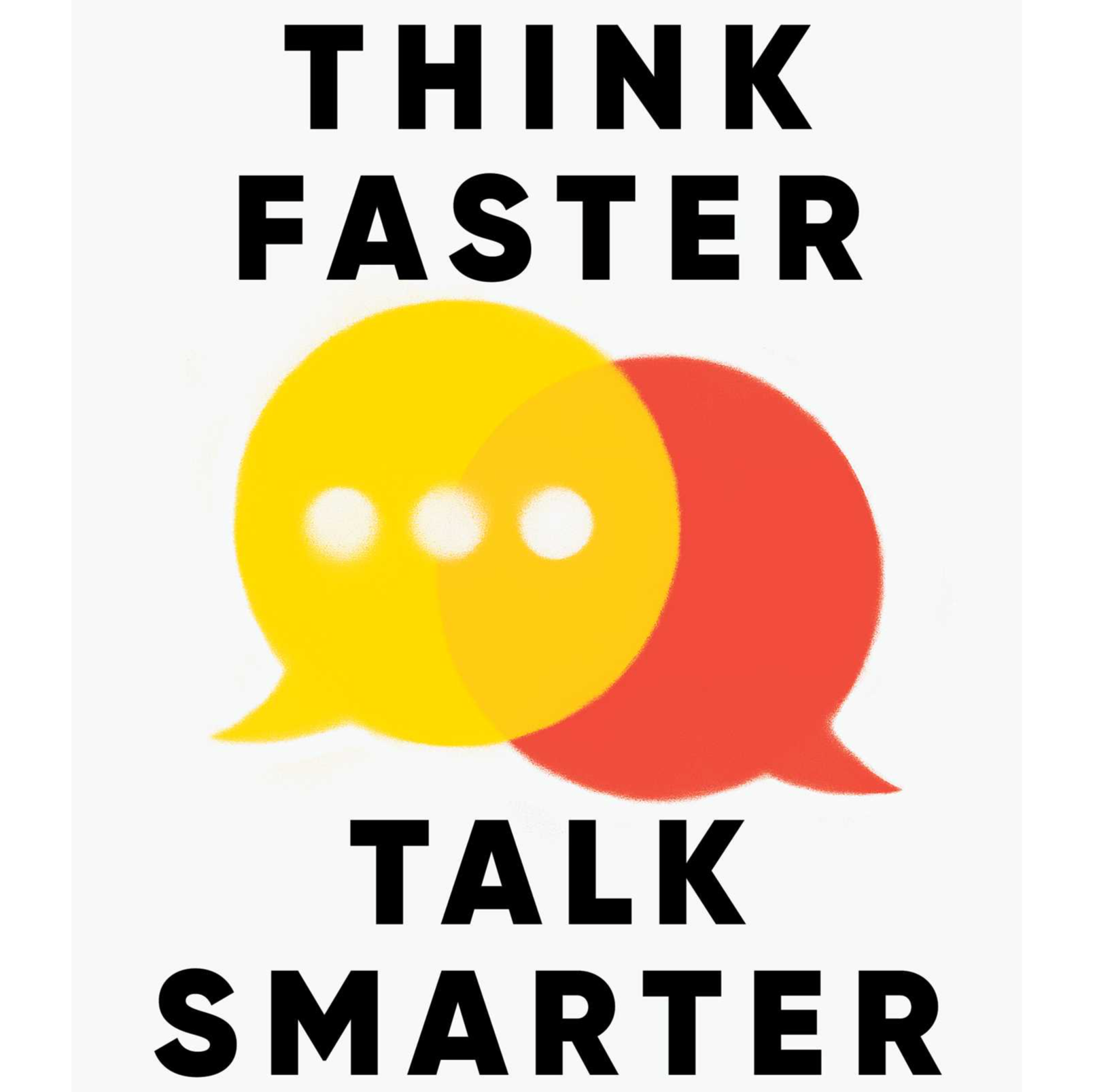
Abrahams, M. (2023). Think faster, talk smarter: How to speak successfully when you're put on the spot. Simon Element.
from Fei's Library: Personal Improvement
Think Faster, Talk Smarter by Matt Abrahams provides a six-step methodology for mastering spontaneous communication, calling individuals to shift from a "performance" mindset to a "conversational" one.The Six-Step MethodologyTame Speaking Anxiety (CALM): Manage the "ABCs" of anxiety—Affective (feelings), Behavioral (sweating/shaking), and Cognitive (blanking out). Use deep belly breathing where exhalations are twice as long as inhalations to calm the nervous system. Holding something cold can regulate body temperature to reduce blushing. Create a personalized Anxiety Management Plan (AMP) using an acronym like BOOM (Be present, Observe movements, Oxygenate, Mantra).Maximize Mediocrity (UNLOCK): Striving for perfection creates a cognitive load that causes speakers to freeze. Instead, "dare to be dull" and be obvious rather than original; this allows you to act authentically and stay present. Reframe errors as "missed-takes"—one of many possible versions of an interaction that provides a learning opportunity.Shift Your Mindset (REDEFINE): View being put on the spot as an opportunity to help or connect rather than a threat to your reputation. Adopt a growth mindset, believing communication skills can be improved through effort. Use the improv tenet "Yes, And..." to validate others and build upon their ideas. Practice "Next Play," refocusing immediately on the current moment regardless of a previous gaffe or success.Deep Listening (LISTEN): Effective response requires "active reconnaissance" of the audience's needs. Use the Pace, Space, and Grace framework: slow your pace to absorb information, create space for reflection by paraphrasing, and show grace by listening to your own internal intuition.Utilize Story Structure (STRUCTURE): Structure provides a "road map" that prevents rambling. The most versatile structure is What–So What–Now What: Define the topic (What), explain its relevance (So What), and outline the next steps (Now What).Focus and Concision (FOCUS): Powerful communication is precise and does not waste the audience's time. Use BLUF (Bottom Line Up Front) to state your main point immediately. Apply the "Grandmother Test" by explaining complex topics simply and without jargon.Situational "Recipes"Small Talk: Prioritize support responses (asking questions) over shift responses (talking about yourself).Toasts/Introductions (WHAT): Why are we here, How are you connected, Anecdotes, Thank the honoree.Pitches: Use Problem–Solution–Benefit to identify a shared pain point and highlight the resulting gains.Answering Questions (ADD): Answer directly, Detail an example, Describe the value.Feedback (The 4 I’s): Provide Information, explain the Impact, extend an Invitation for collaboration, and detail Implications.Apologies (AAA): Acknowledge responsibility, Appreciate the impact, and make Amends.
Embed this episode
NOW PLAYING
Abrahams, M. (2023). Think faster, talk smarter: How to speak successfully when you're put on the spot. Simon Element.
No transcript for this episode yet
Similar Episodes
No similar episodes found.
Similar Podcasts
No similar podcasts found.