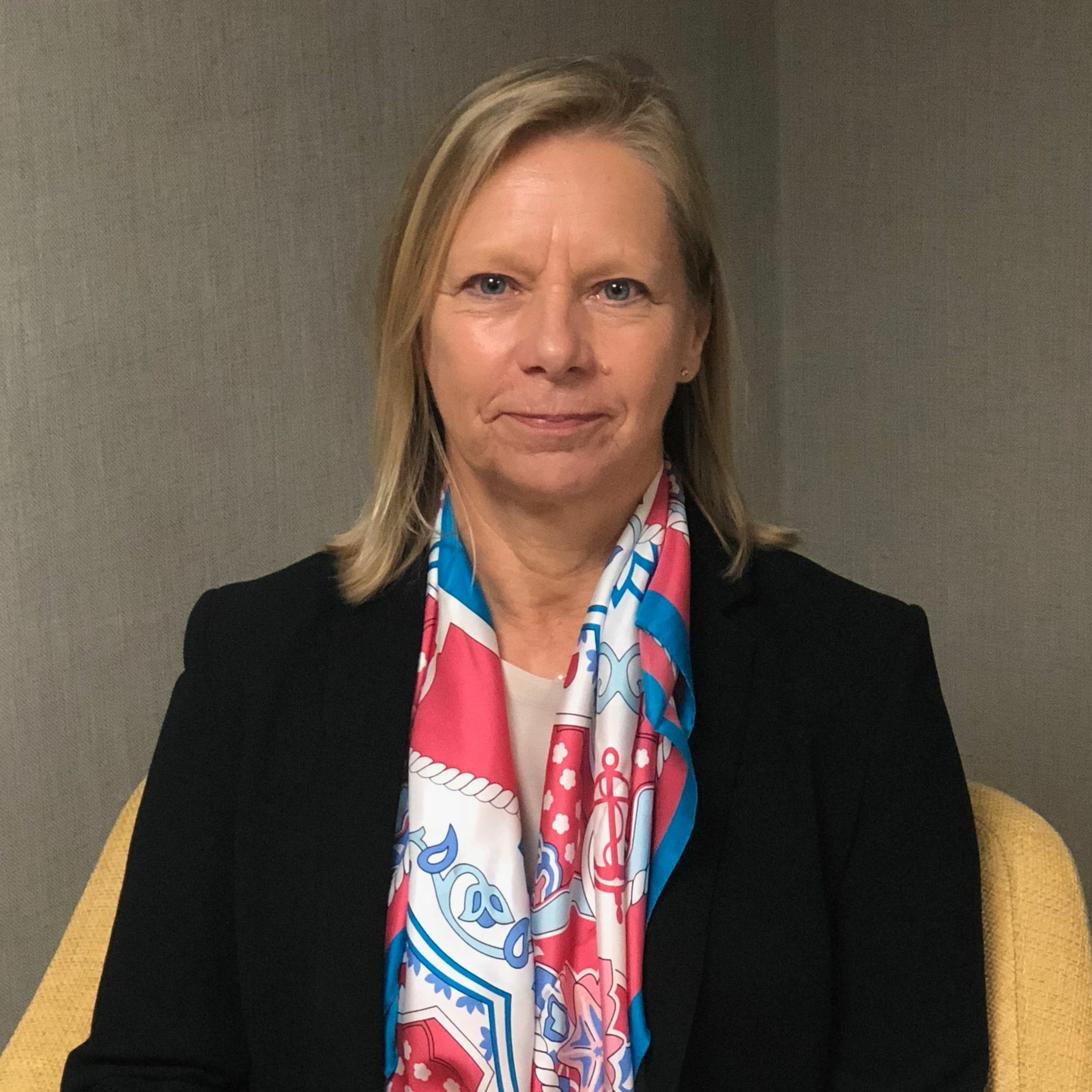
ABS Executive Kirsi Tikka discusses IMO 2020 Sulfur Cap

EPISODE · Oct 30, 2018 · 17 MIN

ABS Executive Kirsi Tikka discusses IMO 2020 Sulfur Cap

from Listen Up! powered by Marine Log · host Marine Log

For shipowners, the clock is ticking on one of the shipping industry’s most significant air emission regulations. The IMO 2020 Global Sulfur Cap, due to take effect January 1, 2020, will mandate that shipowners burn 0.5% sulfur fuel to comply or use other means such as exhaust gas cleaning systems — so-called scrubbers — if they want to burn heavy fuel oil or operate their ships with dual fuel engines that can burn Liquefied Natural Gas (LNG) or another alternative fuel. All ships that operate outside current Emissions Control Areas (ECAs) will be required to use fuel oil with a maximum sulfur content of 0.5% while vessels operating within ECAs will be required to use fuel oil with a maximum sulfur content of 0.10%. Currently, there are ECAs in North America and the U.S. Caribbean, Baltic and North Seas, and along certain parts of the coast of China. To get some insight into the widespread ramifications of the IMO 2020 Sulfur Cap, we spoke with Kirsi Tikka, the well-respected ABS Executive Vice President and Senior Maritime Advisor, Global Marine. Tikka spoke with us about the advantages and disadvantages of each of the compliance options, as well as future IMO regulations regarding the reduction of CO2 emissions and greenhouse gases.

NOW PLAYING

ABS Executive Kirsi Tikka discusses IMO 2020 Sulfur Cap

0:00 17:51

No transcript for this episode yet

We transcribe on demand. Request one and we'll notify you when it's ready — usually under 10 minutes.

MG Show MG Show The MG Show, hosted by Jeffrey Pedersen and Shannon Townsend, is a leading alternative media platform dedicated to uncovering the truth behind today’s most pressing political issues. Launched in 2019, the show has grown exponentially, offering unfiltered insights, comprehensive research, and real-time analysis. With a commitment to independent journalism and factual integrity, the MG Show empowers its audience with knowledge and encourages active participation in the political discourse. Photo Breakdown Scott Wyden Kivowitz Photo Breakdown is a podcast in which we explore the world of photography with a trusted guide, host Scott Wyden Kivowitz. His expertise and passion bring the industry to life as we explore the stories, trends, and ideas shaping it today. Join us as we dissect everything from incredible photographs and creative techniques to the latest gear releases and hot topics in the photography community.In each episode, we break down what’s happening behind the scenes - whether it’s making a powerful image, a candid discussion on industry trends, or a reflection on the tools and technology changing how we make photographs. You’ll get insights, expert opinions, and a fresh perspective on what’s top of mind for photographers right now.Anticipate short, engaging episodes brimming with ideas and inspiration. Be part of the conversation by sharing your thoughts, voice notes, and comments. Your participation is what makes our community vibrant and dynamic.It’s more than just photography - everyth Managing Next Generation Energy Systems Cambridge University Background Stakeholders working with energy systems have to make complex decisions formulated from risk-based assessments about the future. The move towards more renewables in our energy systems complicates matters even further, requiring the development of an integrated power grid and continuous and steady transformation of the UK power system. Network flows must be managed reliably under uncertain demands, uncertain supply, emerging network technologies and possible failures and, further, prices in related markets can be highly volatile. Mathematicians working with engineers and economists, can make significant contributions to address such issues, by helping to develop fit-for-purpose models for next generation energy systems. These interdisciplinary approaches are looking to address a range of associated problems, including modelling, prediction, simulation, control, market and mechanism design and optimisation. This knowledge exchange workshop was part of the four months Res The Digital Resilience Show David Wild Podcast by David Wild
URL copied to clipboard!