
EPISODE · Dec 21, 2024 · 18 MIN
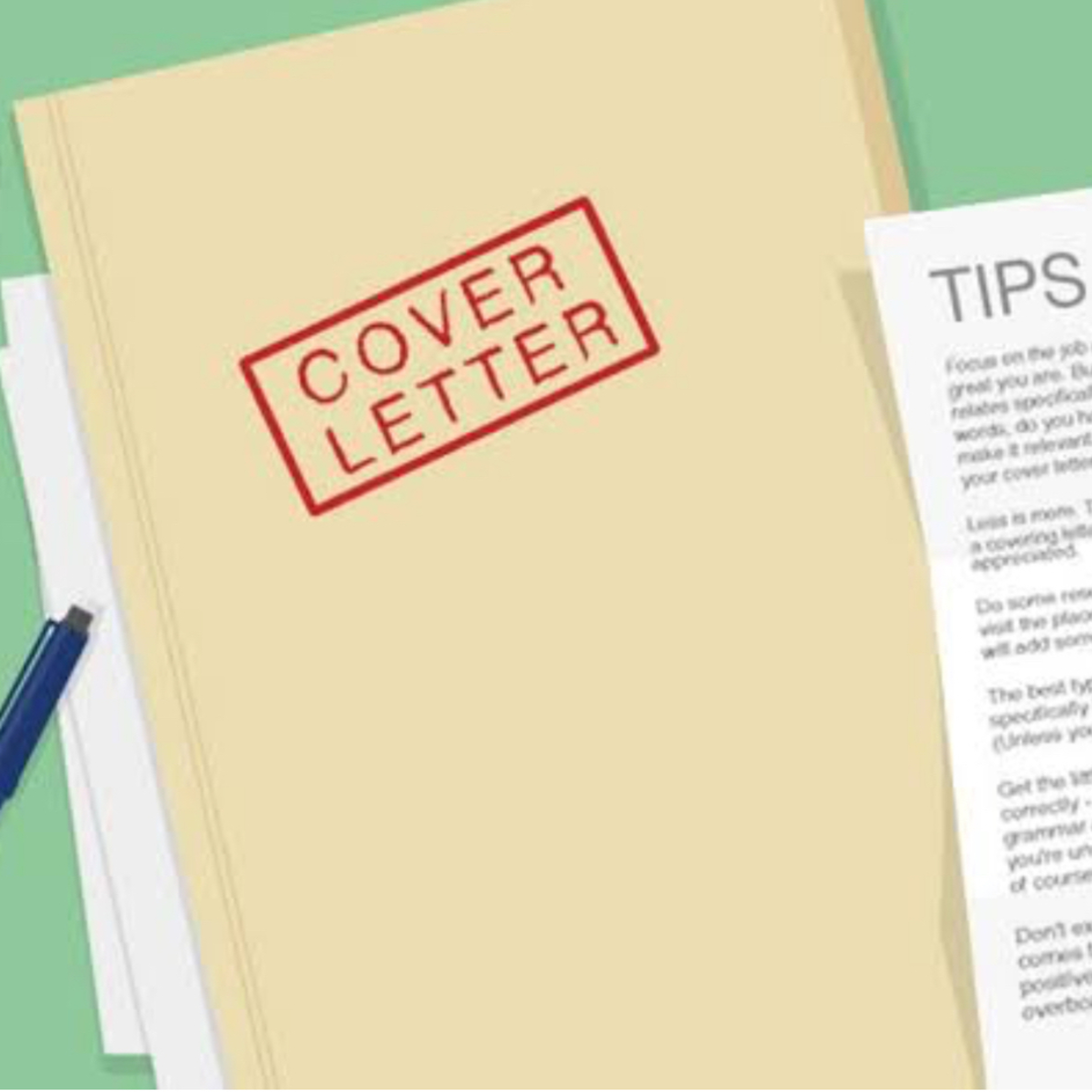
Academic Cover Letter Tips
from Higher Ed Jobs and Wellbeing - Your Education Podcasts · host www.AcademicJobs.com - Find all Higher Ed Jobs - Post Jobs to find Top Talent.
Crafting Effective Faculty Cover LettersThe provided text offers a comprehensive guide to crafting effective cover letters for faculty positions. It emphasizes tailoring the letter to each specific institution and position, highlighting relevant skills and experiences. The guide details the purpose of a cover letter—to showcase the applicant's suitability—and provides a step-by-step process for writing one, including research on the institution and the position's requirements. Length and content suggestions are given, varying by field (STEM vs. humanities/social sciences), and the importance of addressing both research and teaching experience is stressed. Finally, the text encourages seeking feedback from faculty on departmental expectations.What key elements differentiate effective academic cover letters?When crafting an effective academic cover letter, several key elements distinguish it from other types of cover letters.Content:● The cover letter should answer key questions about your qualifications and suitability for the position:○ Who are you?○ When will you defend your dissertation (if applicable)?○ Why are you interested in the position and the institution?○ What is your dissertation research about, and what are your future research plans?○ What teaching experience do you have?○ How will you contribute to the department and institution?○ Why is the school a good fit for you, and vice versa?● Tailoring to the Institution: A strong cover letter is specifically tailored to the institution to which you’re applying. This involves researching the institution's values, mission, and faculty to demonstrate your understanding of their academic environment and how you align with it.● Narrative of Your Career Path: It goes beyond simply stating your skills and experiences; it provides a narrative that showcases your career or educational journey. This narrative emphasizes how your skills and experiences have prepared you for the position you're applying to.● Highlighting Key Skills: The cover letter identifies and emphasizes the two or three most crucial skills the employer seeks based on the job ad and background research. It provides concrete examples of how you've effectively utilized these skills in your previous roles or academic pursuits.● Addressing Research and Teaching: While your CV provides a brief overview, the cover letter allows you to elaborate on your past research experiences, future research goals, and teaching experience. The depth of discussion on these aspects depends on the position and field of study.● Demonstrating Suitability beyond Academia: It's not just about showcasing your academic prowess; the cover letter also conveys your personal qualities, teamwork abilities, and commitment to making valuable contributions to the institution. This shows that you're not just a competent academic but also a valuable colleague.Structure and Formatting:● Length: The length can vary by discipline, but generally, humanities and social sciences cover letters are 2-3 pages, while STEM fields have shorter letters of 1-2 pages. However, consulting your department for field-specific standards is crucial.● Consultation: Speaking with faculty in your department, especially those who have served on search committees, is essential. They can provide insights into the specific expectations for cover letters within your discipline and offer valuable feedback on your drafts.By focusing on these key elements, you can create a compelling academic cover letter that effectively showcases your qualifications, research interests, and suitability for the desired faculty position.What distinguishes a cover letter's purpose from a CV's?While both cover letters and CVs are essential components of a job application, they serve distinct purposes.See more information on writing an academic cover letter at AcademicJobs.com
Embed this episode
NOW PLAYING
Academic Cover Letter Tips
No transcript for this episode yet
Similar Episodes
No similar episodes found.
Similar Podcasts
No similar podcasts found.