US voters abroad, have you got your ballot yet? All states are now sending ballots to overseas voters. So if you want to vote this year, you should request your ballot right away. Go to votefromabroad.org and click request my ballot as to receive a by email. Questions? Ask our support team directly.
Don't miss this Gents to Shape the Future. Don't delay. Votefromabroad.org. That's BOMBAS.com. One purchase equals one donated. Always.
Running a business shouldn't feel like surviving a software group project. One after accounting, another for inventory, another for sales, and somehow, none of them talk to each other. That's where Odu comes in. And all in one business management software that brings every part of your business together. From sales and accounting to inventory and marketing, all in one powerful platform.
No messy integration, no bouncing between tabs and best of all, no spreadsheets. Stop managing software and start managing your business with one unified system. Try for free today at odu.com.com. That's O-D-O-O.com.com. Hello, welcome to the Gutter.
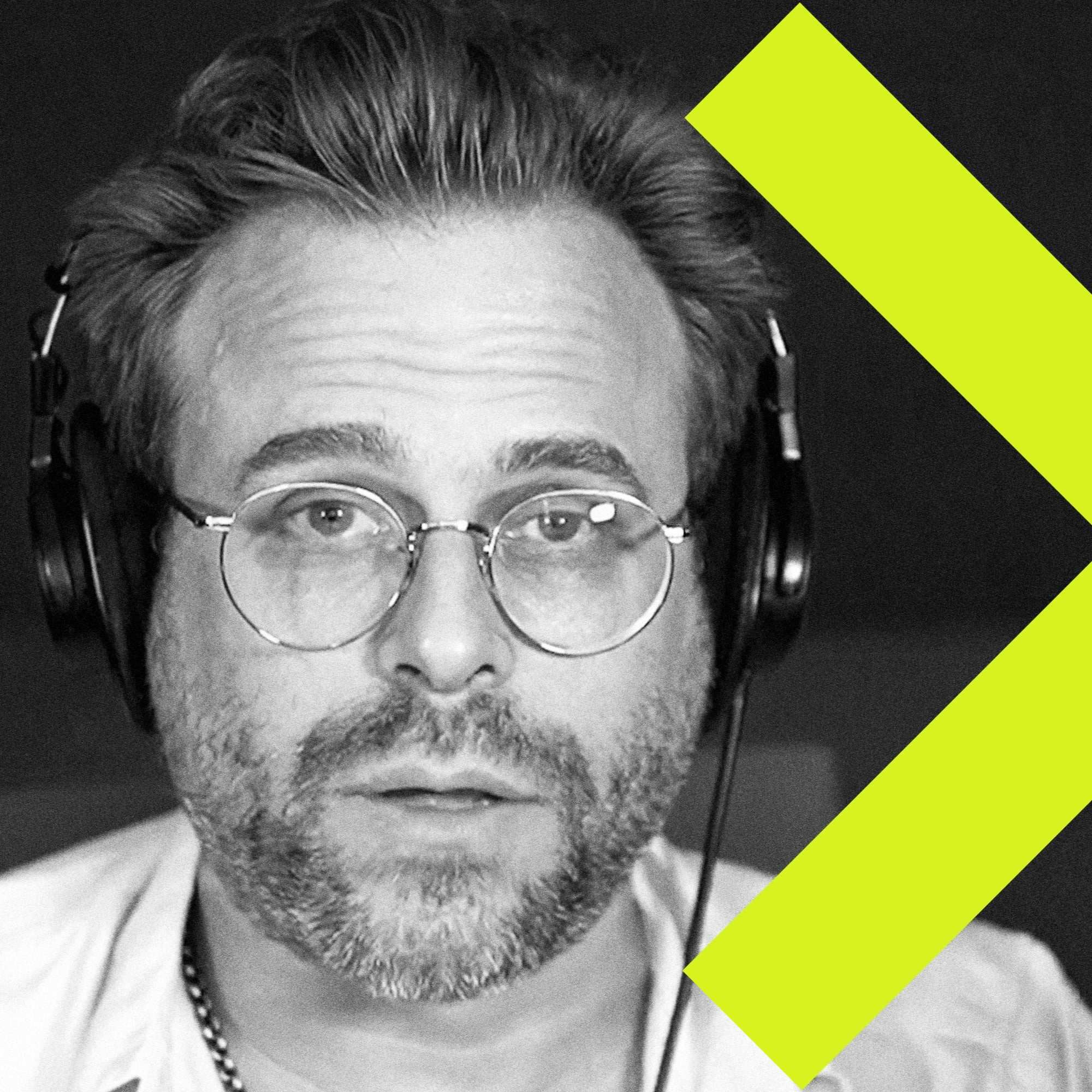
I'm the editor-in-chief of the Verge and decoder is my show about big ideas and other problems. Today, I'm joined by comedian, podcast host and YouTuber, Adam Conover. Adam is a familiar face to anyone who spent time on the internet. He got his start in, like, so many successful comedy writers that call in humor. That was before he transitioned to cable TV with Adam runs everything, and on to Netflix.
And now, all the way back to YouTube again, where he posts videos and hosts a podcast called Factually. You'll hear it right at the beginning. But Adam does not like to be called a creator. He's got a pretty unique perspective on it that speaks to how he sees tech platforms and their leverage over entertainment. We got pretty deep right away about what Adam thinks really happens to the TV business.
My Hollywood-seated entire categories of TV programming to YouTube and Chase to become Netflix and HBO. Here, I'm argue that YouTube is in fact a worse gatekeeper than the networks, because you can't actually argue or negotiate with a recommendation on them. There's a lot in this one we're going to get right into it. I think you're going to enjoy this conversation. You'll see that I really did. Please remember to subscribe to our YouTube channel for new episodes every Monday and Thursday.
Okay, comedian Adam Conover on YouTube, gatekeepers, and a business of making entertainment online. Here we go. Adam Conover, you're a comedian, your broadcaster, you're a YouTuber, you're a board member of the Writers of the United West. I'm sure you have additional titles. Welcome to the decoder.
I'm also a stand-up comic that's often how I describe myself as sort of my identity as a comedian, but yeah, thank you so much for having me. I'm a fan of the show. I have so many questions for you about this moment in media and entertainment. You have a view into all of it. Live comedy is a thing that is successful in America in 2026, and sitcoms don't exist, which is a video I just watched that you made.
There's some disconnect in how we make the stuff, how we distribute the stuff, how we pay for the stuff. Like I said, you have a view into Hollywood, you have a view into YouTube. Let's just start at the very beginning. I list off a bunch of things and you said you identify as a stand-up comic. How many roles do you have? How many things do you have?
I'm a stand-up comic. I'm a comedy writer. I'm a television host. I'm a member leader in the Writers Guild of America. I also now basically run a small business as a YouTube podcaster, which is me.
I recently hired my first full-time employee to help me do all the things I do, but beyond that, it's a bunch of freelancers. I'm one of many people trying to make my way in this new massively disrupted media landscape where the companies that used to make media seem intent on destroying themselves, destroying their own businesses, giving up large flaws of the industry to detect giants, which are trying to crush us under their heels. It's an interesting time to be a comedian, to say the least. I'm interested in all that dynamic between the tech giants and people who make content for those platforms in Hollywood. The Death Star of Hollywood seems as fraught as ever. I want to start with a really basic question.
You try to tell me that it's a YouTuber and a podcaster. Do you think you're a creator or an influencer? God. I don't like those words. I think a lot of people don't, but I do use them because that's the terminology that we've started to use.
But I feel the word creator was created by the social media companies as a way of tricking people into entering into an extremely inequitable economic bargain where basically they promise, oh, hey, Mr. Beast makes a billion dollars. You could be Mr. Beast. Why don't you work for us for basically free for the rest of your life in the hopes of one day will break off a little chunk of that revenue for you?
That is what they mean by creator. We used to be writers, performers, talent, Hollywood labor or media labor. Creator is like, you know, it's like when Avon or Mary Kay calls you an entrepreneur. Oh, you're an entrepreneur. You're starting your own business. Am I or is that an illusion that you want me to buy into because it obscures what you have done to the industry that I work in?
We're just going to get into it. This is why I wanted you here. So my thesis on Dakota and now increasingly on anyone else's podcast who will have me is the entire entertainment complex, all of Hollywood, to some extent now the music industry cannot acknowledge that their real competition is the army of teenagers who work for free on YouTube and TikTok and Instagram. And these platforms really do not pay any money. Instagram literally pay no money. TikTok may be a tiny fraction of a penny for every view that you get. YouTube used to be the gold standard. They just changed their rules.
It is now harder than ever to get started in the YouTube partner program and get paid actual money for YouTube. But people cannot stop themselves from expressing themselves. They cannot stop themselves from wanting to be Mr. Beast. And so there they are infinite free content for the tech giants and Warner Brothers and Disney and everyone else have to pay Hollywood celebrities to desperately try to get people to come to a box office.
And so the economic disparity that simply cannot be acknowledged because we do that in your Josh tomorrow or David's Ozlove. You should just put all your money in the S&P 500 and shut it down. I think I agree with most of that. I think that the competition is a little bit more fine-grained than that. Obviously the movies compete with TikTok to the extent that there's a limited number of minutes in the day.
But the movies are also competing with literally every other human activity. The movies are on that level competing with playing soccer in the park with your friends. There will always be a market for the high end of entertainment, right? Because new media forms never completely replace old media forms. They compete with them and take some of their share.
So people still read novels, people still go to play, people still listen to the radio. Right? Old forms of media don't go away altogether. There's always still a market for them. The market just gets smaller and a little bit more specific. Now the idea that David's Ozlove is competing with TikTok, I'm not entirely sure.
However, he is very specifically competing with YouTube because YouTube has really specifically gone into exactly the television space and they were doing it for about 10 years before the TV industry noticed at all. In the last year, people have started noticing. Every single conversation I've had in Hollywood in the last two years I have started with. Did you know that YouTube is the largest streaming service on television sets? Not on, forget laptops, forget phones. I know you know this in your life.
But I blow people's minds with this in Hollywood. And what those companies had realized was in their rush to chase Netflix. Netflix came in and disrupt them quite directly. And they said, okay, we all have to create our own little mini HBO's that everyone is going to pay $15 a month for. Obviously, that's ludicrous. That was never going to be a workable business model.
But that's what they thought for about five years. In their rush to do that, they destroyed linear television. They destroyed the cable business. And you can argue people prefer to watch when they prefer whatever. But what they never brought, what they never figured out how to work on streaming was about like literally 60% of television.
News, talk shows, comedy talk shows, lifestyle programming. They're Drew Barrymore show, travel shows, the weather, all of those things. They let go to YouTube specifically. And now when people are like, you know, I just kind of want to watch somebody talk about home improvement for a little bit. I want to hear somebody talk about the nicks.
I want to hear a funny person talk about the news. They go to YouTube first and it's all for free. And YouTube's entire business model is, we don't pay for content. We break off a chunk. If we make a lot of money, you get 50%. That's better than most of the other bad shares for ads.
But that is the thing that I think they still haven't grappled with. A couple years ago, I was pitching a game show. I had a huge piece of IP attached. It was, I thought, a good pitch. I went to a streaming service and pitched it. And they said, you know, here's our problem with game shows.
We can get people to watch one episode. We can't get people to watch a whole season in a weekend. And I was like, wait, your whole business model is if people don't watch a whole season in the weekend, it doesn't work. That's not how people watch game shows. Right? And so if you are conceding all of game shows along with all these other formats,
you're conceding a huge swathe of what used to be your business. And now you are only focused on the very high end. You know, you don't have all of that cheaper programming anymore. And people like me who used to make it, I'm in the writers because of what we call a comedy variety writer. I do nonfiction comedy.
I would, you know, the Daily Show, etc. Right? The networks literally don't make that kind of thing anymore. My old show, Adam ruins everything, ran for 65 episodes, hit for the network, second biggest show on TV. Could not sell a show, anything close to that now. Because they're like, well, if it's not like a high end prestige drama starring Adam Scott, we haven't figured out how to get people to watch that.
Well, YouTube has. And so people like me have been driven to YouTube with, you know, disastrous effects on the media landscape, on the amount of money that we make, but also the kind of media that gets made. I make a good living. I make a bow is going to living as I did as a TV host. I'm very lucky to do so.
But now I have a couple freelancers instead of a room full of writers, a room, you know, cinematographers, actors, all these funny people who made a really good comedy product. You know, now when you want to get the comedy news, you don't get to watch, you know, the Daily Show, there are those shows are going away. Now you get to watch Adam Schultz riff on the news with the street dumbass friends in front of a curtain for zero dollars. Right? Those shows have zero dollar budgets.
And the middle has like evaporated. And part of what I'm trying to do, like my whole thing in media right now is trying to figure out how to rebuild a little bit of the middle. How do I get a little bit of a budget so I can do something a little bit better than a podcast and a little bit closer to a television show? Because I think there's still a market for it. Just nobody is serving it currently.
And that's really what I want to dig into because I'm very curious how that budget comes back. If I just take what you're describing, when you were on True TV or if you made a show for another cable network back in the day, MTV, whatever it is, they had pretty good business models. Everyone in the country would pay their cable bill and MTV would get a piece of that money no matter what. And that was really lucrative. And not only could they afford writers, rooms, and cinematographers and people that hire the cameras and all those people could be unionized into better wages every year and all the stuff that unionized employees can do.
They also could afford accountants and healthcare professionals and benefit service people and highly paid CEOs. Like the overhead of the cable channel was massive and maybe it was always all wrong. Right? Maybe that overhead should have always flowed back to the content in some other way. But the business model was lucrative because the distribution was lucrative.
Because we had convinced everyone in America to pay for television. And they sold ads against the shows. Right? Like literally my show was just in the black. It costs this must make the show. We sell this many ads. We get here the rates. We get for the ads.
Here's the money we get from the cable company. The show is in the black. That's why we ran for five years. Most other shows on television are currently in the black. The problem that we have two problems.
One, the streamers don't know how to make a show in the black anymore. Like they're like, we have this many subscribers. How many people signed up for Apple TV to watch Windows? Right? Like if this weird math that they do, that's the first thing.
The second thing is they gave up, and this is a little bit my own theory. They gave up like decades of business development in the advertising business. Like why was CBS able to get a certain rate for the Colbert show? Because CBS has literally been negotiating with Johnson & Johnson for a hundred years saying, here's how much a spot on CBS is worth. When we deliver you to a million viewers, here's what they deliver.
That's like, you cannot rebuild that in an instant. And when Netflix said, trick to the entire industry into thinking, there's not going to be any advertising again ever again. And they all destroyed those businesses. And now they're trying to rebuild them on Peacock. Right? It's like they gave up a business model that actually made them money.
Then on the other hand, you've got YouTube, which is of course a massive advertising business, but it's completely scrambled. Right? It's like the advertisers that I'm able to get on my show are, you know, they're all the DTC brands. Right? It's MeUndies or whatever. It's Mule Kits, stuff like that. Subscription services. A lot of them are great.
But like, where's Cokan Chevy? You know what I mean? Like that is what used to pay for the media you watched was car commercials. It was Don Draper shit. And that is the part that like they didn't realize that they were throwing the baby out with the bathwater.
And that all of us have to somehow figure out how to rebuild. And I do have a theory for like how that might happen on the YouTube end that I'm currently trying to pursue as unfortunately a business person. Because I want it. I literally just wanted the David Zalvaz of the world to just give me a couple hundred grand a year and a union contract to make funny stuff. I don't need to make millions. Right? But now I have to be an entrepreneur. And so does everybody else. And like fuck, that's what I'll do if I have to.
But like I was very happy being a laborer in the media industry. But I don't have that option anymore. I think a lot of people, their dream in life was to be a laborer in the media industry. People who are good at cameras, wanted to operate cameras, costume designers, designed costumes. They want to specialize in the field they're interested in.
And now you end up being kind of a multi-hyphenate entrepreneur. How has that been for you? That shifted it? Did it wake up one day and be like straight on business for now? It's devastating. I do remember when I sort of shifted my business from I'm trying to sell TV shows first.
And second, I have a podcast to sort of keep my audience hooked and it's better to be like, oh, the podcast is the business now. And it was disorienting and it was disheartening. At the same time, I felt lucky to do it. But nobody tells me what to make except for the YouTube algorithm, which honestly literally does tell me what to make in ways that are printicious and that I grab it with every day. But I don't have to convince somebody in a suit somewhere to let me do something.
But I'm lucky because I already had a show with my face on it with my name and the title that enabled me to bring some audience along and build something. There are so many incredible writers, performers, technicians, artists of all levels who just don't have work now. I mean, my whole cohort that I'll move to LA in our 30s to make television. We moved here because there was an industry here. It was a business.
And that's why people moved to LA for 100 years. That's why I fucking, I don't know, J.D. Salinger and F. Scott Fitzgerald and people like that would come to Hollywood to write a couple scripts because this is where a writer could get paid. And now that does it appear to exist in the same way.
And my friends are all going to grad school. People are like incredibly funny comedians and writers and actors. It's very sad what's happened. And that's part of why literally my whole goal, why I'm trying to build over the next couple of years, is to get enough funding and to build a business model where I can employ a couple of comedy writers. Because that's what I used to do. I used to have funny people around me. We would come up with funny stuff together.
We digest the news and give it back to you. And I just want to create that system again, like a little bit of it so a couple people can have livings. I want to figure out how to get my YouTube channel under a union contract, you know, under a couple, a couple different union contracts. And there's a ways to go until we get there. But, you know, we're in the rubble trying to rebuild what anything close to the infrastructure that we had before.
And you said, you know, cable channels were expensive, etc. There was a lot of waste. There was also infrastructure that does not exist. And infrastructure once demolished takes a long time to rebuild. We had the authors of a great book called It's Not TV, which was a history of HBO on the show.
That's a fantastic book. I love that. It'll make you cry with what we've lost. Yeah, their entire executive's HBO and their job was to just identify and produce good creative. Literally, their job was to know crazy people who made great art and keep them calm and productive.
And I was a whole job and I could not identify those people anywhere anymore. Yeah, I know a lot of those people. I know good executives at all the companies and they either live in fear at a current streamer and are like clutching and hoping they don't get fired or they're going into other businesses. Like, and you know, good creative executives were a real thing that are hard to find. And we treasured as writers and those people are going on the way to dinosaur to unfortunately.
We need to take a quick break. We'll be right back. If you paid for the venue before revenue came in, built a marketing plan at midnight or chase the perfect headliner, you know what it takes to grow an event. That's why show pass created event incubator to give selected independent event organizers access to $10 million in growth capital plus technology, expertise and community. Applications are open through November 30, 2026 $10 million is on the table. What will you do with it?
Search show pass event incubator incubator with a K or tap the link to apply. What if we told you that there was one thing you could eat to reduce your risk of death by about a quarter? Interested? And what if we added that this magical substance can dramatically lower your cholesterol, improve your mood and keep your weight stable? No, it's not protein. It's actually fiber. The least sexy, most overlooked nutrient of all.
But what is fiber? How could one nutrient do all those amazing things? And how can you get enough? Is it powder you start into some water going to do it for you? All that plus the strange tale of the Gorilla poop obsessed, father of cornflakes in the latest episode of Gastropod.
Find Gastropod and subscribe wherever you get your podcasts. We're back with Adam Conover getting into the decoder questions and what it actually looks like to structure a business in a career like his. Yeah, you have brought me to the decoder questions because you're talking about a structure you want to build to achieve very specific goals. How is the business of Adam Conover structured today? You have one employee, but how is it organized?
Great question. I mean, it's sort of like everything everywhere all at once, you know, I'm doing a million things. I have a live touring business, I tour as a stand up comic. That is luckily a very durable business because no matter what happens in the tech industry, people are always going to go want to sit in the dark with a drink in their hand around other people. And maybe they'll want to do it a little bit less because they'll be on TikTok, but they're going to want to do it.
And there's, you know, buildings that are set up to give them food and drinks that'll pay for bring me out, right? And so that's good. I also do a weekly podcast, which is funded through those sort of DTC ads with my podcast network headgum, which is a wonderful partner. They do really great work. And then I also do currently biweekly monologues or what I call them, which are scripted.
And I work with a couple freelance writers and researchers in order to, you know, we write them together and then I deliver them straight to camera. And those are, you know, have a little bit more thought and work put into them. And we're able to currently sell those at a higher, you know, ad premium because, you know, when they pop, they get a couple hundred thousand on YouTube. They get millions of times on YouTube. The problem is that they underperform.
You almost immediately are having to have hard conversations with your advertisers and it's very hard to get anything pre-funded, right? So it's you're constantly sort of trying to keep your head above water with that piece of it simultaneous with those two things. I'm trying to figure out, you know, the next piece. I just produced a stand up comedy special for myself entirely self funded. I recorded at the Den Theatre in Chicago cost me five figures to shoot because I want to do it properly and make it look good.
And that will be coming out on my YouTube channel in October. Hopefully with a sponsor so I don't like lose a bunch of money at it. If I do, hey, at least I got, you know, it was an hour of my creative work. I spent two years working on this material. It's very important to me. People will see it. And hopefully it'll fuel my touring business, you know, the sort of days of a large company buying your stand up special.
YouTube is a really great example of YouTube creating a race to the bottom because Netflix, you know, in its destruction of cable, its destruction of comedy, central, largely destruction of HBO, set itself up as we're the home of stand up comedy, right? And they do have a kind of stand up comedy on their platform. But YouTube has even more. And when people are watching stand up, I just want to watch the stand up comedy special. They're more likely to go to YouTube first. And as a result, more and more comedians are saying, well, I'll just record it and I'll put it on YouTube because, hey, maybe I'll get lucky with the algorithm.
There's been a couple examples of that and, you know, I'll hit the jackpot. And honestly, the streamers don't pay enough unless you're the biggest, unless you're the very high end, you know, if you're like someone incredible, like Ali Wong, one of my favorite comics in the country, you know, she's able to, I'm sure she has a great deal, right? If you're entry level, you're looking at it going, well, I might as well just do it on YouTube, right? Because I might lose some money either way or I might not make that much. Why not just control it and put it on my own channel?
And as a result, YouTube has like totally just undercut this sector of the market. And that's what I've experienced. I'm sure other people in, you know, music, other forms of media have experienced the same. The last piece of it is I am constantly trying to find my way in the new media ecosystem, which is to say, people are starting to have this intuition that the future of YouTube is television, that the ad dollars are eventually going to come, that we're going to be able to figure out the business model. And so it's starting to look like you're going to be able to get investment to create something that looks a little bit more similar to an old cable pitch process.
You know, I literally, God forbid I made a deck that I'm going to be taken around trying to say, hey, will you do it by hand or did you just like, I'll do it for you? I've seen a lot of Claudex lately, man. I'm just asking. Look, I do not work with AI or creative stuff. I did the first draft by hand. I have a graphic designer who has made my career committed to human labor, my friend.
Look, the whole point of life is to be around other people. Is the point of life to make decks? Come on. The deck is part of the creative process. Like literally I figure it out. I figure out what the show is by writing the pitch document, right? And you think about if I'm going to be able to sell this to a person to get them to put money into it, then I can sell it to an audience.
That was part of how the TV process worked. And so I'm starting to try to figure out what that is in order to build what I hope will be the future of what we used to call it late night or topical nonfiction comedy on television, sort of merging the monologues, the interviews that I do currently into something that feels more like a TV show. That's my project for the next couple of years. And then hopefully I can employ a couple people and give them health insurance. But that's a big leap to take. It's not necessarily a slow gradation where you can just build it piece by piece. At some point, you're like, I kind of just need a couple hundred grand to do this.
Or else I can just keep making the thing alone in my apartment, which is not what I got in the business to do. I mean, it's great, but I would like to do more. I'm going to ask you the other other questions, and then I want to push on some of this just a little bit. Please. How do you make decisions? What's your framework for making decisions? You obviously have a wide range to make.
Wow. This is... Don't worry. Some of the big videos in the world have just deer in headlights at this question, which I think is fascinating. You cut to a deep therapy question for me.
That's all the show is important people doing therapy with me. Decision making is really difficult, man. I'm trying to embrace more of the build in public ethos of the internet and say, you know, I'll put it out there and we'll see how it does. And we'll learn from that. I think my best decision making works that way.
That is how you build a stand-up set is you go do jokes and from an audience, half of them don't work. You stop doing them after the third try when it doesn't work. And then you come up with something new and then the ones that lived are the ones that are the special. And I've been trying to apply that more to my scripted and my podcast interviews. But sometimes you got to take a flying leap and say, let's try to do this.
I mean, the hardest types of decisions to make are the ones about the business itself. So I'm like, OK, I have a limited amount of time in the day. Do I try to create a new piece of YouTube content for my Avod audience? Or do I try to create something special for my Patreon audience? That's a big chunk of my income as well as people who pay to subscribe.
Do I make a custom podcast just for them that only a few thousand people are going to hear rather than the hundred thousand that might hear it on YouTube? But those people are paying for it. And if I put good content there, maybe it'll grow. You end up making those sort of decisions in a vacuum. And all you can really do is follow your intuition and adjust when it doesn't go well.
The last thing I'll say is my oldest decision making rubric has always been I try to imagine myself as the audience. When I was first making a cable show, I was very lucky that I grew up watching Basic Cable and I got to make a Basic Cable show. And I imagined I'm 15 years old. I'm sitting on the floor watching the television set. What would get me excited?
And I try to do that same thing with YouTube and podcast. If you're thinking about the audience's experience as someone who's creating things for an audience, you'll hopefully never be steered wrong. I'm very curious about that dynamic in your decision making because I personally am always we should start with the audience. And then unfortunately I keep getting older. And the young audience came up in a totally different media environment.
I started as a blogger and famous newspaper columnist who would not give me the time of day to events. And now the Tiktakers look at me like I'm Gandalf at the events. And they call me the mainstream media, which is deeply hilarious. And my calibration towards the audience has largely been, oh, they don't know. They don't know that there was another way.
This is the only way that they've known. And if I don't participate in these specific ways, I'm actually so different. I'm not incompatible. I'm trying to plug the old USB cable into the new USB port. It doesn't work.
And the thing that really gets me at that, the pressure on all the platforms and all the creatives in the world to just go direct to the audience right away, for free, is at an all-time high. And then the expectation that you will monetize that is that you will get a brand sponsorship. You went viral twice on TikTok and some supplement company is going to show up. And you're going to read the ads for the green powder that makes you more virile, or whatever it is they're promising today. There's something about that that feels very dangerous to the creative process for me.
And you're scratching at it with what creative thing am I going to do today? And maybe the rubric is the Patreon people are paying me this much money, but the audience might grow on YouTube in this way. And maybe I just want to make the most viral thing that the algorithm is telling me to in this way. I've truly struggled to manage that dynamic. What is the most economically lucrative thing to do?
What is the thing that will get me the most attention? And what is the thing that lets me stay pure of heart? What is the thing you actually want to do? What is the thing that makes you, you're doing the thing that got you into the business in the first place? That made you want to go to college for the thing, or made you get that first job.
Which is saying the iPod is better than the Zoom. Just make that video every single day for the rest of my life. That would be great. I just want to goof off with funny people and say something and come up with something new to say with them. It's really, really hard. So a couple answers there.
First of all, in terms of what the audience expects now, it's true. I talk to people in their 20s, and literally the way you and I would talk about MTV or Comedy Central is how they talk about early YouTube. That is their culture that they grew up with. And you can't ignore that. And sometimes I'm like, alright, is my desire to do something that feels more like a television show?
Am I just being an old man about it? Should I just do the new thing? I look at people I really admire on YouTube like ContraPoints and H. Bomber Guy or YouTube video S.A.S. I adore.
And they do this very specific internet native model where each of them makes one three hour long YouTube video once a year. That is so amazing that they have a massive Patreon audience and they take no brand deals. I'm like, do I need to do that? Well, they built that organically. They started that when I was working on television. That's not who I am. That's hard for me to do.
You don't want to be the Steve Buschimi mean and show up and try to do the thing. If you started making a ContraPoints video, I think that would be pretty good. I would pay extra for that one. Okay, I mean, you know, and she does her videos by she writes and films and edits and decorates every single piece of that herself. And that's not the way I've ever worked. And sometimes I go, do I need to do that?
Well, it's special when she does it. It's gonna work on I do it. At the same time, you know, I do have this belief that, look, I always want to make a late night show, right? That is still a goal of mine. There's other things I want to do too. I'd love to do a travel documentary. I'd also love to do a late night show.
Everyone says late night is dying. Except that millions of people still fucking watch it on YouTube. Right? Well, bear was getting millions of views on every single thing you post at the Daily Show still does, right? But no one has built the digital native business model. And you know, YouTube videos are getting longer.
I'm like, I still have an intuition at the end of the day. I think people still want to sit on the couch with a drink in their hands and their partners' feet on their lap and like the dog next to them and watch something that's 45 minutes long and watch a funny person, like give them some relief about the news of the day and have it be funnier than just a bunch of fucking riffs. Bringing those two sensibilities together is the job of what I'm trying to crack. Figuring how to do the same thing on YouTube and you know that has a flavor of the old style. I think the success of stand-up comedy on YouTube and on vertical video is a good example of this where it's such an old art form and yet it really performs well.
People do still want it. The piece of how do you do what is economically successful? That is the really difficult part because Hollywood at its best. Obviously not all the time. But Hollywood at its best was I have a good idea. There's someone working for the company who sees that it's good. They buy it because they know it's good and it's so good other people will watch it.
And then they give you money to make it good. And on some level you can go to them and say they're like we don't want to pay for this. And you can say yes, it's going to be really good though. And if you convince them you can get the money you can make the thing. This is literally how I made the last show. My old show on TV cost like $700,000 an episode to make. A million by the end.
And it was because it was good. They made enough money off of it that they kept it going. But when you are literally just chasing the algorithm for every single click, that is a lot harder. And so it disincentivizes experimentation and disincentivizes putting the work in to make the thing good. So for instance, the stuff that I do the best at that I get the best numbers on YouTube are when I talk about AI and I'm critical of the tech giants.
My top YouTube video ever from my recent run is like Elon Musk is just dumb. That's the name of the video. That's going to be the title of this video. Can you do it type 5 right now? Absolutely. It would pick an hour. But I also have other things that I want to talk about.
And I just made a video that went into for instance the history of leaf blowers. Why even though gas powered leaf blowers are banned in California? Why did I literally walk by one on the block today? There's a fascinating history behind it. Leaf blowers are horrible for the environment. Really interesting story. I was like, oh, I heard about this.
I want to make a video about it. I spent three weeks making the video. Got 50,000 views because it didn't. I don't know. Maybe I could have a better thumbnail. But like it wasn't what the Algo wanted for me today.
And so I'm going, all right. Do I only talk about AI now? I would like to talk about other things. And people click subscribe on my channel. I can try to grow my audience.
But they click subscribe. They're not going to see my video unless the Algo shows it to them. So I want to ask about this because this dynamic is very real. Especially if you think about data driving every young creator. Because they're just trying to get started. And so the data is going to drive them.
It's going to have an outside influence. No matter what. You have some history. You have some beliefs on what people might want based on what people want in the past. You're going to make a late night show.
You're going to take that risk. The young creator just looks at the view counts and says, well, this got me views. I should get more views. We've had basically every platform. CEO on the show. We've had Neil from YouTube.
We've added him from Instagram. And the argument they would make in response to this whole conversation. And I'm going to try to do justice even though I mostly agree with you. But I'll try to do justice is look, what you're describing in the 80s and 90s and early 2000s was a series of gatekeepers that were inaccessible to most of the people in the world. So I'm at Kated Rep in Wisconsin. I wanted to make a late night cable TV show.
That path was almost totally foreclosed. Unless I moved to New York or Los Angeles. Got a job as a waiter and then tried to hustle my web through comedy clubs to meet one person who might decide that I was talented. And that meant mostly gatekeepers existed and mostly people were left out. And the economics of that might have been great and might have created a large middle class because there was enough overhead in that system to pay for a large middle class of creatives.
But it mostly locked everybody up. The social platforms create instant marketing opportunities for everyone from their bedroom. So if you're a young comic in the middle of the country and you have no ability to get into the comedy cell or in New York because you can't just work for free in that specific way, you can just film yourself talking on TikTok and get a little bit of an audience and maybe you can drive an audience to come to a club near you or whatever it is you're going to do. And that pathway to get the exposure, which is necessary at the beginning, exists in a totally democratizing way. And the economics of it might be bad, but many, many more people have the opportunity.
And I think about that, I think about my own career. I started as a blogger working for AOL for $12 a post. And the newspaper called this, who are now very sweet to me. They have very sweet to me over the years. But I got to compete with them in a way that previously would have never gotten to compete with them.
And I can't quite reconcile how badly I feel about the economics of the industry today and the amount of opportunity that has created for so many other people. So I have a clear answer to this, which is that to the people from YouTube, I would say, well, you're the gatekeepers. The algorithm is the gatekeeper. Of course it is. Talk to us about like literally, like try to start something from scratch.
Try. Try to build from getting 200 views that the algorithm gives you. And like, tell me that's not a gatekeeper. Like, yes, the battle days, we had NBC, CBS, ABC, and that's all you get, right? Those were big gatekeepers you had to please them.
Now, we have YouTube, Instagram, TikTok. That's all you get. And in fact, YouTube doesn't really compete with Instagram and TikTok directly because it's completely different. This is not the horizontal thing. It's on streamers and the way those aren't. So really, it's like, it's literally just YouTube.
If you want to do broad swaths of content. That's a fucking gatekeeper. Like, like, you think MrBeast is like good at what he does? Like, he pleases the gatekeeper. That's literally like, look at any interview with him.
It's about like him figuring out, okay, this has this many views, this has this many views, this has this many views, right? Now, the argument that you're making at the gatekeepers were gone and the internet was democratizing. That was good when it was people in charge of it, right? Do you remember back when we used to email memes to each other because like, you saw the video of the new manuma kid and you're like, oh, that kid's funny. I'm going to send it to my friend, right? Because it was like large swaths of people in charge of like the distribution.
It is not anymore. Like, they are taking some very loose signal from our swiping and turning it into like algorithmic control of what we see. And they have more power than anyone who ever worked for CBS or ABC ever did. And it's actually worse because people aren't in charge of it. Because if you went and talked to any of them and said, hey, you're in charges, they would say, no, we're not. Just an algorithm.
Well, that's actually worse. Because at least in the old days, there was someone I could go impress. There was a person I could go talk to, you know. If you go talk to a streamer now and you try to convince them, you know, Netflix for instance, hey, this show is a good idea. They'd say the algorithm said it's not. Like, that's basically what it boils down to. They don't have the leeway to make decisions with rare exceptions.
And the good shows are when the exception gets made frankly. But it's ludicrous. Like, the media ecosystem now is more concentrated, more closed off than it ever was before. The only difference is now anybody can upload anything for free and YouTube will host it for you. And that's good from like a user perspective.
If you just like literally want to upload a video of your baby and send it to your sister, like that used to be a lot harder. YouTube like solved that problem for a lot of people. But in terms of a broadcast medium, it's just grotesquely exploitative. Like, okay, imagine if driving for Uber, you didn't get paid. Instead, you got to try to drive for Uber for years.
And if you, and they're like, oh, if the algorithm says you're really good at Uber, maybe we'll start to give you a little bit of money. Like, and everybody in the country was doing this simultaneously. That is what the media ecosystem is. And it's bad. It's bad.
We need to take a quick break. We'll be back in a minute. Oh, safety is not a feature. It's our purpose. Rigorous crash testing. Decades of learning from real accidents.
Innovations that help prevent accidents before they happen and help protect you when they occur. Going above and beyond industry standards. A vision of zero collisions. All those legacy revolves around you because safety is about helping to keep you and everyone around you safe for life. Learn more at VolvoCars.ca slash safety.
If you paid for the venue before revenue came in, built a marketing plan at midnight or chase the perfect headliner, you know what it takes to grow an event. That's why show pass created event incubator to give selected independent event organizers access to $10 million in growth capital plus technology, expertise and community. Applications are open through November 30, 2026. $10 million is on the table. What will you do with it? Search show pass event incubator, incubator with a K or tap the link to apply.
With export development Canada, Canadian businesses are competing, leading and winning in more international markets. Like how agro food businesses are strengthening global food supply and critical minerals are powering industries of the future. Their ambition can't be contained. And with EDC behind them, neither can their growth. Export development Canada is the financial partner for Canadian businesses going global. Visit EDC.ca for more.
We're back with Adam Conover discussing the new gatekeepers, the online recommendation algorithms, and how to concentrate power and create incentives for everyone. This is the other thing I wanted to ask you about. You mentioned you know you want to have a unionized talk show on YouTube. You're not here at some people. That's not a cost. We're running union shop here. There's costs associated with all that.
And those are good costs. I think we need to come to pay those costs. You need the economics to work. And you need a digitally native business model for that. I look at how that works today.
And that mostly looks like big lucrative brand deals. You need a Coca-Cola or a Chevy or a Ford or whoever to show up and pay you a bunch of money to be integrated into your show. And you Adam Conover eventually have to drive to every guest house in your Ford Fiesta or whatever it is and then open it and in the back it's full of supplements or whatever that money is going to look like. Because the advertising has to be integrated in the content and then that has to reach scale. And that is where that money comes from.
Are you comfortable with those integrations? It's very different in me for news. But sort of on the YouTube entertainment side, that pendulum has swung and has been swung for a long time. I mean I don't love it. And you know you're constantly being asked to make compromises and make deals that you'd rather not make.
What we're doing is we're going back to the old days in so many ways of media. Like again, YouTube is ABC, NBC and CBS rolled into one. What were the earliest days of that broadcasting? Like it was the Marbero Comedy Hour. Where all the comedians would say I love smoking Marbero cigarettes in between every single joke. That was how television as an industry began.
We eventually separated those out. The commercials were run in between the shows. And it was never like it is at the New York Times where the ad sales never talks to the creative. But generally I made a basic cable show for years that half of our episodes were taking apart advertisers and talking about diamond engagement rings and razors and how capitalism was made. And we never got push back. We had like one time they were like, please don't do something about the NCAA because we broadcast that every March.
Like it would be stuff like that. But it wasn't, you know, they had the separation. Why? Because the audience likes it better that way. It just took them a couple decades to figure that out. And right now we are in the period of a couple decades where we're having to figure that out again.
I see YouTube literally trying to rebuild that model very slowly. I think what YouTube is, and this is a little bit of my own theory. I think what they're trying to do is they don't want to be the channel. They want to be the cable company. And they want the channel, like my channel, the Adam Conover channel, to be the cable channel. So they want me to make the brand deal and me to do all the business development.
And they're just the pipe that takes a bunch off the top. Great business model that can make it happen. But they know that they want to level up the production value. And so what are they doing? They're not giving anybody money, but they are starting to promote shows more. They're doing their own up fronts.
They're trying to connect people with advertisers. They're trying to sort of spark the pilot light of this a little bit. But without actually putting money or infrastructure or investment into it, they're just like, can we just sort of like boost you guys up a little bit at the same time where Netflix's model is the opposite. We'll sink the money into the production and try to make the thing at the high end. And that's a really interesting competition. Unfortunately, it's a competition between two giants.
I think that like we could get there by the time I'm like 60. And hopefully at that point I'm hosting a show and there's ad breaks in between and it's not too bad of an integration. But we're in the world that we're in. Yeah, the reality is I would love to do a totally pure show where I'm just subscriber funded. I would love to be ContraPoints or H. Bomberguy. But what that model pushes you towards is I do it all by myself. My costs are zero.
And so what do I have time? And I put in infinite amounts of time. If I can put in infinite amounts of my own time, then I can like get rewarded with subscriber money and the subscribers will pay me almost because they know that it's like just me doing this, right? But I just don't want to work that way. I want to work with writers. I want to work with other comedians. I want I want camera people. I want like a whole I want a team.
You know, like it's just a kind of to do that. I need to get advertisers and that is currently. Yeah, that means like dealing with a lot of bullshit that you would rather not have to and having to get like make compromises that you would rather not. And yeah, it sucks. I don't have a way around it.
I certainly know a lot of creators who describe the lifestyles being really lonely and have taken to even calling other creators their colleagues in order to create that sense of comeraderie even though they are largely competing for the same minutes on the same platform in terms of attention. I want to ask you about the advertiser thing. I basically asked you about crypto advertising. You got a lot of trouble because you read a crypto ad. Sam Altman's I think World Coin.
Yeah, this is the hardest thing. Right? Like for all I know, the ads on our show are going to be a bunch of AI companies and crypto companies and I we do have the wall, right? We make journalism here. I get to say I have no idea what happens there. Take your leave it. The integrations are where people get in trouble and you read the ad copy you took the money.
The audience was very happy with you. I actually didn't take the money. I turned down the money. I took the ad down and yeah, I was not paid for all the trouble I got in. Well, I mean, why can you throw all of that? It's walking through saying yes walking through then saying actually this is bad on taking it down. I don't want your money.
When you're in this business, like you you have to look for ROI, right? You have to look for someone wants to pay me an outsized amount of money to do like not that much work. And that's the way you make the entire business function because like the first is the YouTube monologues I do are incredibly effortful, right? But I'm still trying to make a living. And so if someone's like, hey, we want you to what example of this I do in live performances, you know, I'll get hired to like host a gala event, right?
And that like pays more than a normal stand up gig, but it's actually less work. And so you sort of need some of that to pad out. So, you know, the Sam Altman's Orb Company comes along and says, which you guys have covered quite well on your site and says we want you to come to this event and just make a video at the event and publish it and we'll give you a bunch of money for it. And I was like, well, this product honestly looks like fucking garbage. Like it looks like one of the worst products I had ever seen.
And I was like, they want to pay me a bunch of money to my audience is going to hate this. Yeah, sure, whatever. Like that way I can like literally, you know, use that to fund some of the stuff that I want to do. So I go and do it. And yeah, the, you know, it comes out. People are very unhappy with it because it's a, the premise of the product is like deeply unsettling grotesque surveillance oriented, right?
However, when I was there watching the keynote, I was like, this is the most comical vaporware I have ever seen. No, this is never going to come out. No one is ever going to do this. This is so ill conceived. It's, it's the biggest hurt I've ever seen in tech.
So that was my evaluation. How could I expect my audience to see it that way? Right? They only saw the horrible version of it. So what I, what I eventually did was I took the video down.
I turned the money down. I was not paid for it. I instead made a YouTube video where I talked for about 25 minutes about how grotesque and stupid and bad the product was. And I was able to do, I think a pretty funny and incisive piece of commentary about it because I was at the keynote. And the only reason I went to the keynote, I was at that part of the reason I went was I just thought that this thing was going to be weird. And it was.
And I wanted to go see, you know, like it's, it's a little bit of like, you know, look, you loin around. So I ended up making a video that I was very proud of as a result of, you know, this fiasco. I did not monetize that video. So I didn't earn any income off of it. I think a lot of creators go through this moment where, you know, you're constantly being sort of like led along and tempted, right? And, you know, sometimes you like step over the line and you don't even realize you've done it until after you've done it, right?
Like, well, I thought I was behaving with integrity in the moments, but looking back, why would anybody think that I was? And does that mean I really did? That's, I mean, that's the situation that we're in, right? And I'm happy to say that I fucked up by doing so. I also believe, you know, you make mistakes and then you acknowledge it and you, you know, do something corrective, which is what I did.
Did my best to do. And luckily the, you know, the lion's share of my audience like, was like, oh, this video was really great. Thank you for the thorough explanation and, you know, if we're inviscinating the process. That thing is hilarious, by the way. I will encourage people to watch your video and all the other video. Any coverage of the orb that isn't literal spawncon is like, what are we doing here?
Let me ask you about this. You, you obviously learned a huge important lesson. If you had worked in a media company of any kind, entertainment company of any kind, that would become institutional knowledge. Right. Right. We screwed up. We're never going to do this again. Now a bunch of people have had this experience and when the new people come in and they try to do this thing again, we're just going to say no.
But you have to do that alone. Every creator has to do that alone. My joke on the show for ages is every YouTuber gets their wings when they make the video about how mad they are at YouTube. I'm about to make that video actually. I'm, I'm going to like to load it. Finally, you're going to grow up.
This actually might be it on it. This is the beginning of it. Yeah. Well, the reason I asked that is, you know, in the old way there were unions who are part of a union, right? And the union and, you know, the big Hollywood studios would negotiate.
These were repeat players. So the negotiations were even if they were antagonistic. They were towards a common purpose because we're going to do it again in three years or whatever. And that created a kind of institutional knowledge, a set of shared goals at the very least, if the tactics and specific negotiations that he did, at least the goals are the same. Yeah. No one can do that with YouTube. Ben Smith from Senna4 was just on the show and he said, people are building real businesses, real careers on YouTube, but YouTube has probably to its own benefit into the detriment of the media industry, built a system where it's for individuals and no one has any leverage except for YouTube.
Yeah. You and I cannot get together and go demand terms from YouTube. If we got a thousand YouTubers together to demand terms from YouTube, they would still laugh. They would take the call. They'd say there's another thousand teenagers who work for free. Good luck. How do you change that? You have a very unique perspective. It's organized against Hollywood. Can you change that as to the platforms?
Well, the first thing I say is I actually don't think the organizing target, if I'm putting my labor organizer hat on, I don't think the organizing target is YouTube itself. I think it's the channel, right? So I wouldn't try to organize YouTube. I try to organize Mr. Beast's staff who you've probably done some reporting on yourself are horribly abused and underpaid. And, you know, that is like the reality of the economy, right?
So it's actually not the case that the biggest YouTubers are all individuals. The biggest YouTubers are companies, right? Go look at Adam Savage, right? Like that guy is basically doing a cable show every single day. I go look at Hank Green. I love Hank Green. And I look at him. I go, how many people are helping to make these videos? You know what I mean? Like who's? Who's? It is a large scale enterprise? You know, if you want to do something that's big and constant and brings in the money and etc. And it's YouTube. It's in YouTube's interest to encourage those big channels to get bigger.
And so the world that I foresee is sort of, you know, monopolies or consolidation or sort of a law of economics unless you've got a strong interest to prevent them. I see YouTube getting even bigger. The bigger channel is getting even bigger, right? And then getting them getting big enough to organize. So I mean, like, you know, you said yourself, you're the verge, you are a YouTube channel and you have a unionized staff.
And we're starting to see that happen in the YouTube space. You're starting to see the staffs of specific channels unionizing. I also think that if you've got, you know, if those big channels do grow big enough, you know, could the top hundred channels go to YouTube and say, hey, we're not going to do that? You know, if you want to see the big channels go to YouTube and say, hey, we demand a better split. Yeah, they could.
Is that going to benefit all the people who work for the channels? Probably not. But it becomes more of a B2B negotiation, right? It becomes more like, you know, because we're like, is the, when the cable channels were arguing against, you know, spectrum and charter and all of those, right? They would have those carriage battles, you know, those kinds of wars. It becomes that kind of dispute.
And so like, you know, YouTube is creating itself as a cable monopoly on top of the internet. And I think that's what the dynamic is. However, the original point of the point of the creator economy was to, like, separate labor from each other. And in fact, make the labor so invisible that even if you're not doing it professionally, you're kind of doing it all the time ambiently, you know, like when you open, you know, YouTube or Instagram, how often are you watching someone doing it professionally versus how often are you watching someone do it for fun, right? Or having one video go viral or making one video a week to promote their dentistry business or making one video week because they hope to go pro but they actually never will and Instagram hasn't told them, right?
That's a huge sort of dark matter, right? Social media. No, those people we paid. Those people are truly ununinizable. And what it'll eventually take is, sorry, the government, like making some regulations around this, right?
And where we're starting to see that is if you look at how different states are treating like gig workers, like rideshare drivers, you're starting to see that sort of like action happening. There have been battles in California, other states as well. They're slow. We're certainly not close to being all the way there. And again, to me, this looks like we're doing the history of the labor movement again. Like the capitalists have consolidated. They figured out a new industrial revolution that has impoverished everybody and had us work for Penny Wages.
And it's going to take, you know, a lot of people organizing a lot of labor power government, you know, get it, like figuring out that there's a problem in doing something about it. It's going to take decades. Hopefully it won't take violence in the streets, which is what it took, you know, during the late 19th and early 20th century as the labor movement, you know, was finally working its way towards labor peace. Like, so often when I think about these things, everyone wants to say, oh, it's new. It's new. It's new. Actually, we've gone back to the beginning in so many areas.
One of our great reporters, Miyasato has a line in a piece that she's working on reporting out that influencers are the new gig workers. And there's just a lot of echoes in there. Oh, yeah. I want to end by asking about Hollywood. You've come out very strongly against the Paramount Warner Brothers merger. There's an argument and everything you're describing that you should just let Hollywood kill itself.
You should just let David Ellison spend all his dads money buying a studio, running CBS News into the ground that these things are doomed. And there's a version of this where the big fights to stop them from killing themselves so that the writing staff of whatever show on whatever network can persist for a little longer just slows down the apocalypse. Like, you can't fix it. Do you think it's fixable or you just trying to slow down the apocalypse? First of all, I think all effort that you put into fighting this shit is good effort, right? So even if the Paramount Warner merger happens and it just costs them a lot more time than money, well, that'll make the next monopolist think a little bit longer about the next monopoly, right?
And we are starting to see like an ethical shift in antitrust. I mean, even, you know, people like Lena Kahn and Alvaro Bodeo are doing amazing work out of office. You imagine a democratic power again. Even the Republicans are starting to like do antitrust a little bit. So we are making progress there. The most pernicious lie that tech industry tells is about its own inevitability.
Oh, oopsie. Oh, it was just, oh, hey, we just invented something so good that everything you used to like has to die. Oh, sorry, you got to deal with the program you left in the book. No, these people like killed our businesses purposefully with mal-intense, right? The first time this ever happened to me was like, you know, the Facebook pivot to video era.
When I used to work at college humor, we had a great business making videos on the internet. Facebook lied about the traffic that very videos were getting. We pivoted a huge amount of business to Facebook and it cratered a huge amount of college humor's business. College humor later became dropout, which is a wonderful media success story that I'm really proud of. But, you know, it's that kind of thing, right? It's like when you look at this shit, half of it is just Mark Zuckerberg lying to people over and over again.
So we don't need to accept it as some law of the universe. The last part of it though is I don't just make this argument because, hey, I miss having union health insurance and I miss hanging out with funny people writing stuff. Of course I miss those things. Of course I'm sad, you know, about the death of the creative class in Hollywood. But also, like, I got into this because I like movies. I like television. People still do like movies. Like, talk to people. They're not like, oh, I never want to see a movie again.
They're like, what happened to the good movies? Go watch Terminator 2 with anybody. And they'll go, oh, I wish I could see a movie like this now. Oh, why won't they make me this movie anymore? You know, and look at the box office having a really good year because they made a couple good fucking movies this year. Big movies and small movies, right?
You got the obsession in the back rooms. You got the Odyssey. Even like the fucking Marvel bullshit had a pretty good year. We love this art form still. The movies are like America's, one of America's greatest cultural legacies. It's like the movies, jazz and soul food, right?
Like, the three of America's three biggest contributions to world culture. Like, we can't let it die. And the fact that like this entire art form is very effortful takes a lot of money. It doesn't mean that we should never, we should accept a world in which it just doesn't exist because a couple of billionaires want to be. A couple of billionaires want to lie and steal from each other. Like, we don't need to, we don't need to accept that world. We can, in fact, have a world that has room for both YouTube and television and the movies.
And by the way, plays and novels and all the other art forms that people love. We just have to not let these idiots and assholes destroy themselves, their own and each other businesses. Well, I can't think of a better place to end it. Adam, you're gonna have to come back soon. This was incredible. Thank you so much for having me on I had a blast.
I think Adam Conover for taking time to join the coder. And thank you for listening. I hope you enjoy it. You tell us what you thought about this episode or anything else at all. Drop us a line. You can email us at decoderattheverge.com. We really do read all the emails.
Or you can have me up directly on threads or blue sky. We also have a TikTok and Instagram, same handle at the coderpod. They're a lot of fun. The courage, depression, and the version. Part of the boxing podcast network. We'll see you next time.
If you paid for the venue before revenue came in, built a marketing plan at midnight or chased the perfect headliner, you know what it takes to grow an event. That's why ShowPass created Event Incubator. To give selected independent event organizers access to $10 million in growth capital plus technology, expertise and community. Applications are open through November 30, 2026. $10 million is on the table. What will you do with it?
Search ShowPass Event Incubator Incubator with a K or tap the link to apply.