
EPISODE · May 21, 2021 · 9 MIN
Addiction as a brain disease revised: why it still matters, and the need for consilience
from NPP BrainPod
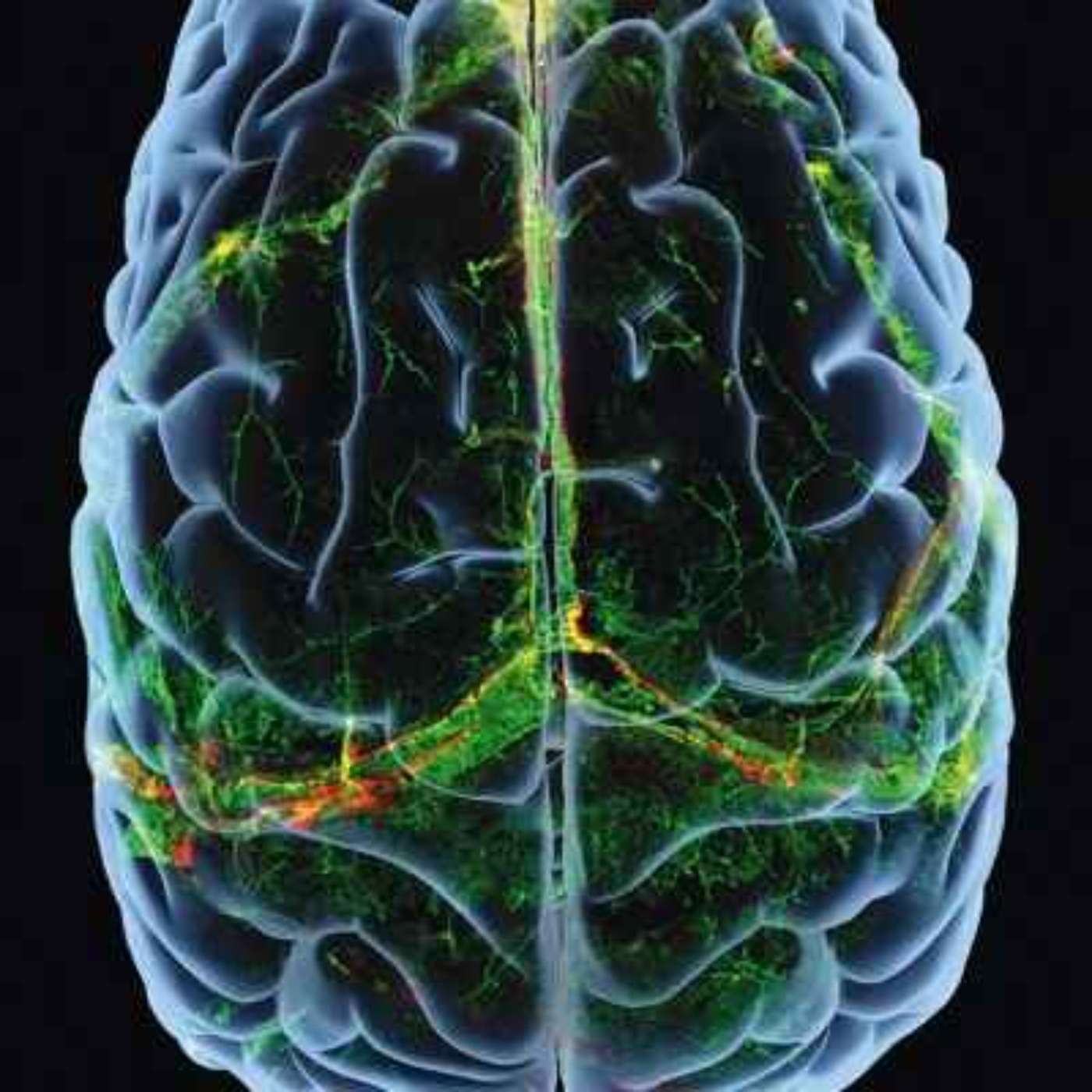
Nearly 25 years ago, a paper was published about addiction that transformed the field. The director of the US National Institute on Drug Abuse at the time called addiction a “brain disease,” and he wrote a paper articulating this position and the agenda that it implied. It led to a focus on researching the brain to understand the mechanisms behind addiction, which could lead to novel treatments. And it meant that the country began to treat addiction as a disease, thus treating it within the medical system and removing the victim-blaming stigma. Over the years, there has been a pushback against the view of addiction as a brain disease, even within the scientific community. In part, this occurred because research in neuroscience didn’t lead to effective treatments as quickly as the field hoped or promised. And in part, says Markus Heilig, it’s because other researchers felt that funding into the neuroscience of addition meant that other relevant mechanisms, such as social and psychological factors, were perhaps being somewhat neglected. Dr. Heilig and his colleagues recently published a review addressing these and other concerns. Listen in to learn more! Hosted on Acast. See acast.com/privacy for more information.
Embed this episode
NOW PLAYING
Addiction as a brain disease revised: why it still matters, and the need for consilience
No transcript for this episode yet
Similar Episodes
Apr 7, 2026 ·14m