
EPISODE · Feb 15, 2024 · 56 MIN
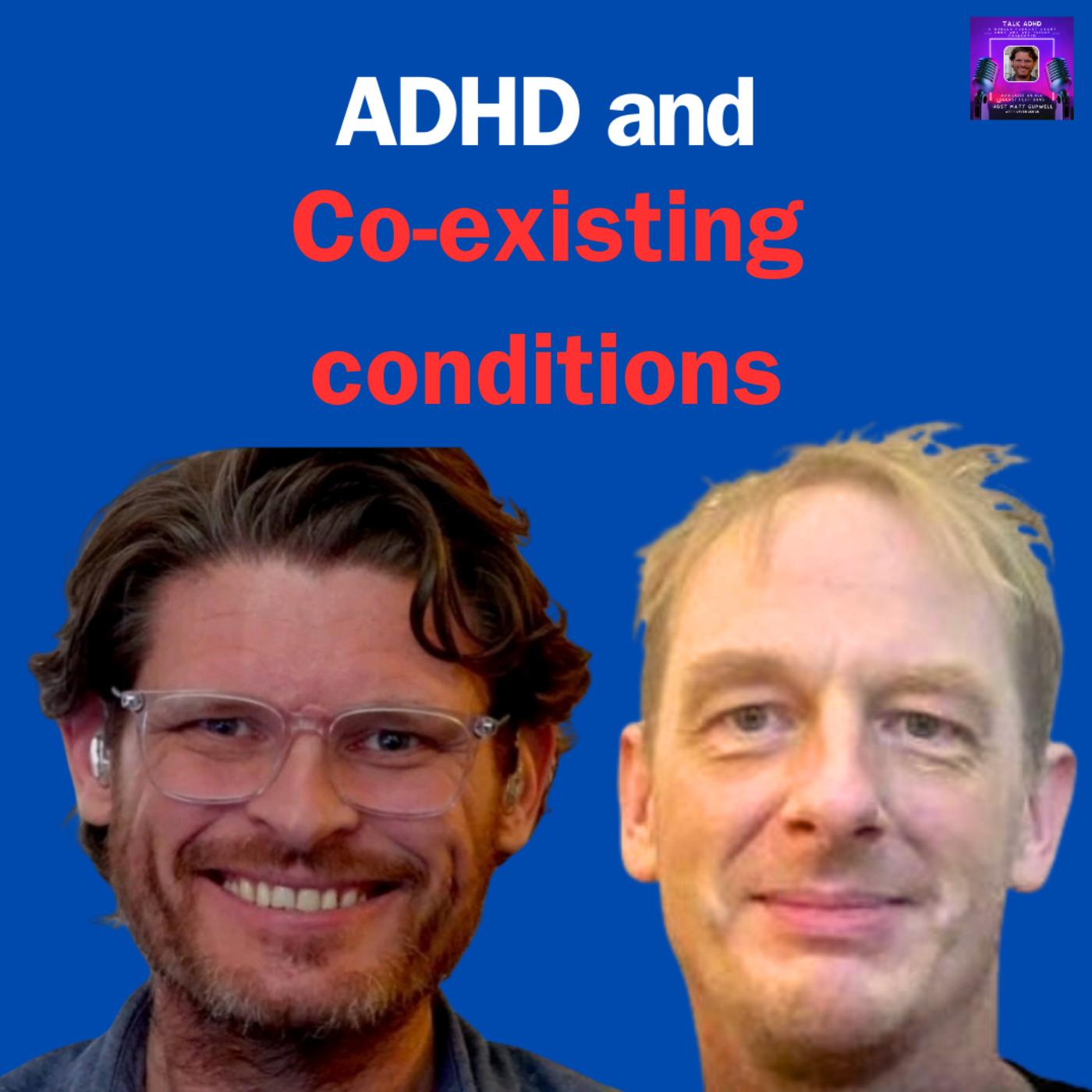
ADHD and co-existing conditions
from talkADHD
Summary In this episode, Matt and Andrew discuss coexisting conditions with ADHD. They emphasize that coexisting conditions are not add-ons to ADHD but rather part of being human. The most common coexisting conditions include other neurodevelopmental conditions, affective disorders, psychosis, and physical health problems. The impact of these conditions on ADHD management varies, and it is important to consider the interplay between different diagnoses. The diagnostic process should take into account all possible coexisting conditions, and it is helpful for individuals to volunteer relevant information. In addition to medication, cognitive behavioral therapy (CBT) and dialectical behavioral therapy (DBT) can be beneficial in managing coexisting conditions. Matt highlights the importance of understanding oneself and finding supportive communities to navigate the challenges of ADHD and coexisting conditions. In this episode, Matt and Andrew discuss the importance of defining purpose and ability rather than being defined by deficits. They emphasize that a diagnosis is a starting point, not an end point, and that it is important to remember the human experience beyond the label. They also explore the concept of self-advocacy and the correct way to define oneself and talk about conditions to ensure protection against discrimination. The conversation touches on the interplay of coexisting conditions and the challenges of supporting loved ones with ADHD. Ultimately, they highlight the importance of prioritizing the person over the diagnosis. Takeaways Coexisting conditions are not add-ons to ADHD but part of being human. The most common coexisting conditions with ADHD include other neurodevelopmental conditions, affective disorders, psychosis, and physical health problems. The impact of coexisting conditions on ADHD management varies, and it is important to consider the interplay between different diagnoses. The diagnostic process should take into account all possible coexisting conditions, and individuals should volunteer relevant information. In addition to medication, cognitive behavioral therapy (CBT) and dialectical behavioral therapy (DBT) can be beneficial in managing coexisting conditions. Understanding oneself and finding supportive communities are important for navigating the challenges of ADHD and coexisting conditions. Chapters 00:00 Introduction and Gratitude 01:08 Understanding Coexisting Conditions 03:44 The Relationship with ADHD 04:47 Categories of Coexisting Conditions 08:33 Examples of Coexisting Conditions 11:14 Impact on ADHD Management 18:13 Diagnostic Process for Coexisting Conditions21:59 Effectiveness of ADHD Medications 23:20 Importance of Volunteering Information30:20 Long-Term Outlook and Health Implications 37:44 Additional Strategies Coaching and Mentoring 44:30 Understanding Oneself and Building Strategies 48:11 Baggage from Diagnostic Process 51:04 The Function of Diagnosis 54:14 Self-Advocacy and Talking About Conditions 56:28 Coexisting Conditions and Interplay 58:07 Supporting Loved Ones with ADHD 59:27 Negotiating Advice for Caregivers 01:00:25 Hosted on Acast. See acast.com/privacy for more information.
Embed this episode
NOW PLAYING
ADHD and co-existing conditions
No transcript for this episode yet
Similar Episodes
No similar episodes found.
Similar Podcasts
No similar podcasts found.