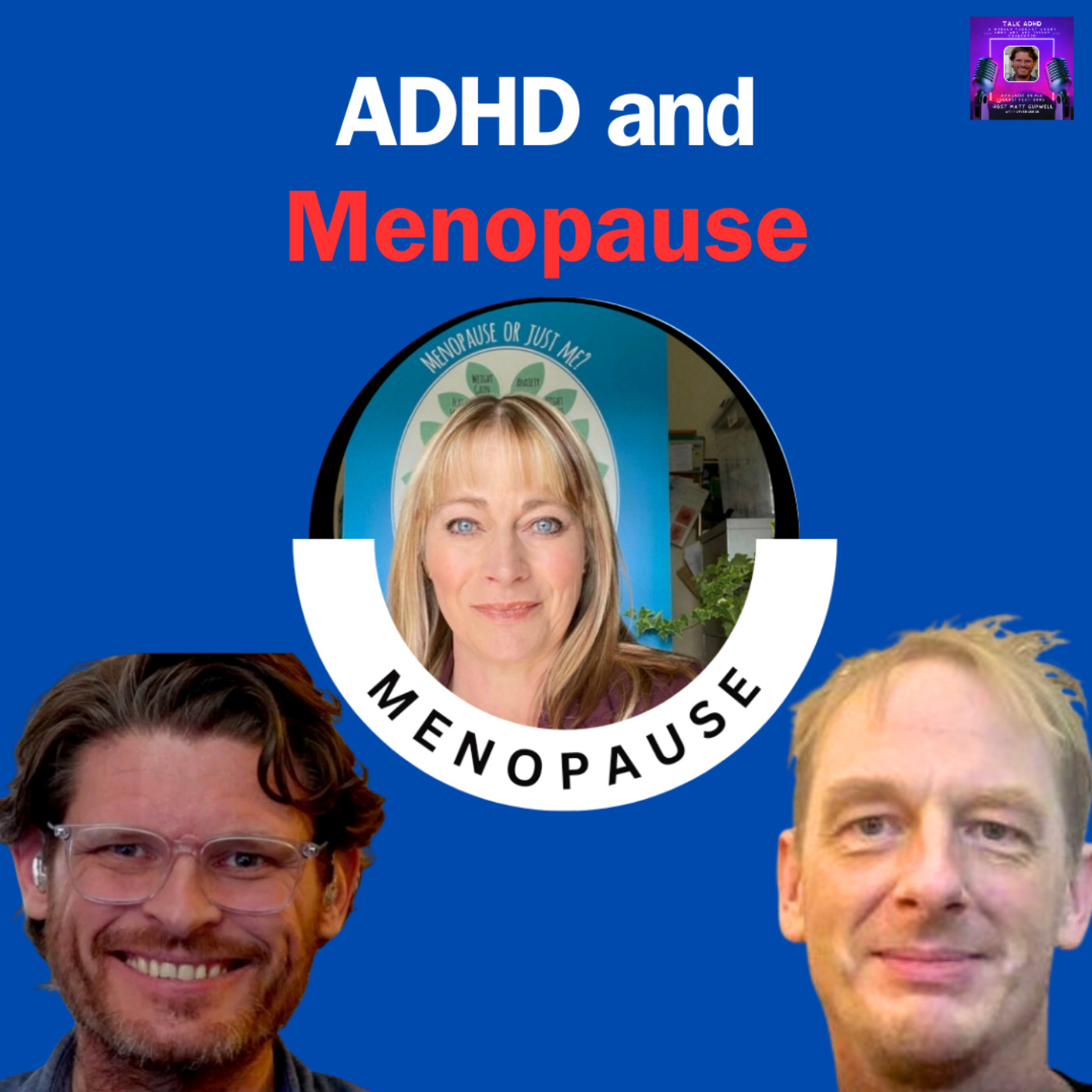
ADHD and Menopause episode artwork

EPISODE · Feb 29, 2024 · 54 MIN

ADHD and Menopause

from talkADHD

This episode explores the connections between menopause and neurodiversity, particularly ADHD and autism. The guest, Diane Porterville-Born, shares her personal experiences and professional insights as a menopause nurse practitioner. She discusses how she started connecting menopause with neurodiversity and the implications for treatment. Diane highlights the lack of awareness and misconceptions surrounding menopause and neurodivergent women. She emphasizes the importance of self-advocacy and seeking support from healthcare professionals. Diane also discusses her involvement in research and the need for changes in how the medical community addresses the needs of neurodivergent individuals during menopause. In this conversation, Diane discusses holistic approaches to menopause, including the importance of healthy lifestyle choices and positive mental attitudes. She emphasizes that while hormone replacement therapy (HRT) is an effective treatment, it is not the only option. Diane highlights the significance of nutrition and lifestyle changes, such as consuming foods rich in phytoestrogens and maintaining a healthy weight. She also advises seeking advice from reputable menopause services and cautioning against misinformation found online. Additionally, Diane emphasizes the importance of support from friends and professionals and encourages women not to be afraid of HRT, as it is safe and effective for most individuals. Takeaways Menopause and neurodiversity, such as ADHD and autism, are interconnected and can significantly impact women's mental health and well-being. Hormone replacement therapy (HRT) can be beneficial for women with neurodivergence during menopause, as it can help alleviate symptoms and improve overall functioning. There is a lack of awareness and understanding among healthcare professionals about the specific needs of neurodivergent women during menopause. Women should educate themselves, keep track of their symptoms, and advocate for their own needs when seeking support from healthcare professionals. Further research is needed to explore the complex relationship between menopause and neurodiversity and to improve the understanding and treatment of these conditions. Chapters Introduction and Background 01:46 Connecting Menopause with Neurodiversity 04:46Implications for Treatment 06:49 Lack of Awareness and Misconceptions 11:57 Challenges in Seeking Help 19:26 Recognizing the Impact of Menopause 20:12 Joining the Dots: Case Examples 29:26 Understanding the Ups and Downs 32:38 Shared Care and Treatment Approach 35:40 Advice for Neurodivergent Women 37:49 Current Research and Future Changes 42:59 Addressing the Needs of Neurodivergent Individuals 46:21 Recognizing Overwhelm and Burnout 50:53 Holistic Approaches to Menopause 52:29 Nutrition and Lifestyle Changes 53:18 Seeking Professional Advice 54:14 Importance of Support and HRT TALKADHD Whatsapp commuinity: https://chat.whatsapp.com/BITcSG1BRlCIZvGUFCGxU7 Diane Porterfield-Bourne's links: www.bourne2care.co.ukhttp://www.facebook.com/bourne2carehttp://www.instagram.com/dianeporterfield_bourne linkedin.com/in/diane-porterfield-bourne-013471104 Hosted on Acast. See acast.com/privacy for more information.

This episode explores the connections between menopause and neurodiversity, particularly ADHD and autism. The guest, Diane Porterville-Born, shares her personal experiences and professional insights as a menopause nurse practitioner. She discusses how she started connecting menopause with neurodiversity and the implications for treatment. Diane highlights the lack of awareness and misconceptions surrounding menopause and neurodivergent women. She emphasizes the importance of self-advocacy and seeking support from healthcare professionals. Diane also discusses her involvement in research and the need for changes in how the medical community addresses the needs of neurodivergent individuals during menopause. In this conversation, Diane discusses holistic approaches to menopause, including the importance of healthy lifestyle choices and positive mental attitudes. She emphasizes that while hormone replacement therapy (HRT) is an effective treatment, it is not the only option. Diane highlights the significance of nutrition and lifestyle changes, such as consuming foods rich in phytoestrogens and maintaining a healthy weight. She also advises seeking advice from reputable menopause services and cautioning against misinformation found online. Additionally, Diane emphasizes the importance of support from friends and professionals and encourages women not to be afraid of HRT, as it is safe and effective for most individuals. Takeaways Menopause and neurodiversity, such as ADHD and autism, are interconnected and can significantly impact women's mental health and well-being. Hormone replacement therapy (HRT) can be beneficial for women with neurodivergence during menopause, as it can help alleviate symptoms and improve overall functioning. There is a lack of awareness and understanding among healthcare professionals about the specific needs of neurodivergent women during menopause. Women should educate themselves, keep track of their symptoms, and advocate for their own needs when seeking support from healthcare professionals. Further research is needed to explore the complex relationship between menopause and neurodiversity and to improve the understanding and treatment of these conditions. Chapters Introduction and Background 01:46 Connecting Menopause with Neurodiversity 04:46Implications for Treatment 06:49 Lack of Awareness and Misconceptions 11:57 Challenges in Seeking Help 19:26 Recognizing the Impact of Menopause 20:12 Joining the Dots: Case Examples 29:26 Understanding the Ups and Downs 32:38 Shared Care and Treatment Approach 35:40 Advice for Neurodivergent Women 37:49 Current Research and Future Changes 42:59 Addressing the Needs of Neurodivergent Individuals 46:21 Recognizing Overwhelm and Burnout 50:53 Holistic Approaches to Menopause 52:29 Nutrition and Lifestyle Changes 53:18 Seeking Professional Advice 54:14 Importance of Support and HRT TALKADHD Whatsapp commuinity: https://chat.whatsapp.com/BITcSG1BRlCIZvGUFCGxU7 Diane Porterfield-Bourne's links: www.bourne2care.co.ukhttp://www.facebook.com/bourne2carehttp://www.instagram.com/dianeporterfield_bourne linkedin.com/in/diane-porterfield-bourne-013471104 Hosted on Acast. See acast.com/privacy for more information.

NOW PLAYING

ADHD and Menopause

0:00 54:58

No transcript for this episode yet

We transcribe on demand. Request one and we'll notify you when it's ready — usually under 10 minutes.

No similar episodes found.

No similar podcasts found.

Frequently Asked Questions

How long is this episode of talkADHD?

This episode is 54 minutes long.

When was this talkADHD episode published?

This episode was published on February 29, 2024.

What is this episode about?

This episode explores the connections between menopause and neurodiversity, particularly ADHD and autism. The guest, Diane Porterville-Born, shares her personal experiences and professional insights as a menopause nurse practitioner. She discusses...

Can I download this talkADHD episode?

Yes, you can download this episode by clicking the download button on the episode player, or subscribe to the podcast in your preferred podcast app for automatic downloads.
URL copied to clipboard!