
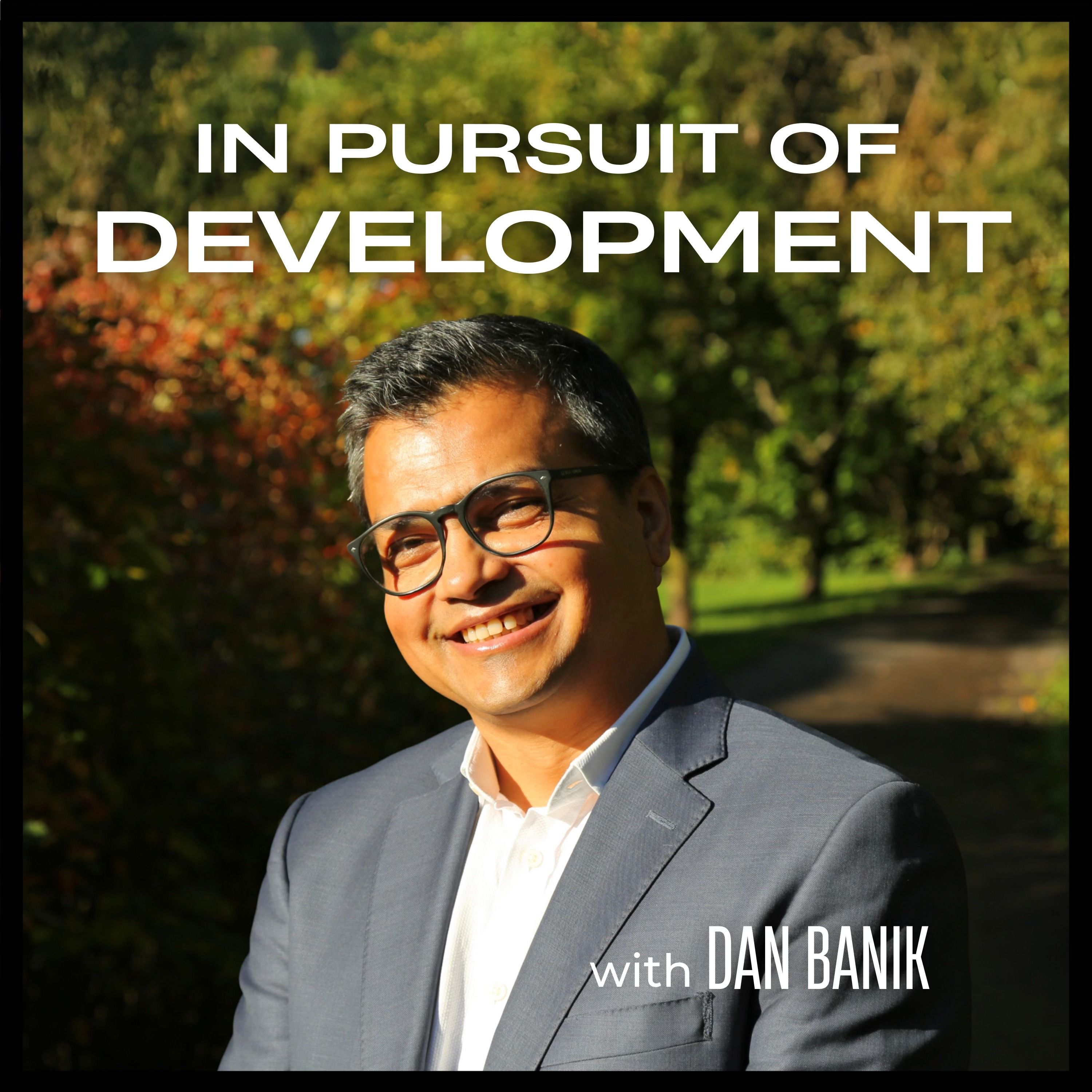
EPISODE · Apr 24, 2024 · 52 MIN
Administrative Capacity and Its Impact on Development in Pakistan — Sameen A. Mohsin Ali
from In Pursuit of Development · host Sameen A. Mohsin Ali, Dan Banik
Effective bureaucracies are pivotal in mobilizing resources, implementing development projects, and ensuring equitable distribution of growth benefits across all societal segments. Conversely, weak administrative systems often result in inefficiency, corruption, and the derailment of vital development efforts aimed at improving health, education, and economic opportunities. The significance of administrative capacity extends beyond immediate program implementation. Strong administrative systems ensure that the achievements of development policies are maintained over time, adapting to new challenges like technological changes, demographic shifts, and environmental sustainability. This adaptability is essential for long-term development outcomes, making the strengthening of bureaucratic institutions a fundamental aspect of enhancing overall state capacity.Sameen A. Mohsin Ali is an Assistant Professor of International Development at the University of Birmingham. She works in the fields of comparative politics, development studies, and political economy, with a specialisation in the bureaucratic politics of Pakistan. @sameen_mohsinResourcesCitizen trust, administrative capacity and administrative burden in Pakistan’s immunization program (open access)Networks of effectiveness? The impact of politicization on bureaucratic performance in Pakistan (author's accepted manuscript)Pakistan election: the military has long meddled in the country’s politics – this year will be no different, The Conversation UKOral History, Collaboration and Research on Women Public Sector Workers in Pakistan, with Sana Haroon, MHRC blogBureaucratic Reform, Discourse, Pakistan Institute of Development EconomicsThe good, the bad and the ugly in Punjab’s new local government laws. Herald, 5 July, 2019.Good sifarish, bad sifarish: A look at PML-N’s selective anti-corruption drive. DAWN 19 April, 2018.Pakistan: COVID-19, federalism and the first wave response. (open access)Key highlightsIntroduction – 00:24State capacity and administrative capacity – 03:26The role of patronage politics – 09:03Civil servant strategies to tackle political interference – 16:49Socialization strategies, motivation, and demotivation – 25:09Networks of effectiveness – 32:14Trust between citizens and the state – 45:16 Host:Professor Dan Banik, Centre for Global Sustainability, University of OsloSubscribe:Apple Spotify YouTubehttps://globaldevpod.substack.com/
Embed this episode
What this episode covers
Dan Banik and Sameen A. Mohsin Ali discuss the intricacies of bureaucratic capacity in Pakistan, examining how administrative effectiveness, political dynamics, and patronage impact the implementation of development programs.
Ready to play
Administrative Capacity and Its Impact on Development in Pakistan — Sameen A. Mohsin Ali
No transcript for this episode yet
Similar Episodes
No similar episodes found.
Similar Podcasts
No similar podcasts found.