
EPISODE · Mar 18, 2026 · 19 MIN
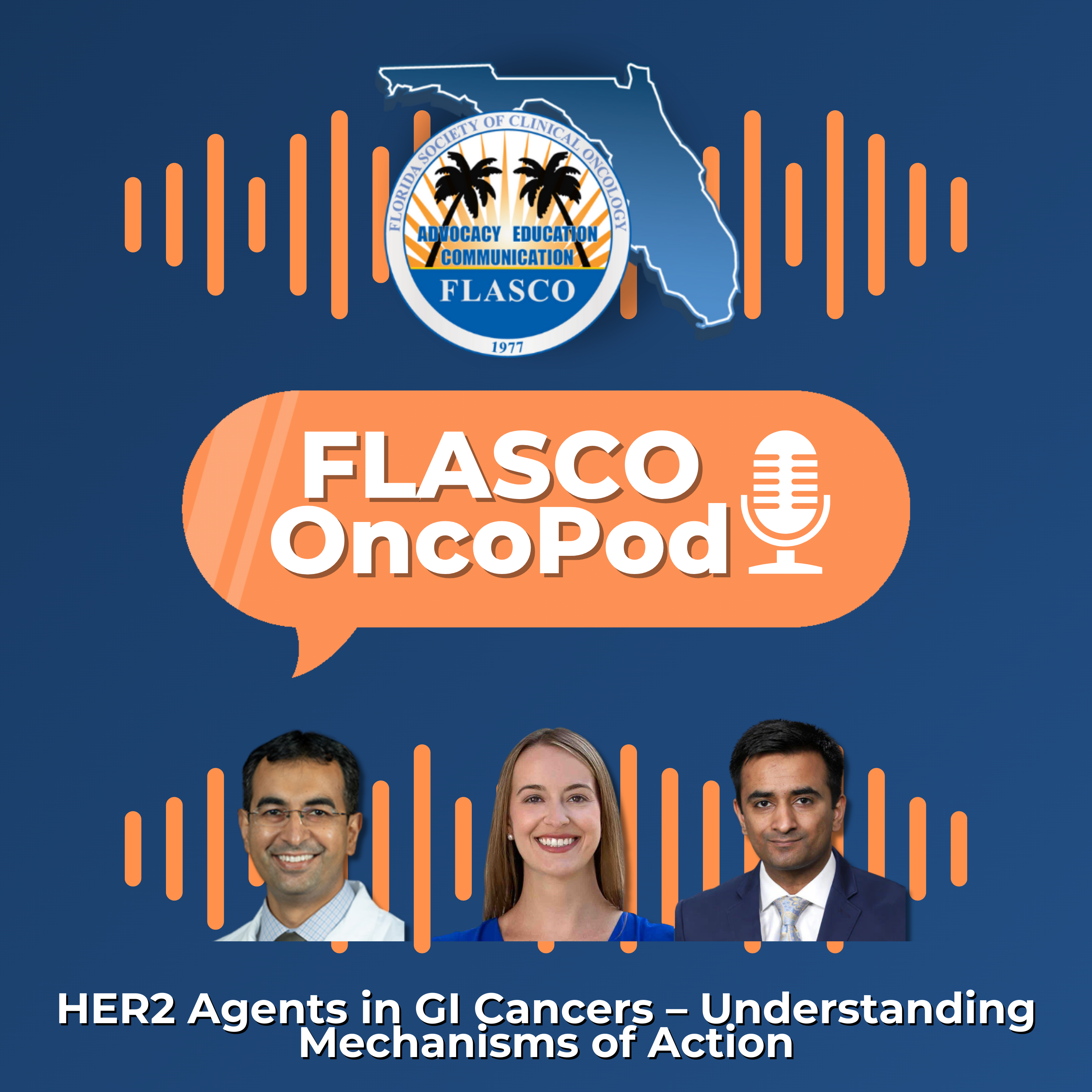
Advancing Care in GI and Biliary Tract Cancers Series Episode 3: HER2 Agents in GI Cancers - Understanding Mechanisms of Action
from FLASCO OncoPod
Join moderator Caroline DiCristo, PharmD, Associate Medical Director – Zanidatamab of Jazz Pharmaceuticals, alongside Dr. Noman Ashraf of Tampa General Hospital Cancer Institute and Dr. Umair Majeed of Mayo Clinic in Jacksonville for the third installment of the Advancing Care in GI and Biliary Tract Cancers podcast series. This episode explores HER2-targeted agents in GI malignancies, with a focus on understanding their distinct mechanisms of action and how these differences influence treatment selection.HER2 alterations are increasingly recognized across biliary tract, gastric, and colorectal cancers, with a growing number of targeted therapies available. As treatment options expand, understanding how each class of HER2-directed therapy works has become essential for optimizing patient outcomes and tailoring care based on both disease biology and individual patient factors.Mechanisms of Action Across HER2-Targeted TherapiesThe discussion highlights the key differences between major classes of HER2-targeted agents used in GI cancers:Monoclonal Antibodies: Agents such as trastuzumab and pertuzumab bind to HER2 receptors and inhibit downstream signaling pathways. Bispecific Antibodies: Novel therapies like zanidatamab target two distinct HER2 epitopes, enhancing receptor binding and immune-mediated activity. Antibody–Drug Conjugates (ADCs): These agents deliver cytotoxic payloads directly to HER2-expressing cells, combining targeted therapy with chemotherapy-like effects. Tyrosine Kinase Inhibitors (TKIs): Oral agents that block intracellular HER2 signaling and offer an alternative mechanism with distinct toxicity profiles.Clinical Considerations in Therapy SelectionDr. Ashraf and Dr. Majeed emphasize that selecting the appropriate HER2-directed therapy requires careful consideration of multiple factors, including prior treatment exposure, comorbidities, and patient preferences. Cardiac function, pulmonary health, and tolerance to prior chemotherapy all play a role in determining the most suitable option. Additionally, differences in side effect profiles across drug classes, such as cytopenias, diarrhea, and interstitial lung disease, must be carefully weighed.Patient-Centered Decision MakingThrough real-world case examples, the discussion underscores the importance of incorporating patient preferences into treatment planning. Whether prioritizing quality of life, minimizing specific toxicities, or avoiding chemotherapy-related side effects, shared decision-making remains central to optimizing outcomes in HER2-positive GI cancers.Evolving Treatment LandscapeAs more HER2-targeted therapies receive approvals and guideline recommendations, clinicians are faced with increasing complexity in sequencing and selecting treatments. While data on optimal sequencing strategies remain limited, ongoing research and insights from other tumor types may help inform future approaches.Tune in for an in-depth discussion on HER2-targeted therapies in GI cancers and how a deeper understanding of mechanisms of action can guide more personalized, effective treatment strategies for patients.
Embed this episode
Ready to play
Advancing Care in GI and Biliary Tract Cancers Series Episode 3: HER2 Agents in GI Cancers - Understanding Mechanisms of Action
No transcript for this episode yet
Similar Episodes
No similar episodes found.
Similar Podcasts
No similar podcasts found.