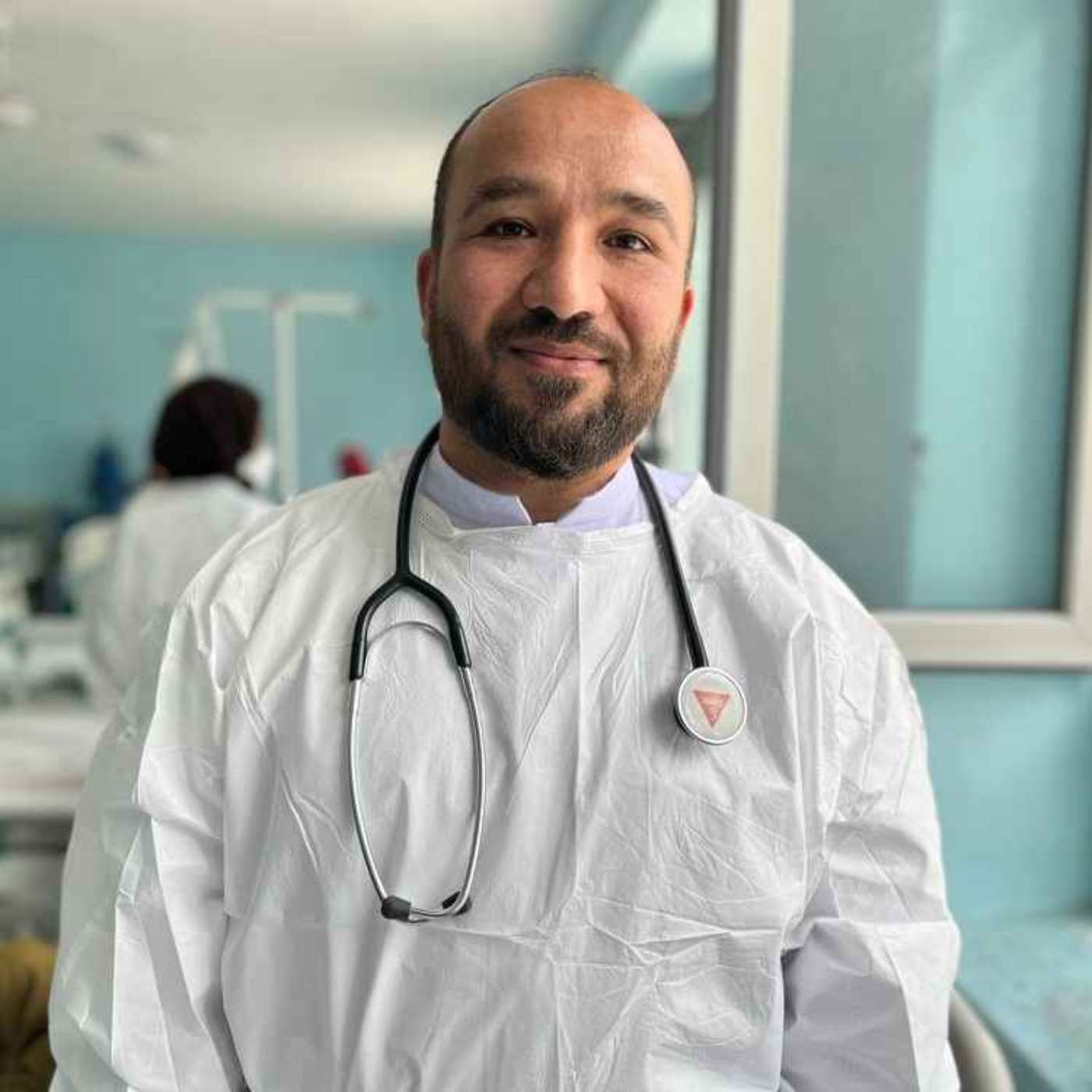
Afghanistan: How do you respond to a 'mass casualty incident'? episode artwork

EPISODE · Mar 31, 2026 · 25 MIN

Afghanistan: How do you respond to a 'mass casualty incident'?

from Everyday Emergency

For the past weeks, the world’s media has been focused on the crisis in the Middle East. The sharp escalation in violence has brought fear to the lives of millions of people. Airstrikes have hit densely populated areas with particular ferocity in Iran and in Lebanon, where hundreds of thousands of people have been forced to flee their homes.Médecins Sans Frontières / Doctors Without Borders (MSF) teams across the region have been adapting their programmes to respond to the crisis.However, behind the headlines, on the other side of the Greater Middle East Region, a long-term humanitarian crisis continues to play out in Afghanistan.For this month’s podcast, we spoke to Dr Mohammad Qaher Poya, the deputy nursing director at MSF's specialist trauma centre in Kunduz, a city in northern Afghanistan. The trauma centre was originally set up to meet the needs of people injured during the war in Afghanistan. Now, in this post-conflict environment, the team uses their long experience of dealing with what's known as 'mass casualty incidents' to save lives when the sheer number of patients threatens to overwhelm the hospital.Dr Poya took a break between busy shifts to call us from Afghanistan.If you would like to support our life-saving medical work around the world, please visit msf.org.uk to make a donation. Thank you.Presented by Amber DowellEdited by Sandy McKeeAssociate producer: Kate LeeSeries producer: Mark LankesterPhoto: Tasal Khogyani  Hosted on Acast. See acast.com/privacy for more information.

For the past weeks, the world’s media has been focused on the crisis in the Middle East. The sharp escalation in violence has brought fear to the lives of millions of people. Airstrikes have hit densely populated areas with particular ferocity in Iran and in Lebanon, where hundreds of thousands of people have been forced to flee their homes.Médecins Sans Frontières / Doctors Without Borders (MSF) teams across the region have been adapting their programmes to respond to the crisis.However, behind the headlines, on the other side of the Greater Middle East Region, a long-term humanitarian crisis continues to play out in Afghanistan.For this month’s podcast, we spoke to Dr Mohammad Qaher Poya, the deputy nursing director at MSF's specialist trauma centre in Kunduz, a city in northern Afghanistan. The trauma centre was originally set up to meet the needs of people injured during the war in Afghanistan. Now, in this post-conflict environment, the team uses their long experience of dealing with what's known as 'mass casualty incidents' to save lives when the sheer number of patients threatens to overwhelm the hospital.Dr Poya took a break between busy shifts to call us from Afghanistan.If you would like to support our life-saving medical work around the world, please visit msf.org.uk to make a donation. Thank you.Presented by Amber DowellEdited by Sandy McKeeAssociate producer: Kate LeeSeries producer: Mark LankesterPhoto: Tasal Khogyani  Hosted on Acast. See acast.com/privacy for more information.

NOW PLAYING

Afghanistan: How do you respond to a 'mass casualty incident'?

0:00 25:05

No transcript for this episode yet

We transcribe on demand. Request one and we'll notify you when it's ready — usually under 10 minutes.

No similar episodes found.

No similar podcasts found.

Frequently Asked Questions

How long is this episode of Everyday Emergency?

This episode is 25 minutes long.

When was this Everyday Emergency episode published?

This episode was published on March 31, 2026.

What is this episode about?

For the past weeks, the world’s media has been focused on the crisis in the Middle East. The sharp escalation in violence has brought fear to the lives of millions of people. Airstrikes have hit densely populated areas with particular ferocity in...

Can I download this Everyday Emergency episode?

Yes, you can download this episode by clicking the download button on the episode player, or subscribe to the podcast in your preferred podcast app for automatic downloads.
URL copied to clipboard!