One mile, 5,280 feet all total, but along the shores of Watts Bar Lake, can you put a dollar figure on it? Hello, I'm Charles Denny. This is Agcast, brought to you by the University of Tennessee Institute of Agriculture. New research estimates that recreation on the Tennessee Valley Authority's reservoir system creates nearly $12 billion in economic impact.
The study was done by the University of Tennessee's Institute of Agriculture, who found the value to average about $1 million per shoreline mile. Jerry Fouse is with TVA Recreation and Tourism Development, and worked on the research effort. The findings here, of course, are the big economic numbers, and $11.9 billion of economic impact annually from recreation around the reservoir system, sustaining 130,000 jobs. That averages out to be about $1 million per shoreline mile for almost 11,000 miles of shoreline that we have.
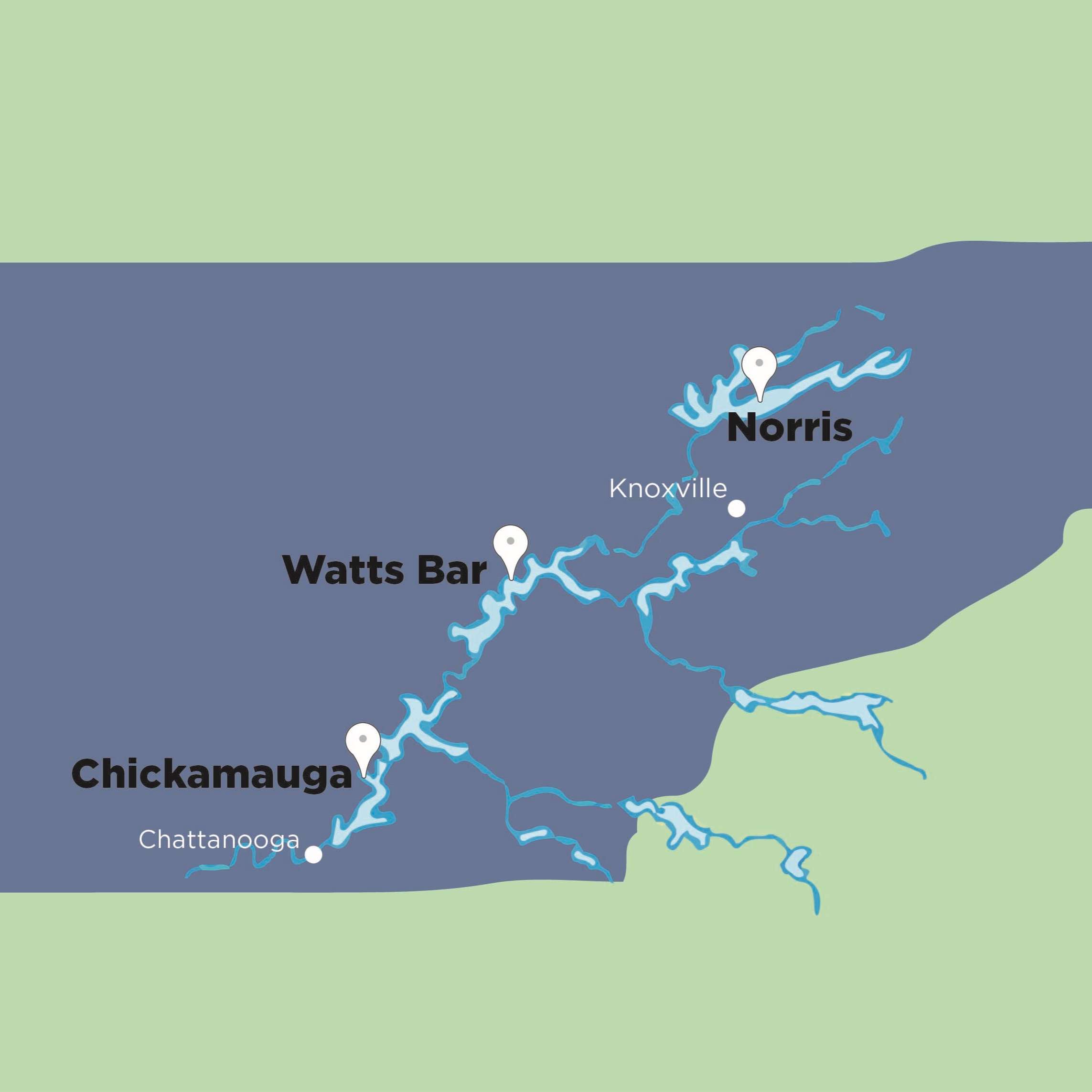
UTIA researchers conducted studies in the summer of 2016 on three reservoirs, Norris, Watts Bar, and Chickamauga. The million per mile figure comes from property values and the dollar spent by 65 million recreational visits every year. UTIA experts in agricultural economics and forestry wildlife and fisheries, along with a number of students, did the detailed study. The research considered urban and rural areas and heavy and low-use waterways.
But the motivation was to look at the totality of economic impact generated by recreation expenditure in the region. Dr. Nilam Pudjal specializes in the study of human dimensions of natural resource policy. He was not surprised by the physical impact given the heavy use of the reservoirs by the public.
It's for boating and fishing and other kinds of recreation activities, and they bring in millions of dollars to spend in souvenir restaurants and all kinds of things. Visitors spend a lot of money, and every single dollars visitors bring in from outside. That repuls through the economy and creates more and more impact in terms of jobs, tax revenue and other things. TBA and UTIA announce the findings in a recent news conference.
UT Extension interim dean Dr. Deltan Gerloff praised the two organizations for their work. Sometimes it's easy to forget just how blessed we are here in East Tennessee to have the natural and human resources that we have, including organizations which put an emphasis on research, education and the environment. Like TBA, UTIA has a mission to improve the lives of Tennesseans.
Meantime, TBA leaders say that data will help them better serve the people of the region. Mike Skaggs is TBA executive vice president of operations. It just goes to show just the importance of what we're doing in the economic development. It points out the opportunities that we can make to make a difference in the valley and to the 9 million people that we provide services for.
And it just makes us feel better about the things that we've been working on in the last few years. Jerry Fals agrees and says it gives TBA a blueprint for future growth. It will help us in the future to plan our recreation facilities investments going forward knowing the kinds of activities, boating, fishing. TBA is a corporate agency of the U.S.
but receives no taxpayer funding. It derives all its revenue from the sale of electricity. TBA provides flood control, navigation and land management for the Tennessee River system. Meantime, folks who live near these reservoirs say it's a blessing to have such pretty resources like these lakes.
Not only do they provide scenery and fun activities, they put dollars back into local communities. Thanks for listening. I'm Charles Denny. For more real life solutions provided by the UT Institute of Agriculture, go to our website at ag.tenesse.edu