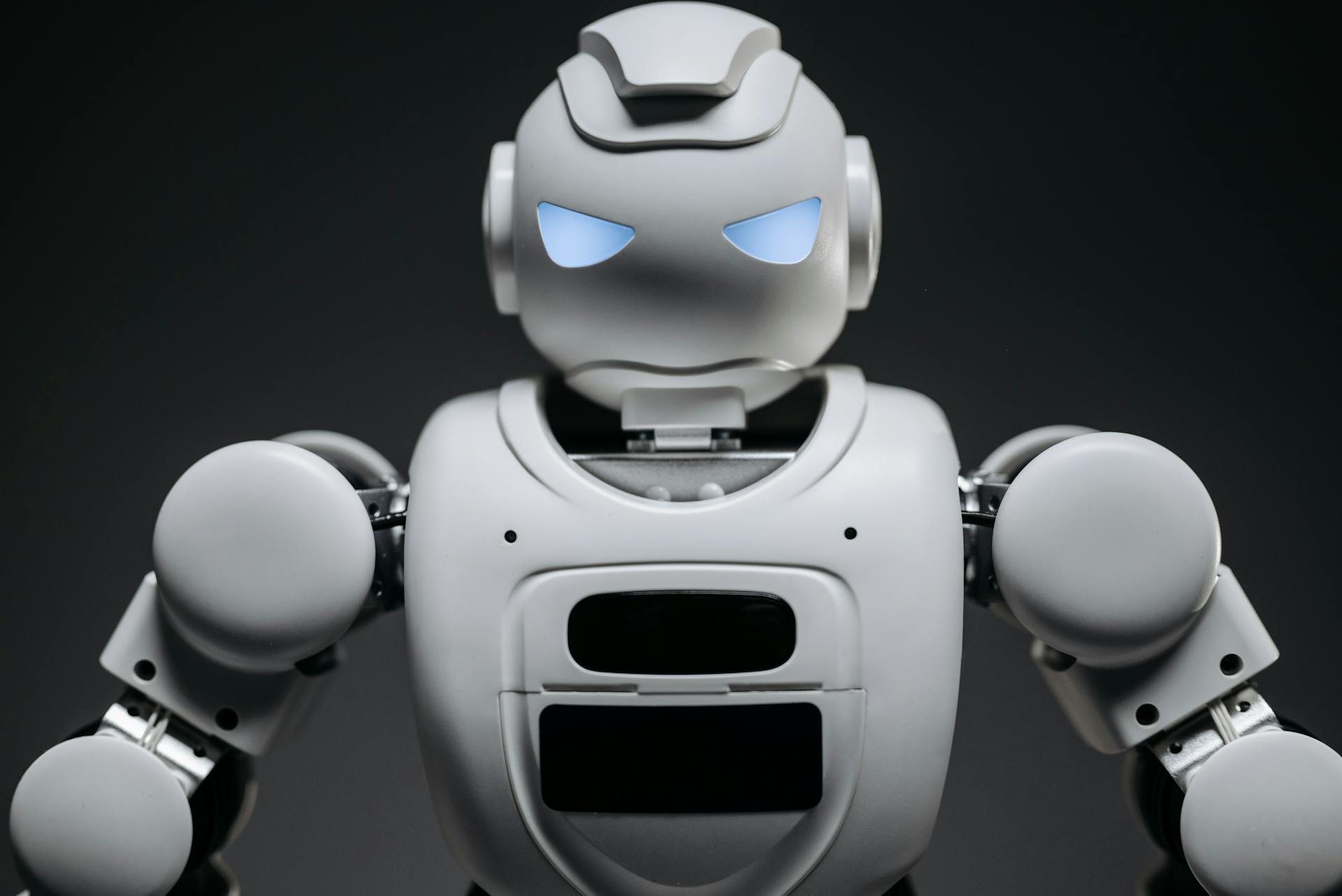
AI Can’t Make Music
from Ray Harmony Hosted by Hack Music Theory
AI Can't Make Music. AI can’t make music. Let me explain… The reason almost everyone thinks AI can make music, is because the definition of music has changed. As a side note, it’s interesting how more and more definitions seem to be changing nowadays, isn’t it? But that’s a story for another day… What’s important to us here is the original definition of music. In other words, what music meant to our hunter-gatherer ancestors. To them, music was an ineffable expression of the human experience, shared through pitched and rhythmic patterns. This was the universal meaning of music from the beginning of humankind. There are mystical elements too, which are vital, but that’s also a story for another day. So, how did the definition of music change? It all began when music was corralled into the concert hall about 300 years ago, which turned it into a performance. And with that, it was no longer something everyone actively participated in. There were now active performers, and passive listeners. This was the fork in the road. From that point on, music was a product that could be monetized through admission fees. This was the first major definition change. Subscribe to get the latest posts in your inbox. Now, as with all progress, there are many benefits. However, knowing the costs of those benefits is essential in weighing up the pros and cons of the progress. Yes, there was a long list of benefits from domesticating wild music and transforming it into tame performance art, but the costs were severe. For example, singing used to be something that people did communally. And they did it while moving in unison. Whether it was bushmen singing and dancing around a fire, or baptists singing and swaying in a church, the mental, physical, spiritual, and societal health benefits of this ritual cannot be overstated. And all that was lost when singing became something that the chosen choir did, while everyone else shut their mouths and sat on their asses. Sadly, though, those losses are only the tip of the iceberg. When sound recording was invented less than two hundred years ago, it was the active musicians who were next in line to be disempowered. For the first time in human history, it was now possible to listen to music without anybody making it. It’s impossible for us to imagine how utterly bizarre that must’ve been. There were no musicians playing, yet people were hearing music. Where was it coming from? Mad times! That was the second major definition change. Music had now been corralled into a disc made of resin. And these could be mass-produced and sold. Ka-ching! Instead of having to pay musicians for every concert, they could now be paid for one concert that was recorded, and then that recording could be sold an unlimited amount of times. Once again, a cost-benefit analysis for humanity should have been done. But it wasn’t. As always, the masses rushed headlong into a future that was even more unnatural, without even pausing to think about the repercussions. Sound familiar? Subscribe to get the latest posts in your inbox. And it’s worth stating clearly here that a recording of music is not music, it’s a recording. Just like a photo of a car is not the car. Think about it. If you want a new car and I give you a photo of that car, do you now have the car? Obviously not. You have an image of the real thing. Same with music. Think about it. If you want to hear the latest song from your favourite artist, you’ll open your music app and listen to it. But are you actually listening to the song? No. You’re listening to a recording of the song. That idea sounds crazy to us in the 21st century, but that’s only because the definition of music has changed twice already. That brings us to the present, where we’re being told that AI can make music. But hopefully by now you can see why that’s a lie. AI can’t make music, because music is an expression of the human experience. AI can’t have the human experience, therefore AI can’t make music. The robots can do lots of things, yes, but making music is not one of them. And even if you believe AI will become conscious one day, it can never be human, so it will never be able to make music. And yes, animals are conscious, and some species (like birds) have something similar to music. But that’s not music either, for the same reason: birds are not expressing the human experience. So let’s not get our definition of music confused by the mainstream narrative about AI. Music can only be made by humans. End of story. These definition changes have resulted in us giving away our creative power as humans who actively make music. Over the last few centuries, we’ve turned into powerless, passive consumers of recordings. And now we’re not even listening to recordings anymore, we’re consuming soulless AI-generated sonic content. So, if you’re feeling inspired to take your power back and become an active music maker, like all our ancestors were, then you can get started right now by reading my free book 12 Music Theory Hacks to Learn Scales & Chords. And if you’re already making music but you’re frustrated because it’s not as good as you’d like, then I invite you to join my online apprenticeship course. Happy learning, and welcome aboard the Songwriter’s Ark*. Ray Harmony :) *I visualize Hack Music Theory as a Songwriter’s Ark, where all the music making skills are being preserved through this global AI flood. The flood shall pass. The skills will last. Donate. Help keep the Songwriter's Ark afloat. Photo by Mart Production About. Ray Harmony is a multi award-winning music lecturer, who’s made music with Serj Tankian (System Of A Down), Tom Morello (Rage Against The Machine), Steven Wilson (Porcupine Tree), Devin Townsend (Strapping Young Lad), Ihsahn (Emperor), Kool Keith (Ultramagnetic MCs), Madchild (Swollen Members), and more. Ray is also the co-founder of Hack Music Theory, a YouTube channel with over 250,000 subscribers learning the fast, easy and fun way to make music without using AI, cos it ain’t no fun getting a robot to write “your” songs! Photo by Pavel Danilyuk Outro music by Ray Harmony, based on the music theory from GoGo Penguin "Everything Is Going to Be OK". Podcast. Listen below, or on any podcast app.
Embed this episode
No transcript yet.