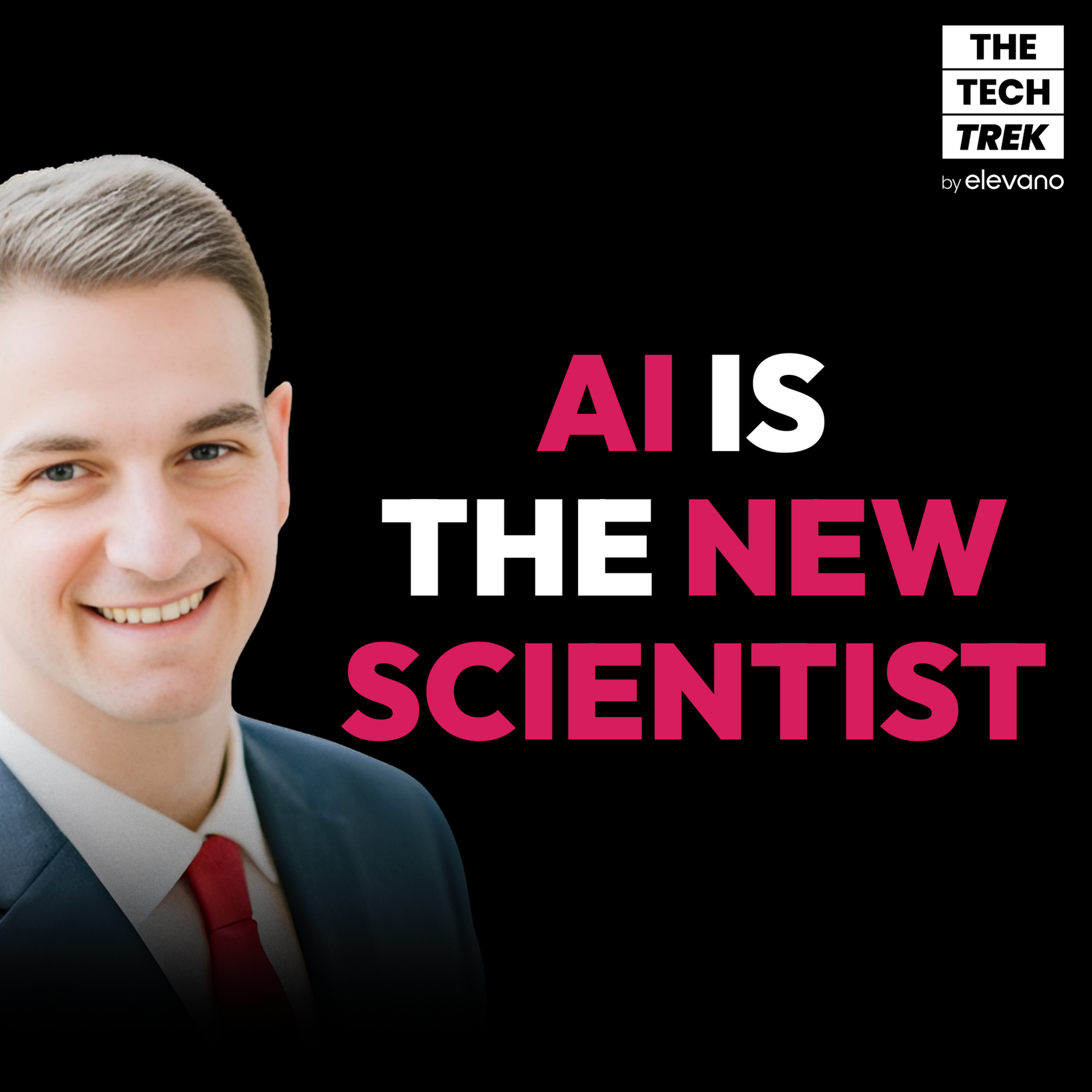
AI Labs Are Reinventing Science Forever
from The Tech Trek Hosted by Elevano
Joseph Krause, co-founder and CEO of Radical AI, joins the show to break down how scientific discovery is being reinvented. From the limitations of the traditional trial-and-error model to the rise of AI-driven self-driving labs, Joseph explains how science is moving from slow, serial processes to a parallel model that unlocks breakthroughs at scale. He also dives into the economics of materials, why big companies can’t pivot fast enough, and how the role of scientists is being transformed. Key Takeaways The old model of science is serial: slow, linear, and limited by human capacity to read, experiment, and analyze. Negative results—failed experiments—are the true fuel for breakthroughs, but they’re rarely captured or shared. Self-driving labs powered by AI create a “materials flywheel,” running 30,000+ experiments a year and learning continuously. Big corporations are trapped by the innovator’s dilemma and talent challenges, leaving space for startups to lead. Scientists in the future will focus less on repetitive lab work and more on shaping hypotheses and applying intuition at scale. Timestamped Highlights 02:00 How science traditionally works and why it’s so slow 05:50 Why mistakes and negative results matter more than we admit 09:40 The fragmentation of research and why labs don’t share data 17:15 Inside a self-driving lab and how AI accelerates discovery 23:40 Why big material companies can’t innovate like startups 35:40 The new role of scientists in an AI-powered discovery world Memorable Line “You don’t get a PhD to learn to pipette—you get it to think about how and why the world will change.” Call to Action If you enjoyed this conversation, share it with a colleague who geeks out on science and technology. Follow the show on Apple Podcasts or Spotify so you don’t miss future episodes exploring where tech is headed next.
Embed this episode
No transcript yet.