
EPISODE · Aug 14, 2025 · 6 MIN
AI Revolution 2025: Transformative Technologies Empowering Personal and Professional Life with Intelligent, Adaptive Solutions
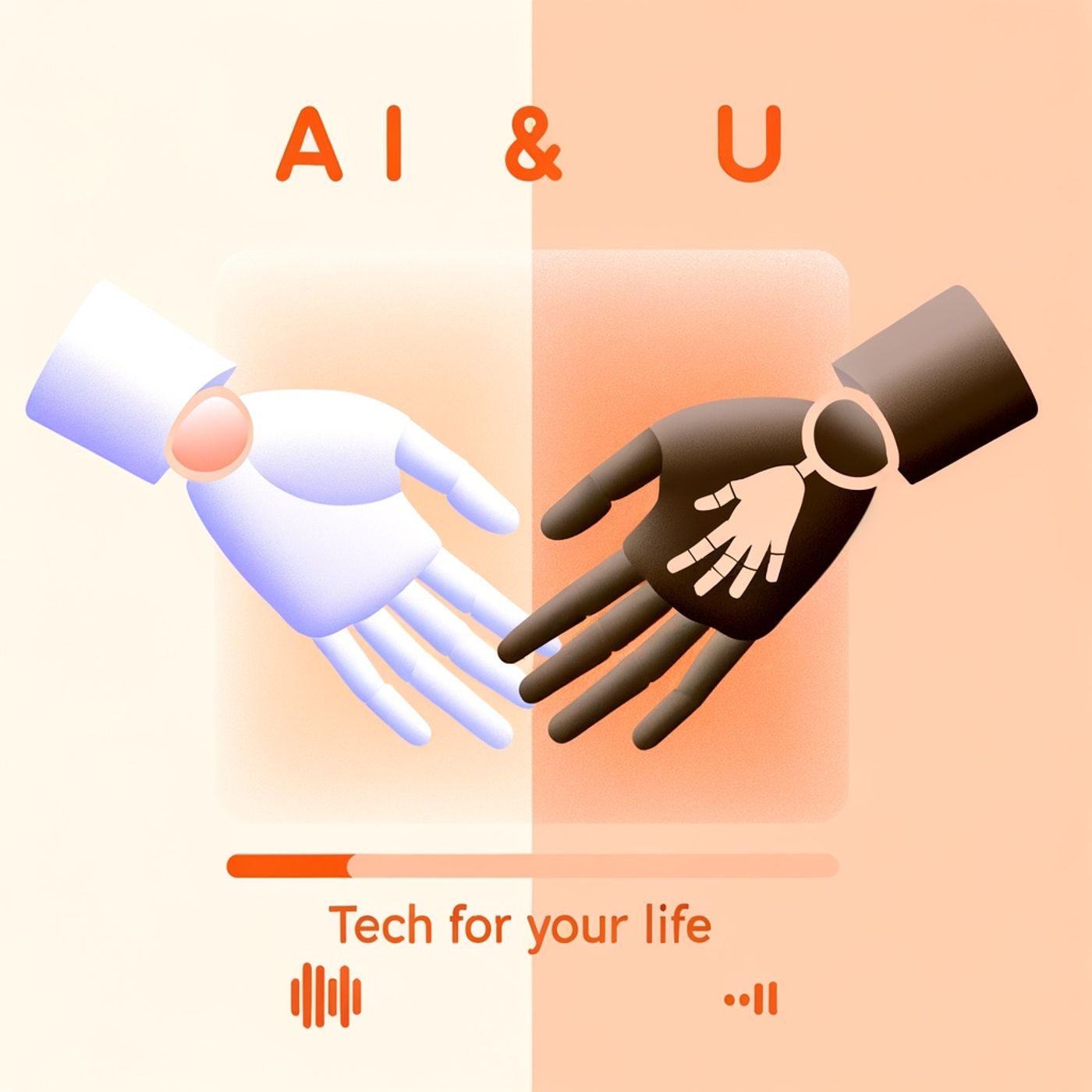
from AI & U: Tech for Your Life · host Inception Point AI
AI & U: Tech for Your Life Artificial intelligence is no longer a distant future—it’s deeply integrated into the fabric of daily life in 2025, reshaping how listeners live, work, and interact with technology. Over just the past few months, leading companies and visionary startups have accelerated the AI revolution across every sector, with groundbreaking models and practical agentic systems changing both the pace and purpose of digital innovation. AI is not just about automation; it’s about genuinely empowering you, enhancing experiences, and offering tools that adapt, learn, and collaborate. Google’s Gemini 2.5 Pro, just released this year, headlines a new era. Designed with state-of-the-art reasoning abilities, Gemini doesn’t just answer—it thinks through complex problems. It manages massive streams of information, bridging text, video, images, and even audio, making tasks like coding, research, and customer support feel almost human. This model is especially praised for tackling math, science, and programming challenges, transforming both education and professional workflows, and helping listeners do more with less effort, from coding new apps to understanding dense technical material. With context windows stretching into millions of tokens, it naturally handles long conversations or giant data sets so that nothing gets lost or overlooked, ensuring that you stay in the flow, whether at work or home, according to Apidog. Agentic AI, highlighted by K21Academy, represents the most profound shift for personal and professional life. These intelligent agents no longer wait for instructions—they observe, learn, and act. In transportation, agentic AI is powering safer autonomous vehicles, predicting road hazards and optimizing routes minute by minute. In agriculture, systems in John Deere’s equipment plant seeds, monitor soil, and adjust irrigation, all without human micromanagement. In the legal field, platforms like ROSS Intelligence and Luminance independently review documents, draft contracts, and flag legal precedents, saving lawyers hundreds of research hours and increasing access to affordable legal support. These tools mean more time for what matters and less time caught in routine. AI’s impact in 2025 depends on how personalized, accessible, and intelligent the technology becomes. Platforms like Domo and others are making automation native to every business process, turning routine tasks in HR, marketing, or customer service into seamless, AI-driven workflows. This frees your attention and creativity. Low-code and no-code systems now place powerful automation in the hands of everyday citizens, not just developers—anyone can streamline processes, analyze data, and enhance their day-to-day lives, as reported by Domo. AI is also quietly shifting the standards of creativity and content production. Fashion labels use generative tools to create virtual models optimized for every style and size, cutting costs and increasing inclusivity. Markete This content was created in partnership and with the help of Artificial Intelligence AI.
Embed this episode
Ready to play
AI Revolution 2025: Transformative Technologies Empowering Personal and Professional Life with Intelligent, Adaptive Solutions
No transcript for this episode yet
Similar Episodes
No similar episodes found.
Similar Podcasts
No similar podcasts found.