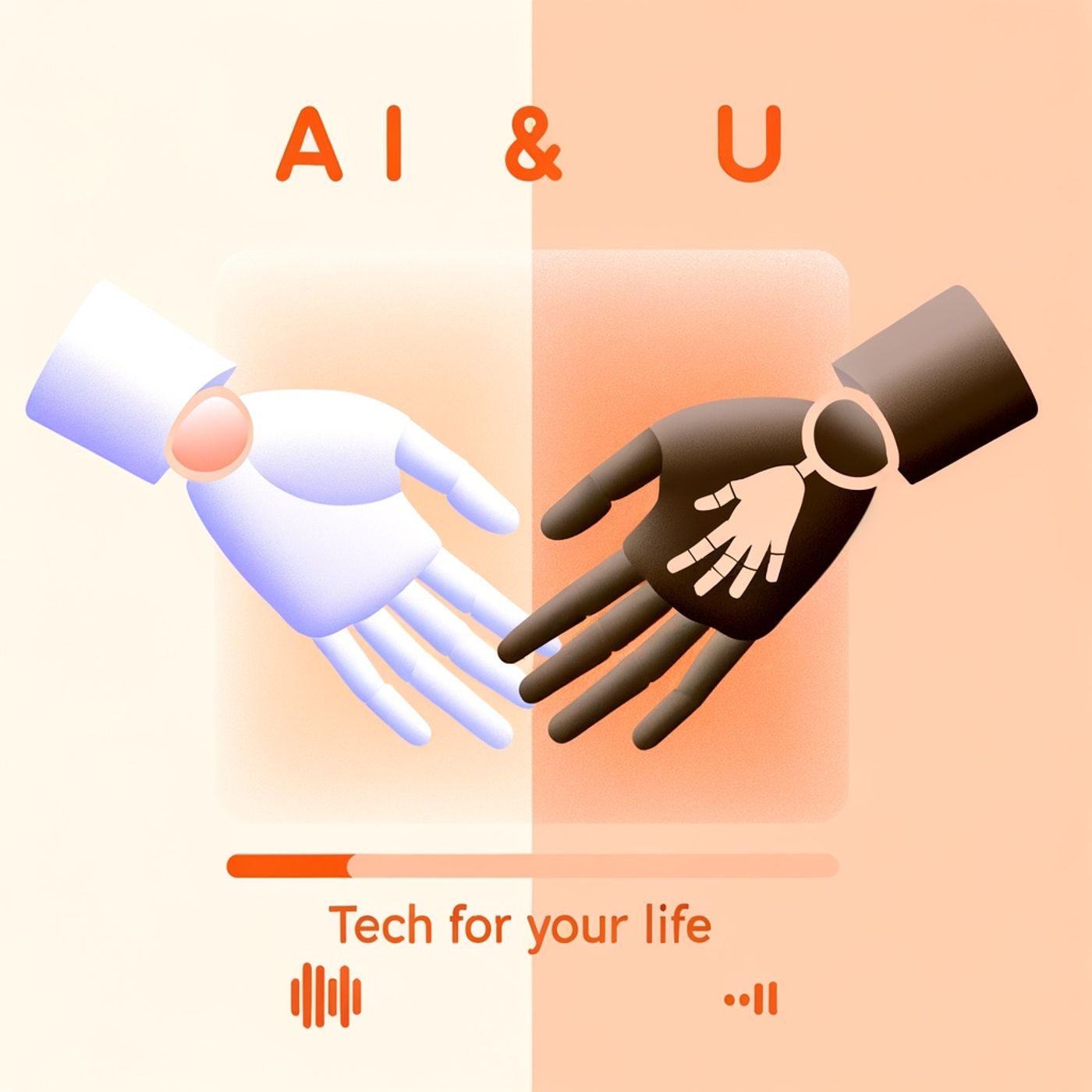
AI Revolutionizes Daily Life in 2025: From Smartphones to Healthcare, Intelligent Technology Transforms How We Work, Learn, and Create episode artwork

EPISODE · Aug 23, 2025 · 4 MIN

AI Revolutionizes Daily Life in 2025: From Smartphones to Healthcare, Intelligent Technology Transforms How We Work, Learn, and Create

from AI & U: Tech for Your Life · host Inception Point AI

Artificial intelligence is no longer a futuristic idea—it’s become woven into everyday life, changing how listeners work, learn, create, and connect with each other and the world. In 2025, over a billion people use generative AI tools every single week, moving these technologies from the realm of tech enthusiasts to something that truly touches everyone, from professionals and businesses to artists, families, and even kids. AI is now present in almost every facet of life. On your smartphone, intelligent assistants schedule appointments with context-aware reminders. In homes, AI powers robots that clean, help monitor older relatives, and order groceries based on spoken requests. At work, AI-powered agents are no longer just tools waiting for instructions—they autonomously handle emails, draft proposals, generate code, and even support creative brainstorming by turning a simple prompt into videos, illustrations, or music. According to AI World Today, 2025 is witnessing a seismic shift from reactive assistance to autonomous AI partners, with these new agents doubling as a digital workforce that fundamentally changes roles in industries, from sales to support to product design. For families and young learners, AI is revolutionizing education. Tools like JetLearn and Google’s Teachable Machine give kids hands-on experiences building their own programs and training models, teaching not just coding but also creativity, logic, and ethical reasoning. These skills are now seen as essential, as McKinsey reports that more than half of future jobs will require collaborating with or managing AI systems. In creative arts, AI has opened new dimensions. Platforms such as PixelDojo allow listeners to turn text into high-quality images and videos, accelerate brainstorms, and rapidly test design ideas. Artists and storytellers now create multimedia content faster and more collaboratively, often working hand-in-hand—or mind-in-mind—with AI to realize visions that were once impossible due to limits of time or technical skill. Healthcare has seen profound benefits from AI as well. AI analyzes medical images, predicts disease risks from health records, and assists doctors in crafting personalized treatment plans—increasing accuracy and improving patient outcomes. In finance, AI is the unseen force scanning transactions to detect and prevent fraud, making the digital economy safer for everyone. A key trend for 2025 is the rise of multimodal AI. As detailed by Times of AI, the best modern systems combine video, images, voice, and text to deliver more intuitive interactions—think of smart assistants that understand spoken questions, recognize your face, read your mood, and deliver answers in natural dialogue or generate visual demonstrations. This advancement is making technology accessible to more people, regardless of their technical background or learning style. But with all this progress come real challenges. ABC News highlights that widespread AI adoption has br This content was created in partnership and with the help of Artificial Intelligence AI.

Artificial intelligence is no longer a futuristic idea—it’s become woven into everyday life, changing how listeners work, learn, create, and connect with each other and the world. In 2025, over a billion people use generative AI tools every single week, moving these technologies from the realm of tech enthusiasts to something that truly touches everyone, from professionals and businesses to artists, families, and even kids. AI is now present in almost every facet of life. On your smartphone, intelligent assistants schedule appointments with context-aware reminders. In homes, AI powers robots that clean, help monitor older relatives, and order groceries based on spoken requests. At work, AI-powered agents are no longer just tools waiting for instructions—they autonomously handle emails, draft proposals, generate code, and even support creative brainstorming by turning a simple prompt into videos, illustrations, or music. According to AI World Today, 2025 is witnessing a seismic shift from reactive assistance to autonomous AI partners, with these new agents doubling as a digital workforce that fundamentally changes roles in industries, from sales to support to product design. For families and young learners, AI is revolutionizing education. Tools like JetLearn and Google’s Teachable Machine give kids hands-on experiences building their own programs and training models, teaching not just coding but also creativity, logic, and ethical reasoning. These skills are now seen as essential, as McKinsey reports that more than half of future jobs will require collaborating with or managing AI systems. In creative arts, AI has opened new dimensions. Platforms such as PixelDojo allow listeners to turn text into high-quality images and videos, accelerate brainstorms, and rapidly test design ideas. Artists and storytellers now create multimedia content faster and more collaboratively, often working hand-in-hand—or mind-in-mind—with AI to realize visions that were once impossible due to limits of time or technical skill. Healthcare has seen profound benefits from AI as well. AI analyzes medical images, predicts disease risks from health records, and assists doctors in crafting personalized treatment plans—increasing accuracy and improving patient outcomes. In finance, AI is the unseen force scanning transactions to detect and prevent fraud, making the digital economy safer for everyone. A key trend for 2025 is the rise of multimodal AI. As detailed by Times of AI, the best modern systems combine video, images, voice, and text to deliver more intuitive interactions—think of smart assistants that understand spoken questions, recognize your face, read your mood, and deliver answers in natural dialogue or generate visual demonstrations. This advancement is making technology accessible to more people, regardless of their technical background or learning style. But with all this progress come real challenges. ABC News highlights that widespread AI adoption has br This content was created in partnership and with the help of Artificial Intelligence AI.

NOW PLAYING

AI Revolutionizes Daily Life in 2025: From Smartphones to Healthcare, Intelligent Technology Transforms How We Work, Learn, and Create

0:00 4:50

No transcript for this episode yet

We transcribe on demand. Request one and we'll notify you when it's ready — usually under 10 minutes.

Eat to Live Jenna Fuhrman, Dr. Fuhrman Our health is our most precious gift and smart nutrition can change your life. Each month, join Dr. Fuhrman and his daughter, Jenna Fuhrman as they discuss important topics in the world of nutrition. Eat to Live will change the way you eat and think about food. French Your Way Jessica: Native French teacher founder of French Your Way Boost your French listening skills and test your comprehension with this one of a kind series of podcasts. Get the chance to listen to a real conversation between native speakers talking at normal speed AND customise your learning experience through carefully designed sets of questions (2 levels of difficulty) available for download at www.frenchvoicespodcast.com. All interviews also come with the transcript. French teacher Jessica interviews native speakers of French from around the world who share a bit of their life and passion. Where else would you meet in one same place a French yoga teacher based in Melbourne, a soap manufacturer from Provence, or a couple cycling around the world? That Hoarder: Overcome Compulsive Hoarding That Hoarder Hoarding disorder is stigmatised and people who hoard feel vast amounts of shame. This podcast began life as an audio diary, an anonymous outlet for somebody with this weird condition. That Hoarder speaks about her experiences living with compulsive hoarding, she interviews therapists, academics, researchers, children of hoarders, professional organisers and influencers, and she shares insight and tips for others with the problem. Listened to by people who hoard as well as those who love them and those who work with them, Overcome Compulsive Hoarding with That Hoarder aims to shatter the stigma, share the truth and speak openly and honestly to improve lives. The Small Business Startup School – Business Notes | Financial Literacy | Retail Psychology – For Professionals & Entrepreneurs The Small Business Startup School Inc. Starting or buying a small business? While personal circumstances may vary, business patterns remain timeless. On The Small Business Startup School, we explore strategies, insights, and practical solutions to help entrepreneurs confidently navigate their journey.Hosted by Ola Williams—a retail entrepreneur, fintech founder, and financial coach with over two decades of experience—this podcast marries financial awareness and retail psychology with optimism to deliver actionable takeaways.Join us to learn, grow, and connect as we uncover the keys to business success.Let’s continue to learn together and be encouraged to keep on connecting!

Frequently Asked Questions

How long is this episode of AI & U: Tech for Your Life?

This episode is 4 minutes long.

When was this AI & U: Tech for Your Life episode published?

This episode was published on August 23, 2025.

What is this episode about?

Artificial intelligence is no longer a futuristic idea—it’s become woven into everyday life, changing how listeners work, learn, create, and connect with each other and the world. In 2025, over a billion people use generative AI tools every single...

Can I download this AI & U: Tech for Your Life episode?

Yes, you can download this episode by clicking the download button on the episode player, or subscribe to the podcast in your preferred podcast app for automatic downloads.
URL copied to clipboard!