
EPISODE · Dec 15, 2025 · 13 MIN
Alcohol, Health, and Public Spaces: A Blind Spot We Refuse to See When wisdom, literature, and science agree — and we still look away.
from Diabesity Decodified - Is Food the root cause of Type 2 Diabetes Mellitus pandemic?
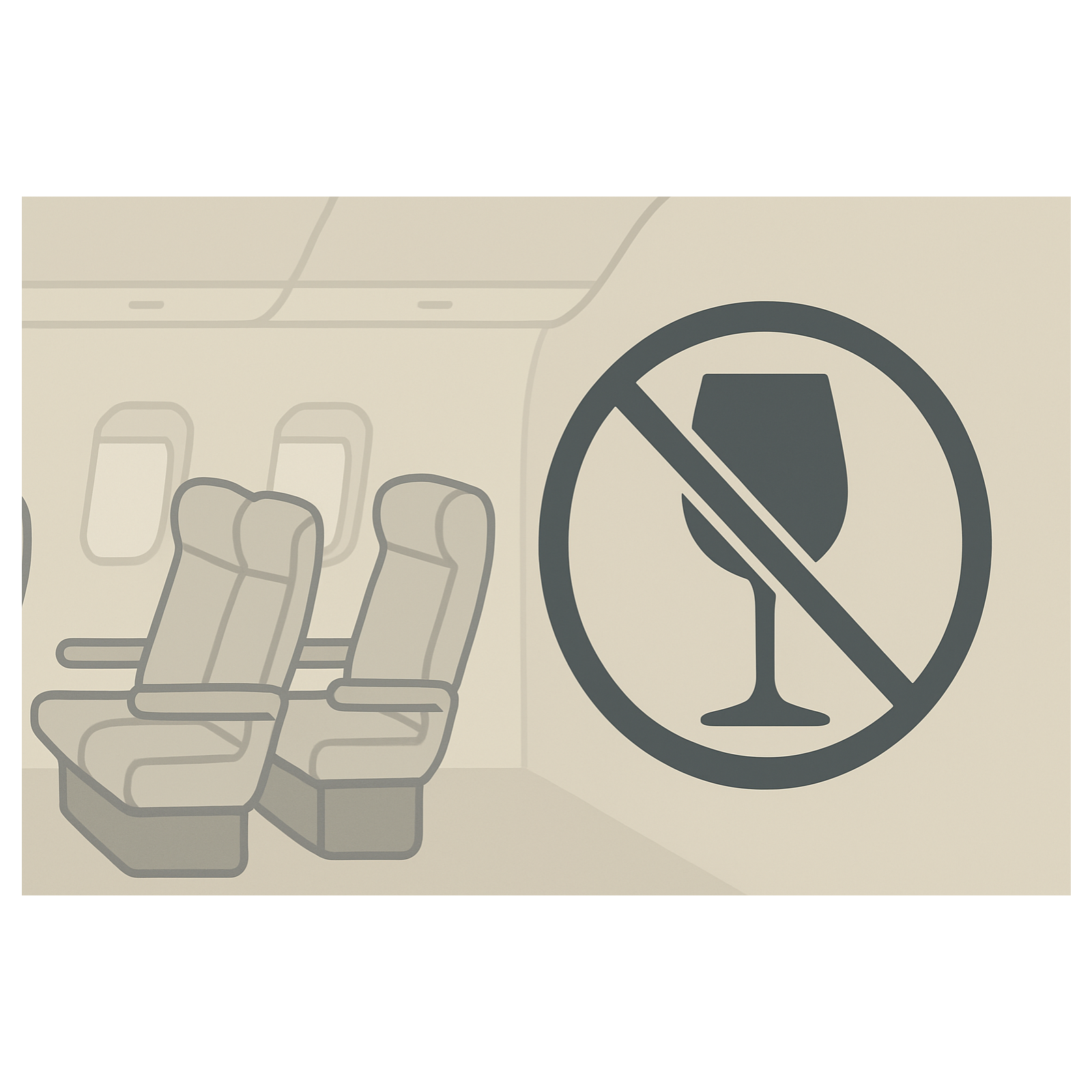
We banned smoking in public places after accepting an uncomfortable truth: what an individual chooses to inhale does not remain a purely personal choice when it harms others. Science forced our hand, and society complied — slowly, reluctantly, but decisively.Alcohol now stands at the same crossroads.And yet, we hesitate.Alcohol: A Carcinogen, Not a Lifestyle ChoiceThere is no longer room for ambiguity. Alcohol is a declared carcinogen, with no safe level of consumption. This is not a moral opinion or cultural critique — it is scientific consensus.Alcohol affects almost every system in the body: the liver, brain, heart, pancreas, immune and endocrine systems, reproductive health, and mental well-being. It damages DNA, disrupts hormonal balance, and increases the risk of cancers of the breast, liver, esophagus, colon, and oral cavity.Most tragically, alcohol does not spare the unborn.A fetus has no agency or defense. Prenatal alcohol exposure can cause fetal alcohol spectrum disorders, permanent neurodevelopmental impairment, and lifelong disability. Few substances leave such irreversible harm.If alcohol were a newly discovered chemical today, stripped of tradition and marketing, it would never be approved for routine consumption — let alone served in public spaces or on aircraft.Wisdom We Have ForgottenLong before modern science, Indian civilization recognized alcohol’s corrosive effects on judgment and social harmony. Thiruvalluvar devotes an entire chapter of the Thirukkural (Kallunnamai) to condemning intoxication, warning that even learned men lose discernment once intoxicated.This is not moral policing. It is behavioral science articulated two millennia ago.Alcohol dismantles inhibition, distorts perception, and weakens responsibility — a dangerous combination in shared public environments.Shakespeare’s Clarity“It provokes the desire, but it takes away the performance.”Alcohol inflames impulse while sabotaging execution. In public spaces — airports, airplanes, stations, and streets — this is not poetic; it is perilous.Public Health, Not Private MoralityCalls for alcohol regulation are often dismissed as moralism. This is a distraction.The argument is not about banning alcohol everywhere, but about recognizing where alcohol does not belong.We accepted that smoking has no place in airplanes, hospitals, offices, or public transport because second-hand harm is real. Alcohol too produces second-hand consequences — violence, accidents, abuse, impaired judgment, and unsafe environments.Airlines reveal the contradiction clearly. We would never allow a mildly intoxicated individual to perform safety-critical tasks, yet alcohol consumption is normalized inside sealed aircraft carrying hundreds of passengers.ConclusionThe debate is no longer about whether alcohol is harmful.The real question is why we permit its use in shared public spaces when safer precedents already exist.• Smoking is banned in public places• Drunk driving is criminalized• Yet alcohol consumption in public venues, including airlines, remains socially endorsedThis inconsistency is indefensible.When ancient wisdom, classical literature, and modern science converge, ignoring them is not liberty — it is denial.Thiruvalluvar warned us.Shakespeare observed us.Science has confirmed it.Perhaps the most dangerous intoxication today is not alcohol itself, but our reluctance to confront its true cost.
Embed this episode
Ready to play
Alcohol, Health, and Public Spaces: A Blind Spot We Refuse to See When wisdom, literature, and science agree — and we still look away.
No transcript for this episode yet
Similar Episodes
No similar episodes found.
Similar Podcasts
No similar podcasts found.