
EPISODE · Feb 14, 2017 · 51 MIN
Alevi Religious Ceremony, Architecture, and Practice | Angela Andersen
from Ottoman History Podcast · host Ottoman History Podcast
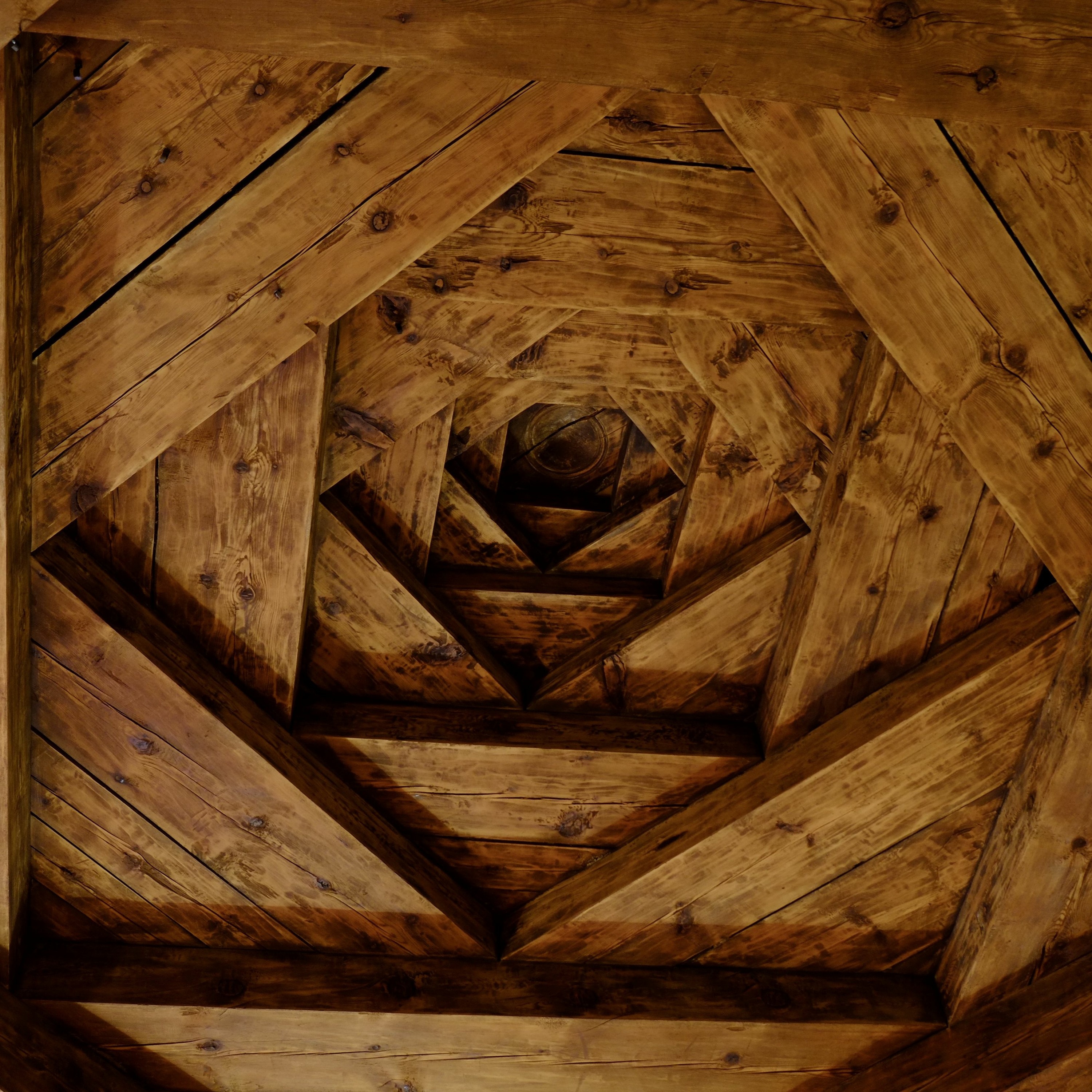
E299 | In this episode, we approach the religious architecture of the Alevis, to examine how practice shapes architectural space and how socioeconomic change transforms such spaces. Many of our episodes on Ottoman History Podcast have focused on how monumental architecture, such as mosques and other buildings of religious significance, are tied to political transformation and expressions of political power and ideology. Taking a different perspective, our guest, Angela Andersen, researches the history and development of Alevi architectural forms in Turkey and abroad. Historically, Alevi religious practice and cem ceremonies took place in homes and other multi-purpose buildings, which could be configured as ad hoc meeting places for local communities during the communal cem ceremony. But with Alevi urban migration to cities in Turkey, Germany, and elsewhere, the creation of a "permanent address" for Alevis has emerged in the form of community centers providing a number of services, including designated rooms or halls for the cem. In this episode, we trace the genealogy of the modern cemevi to older contexts of Alevi religious practice and consider the role played by the cemevi in Turkey's new political landscape. More at http://www.ottomanhistorypodcast.com/2017/02/alevi-architecture.html Angela Andersen focuses on the inter- and intra-religious interactions that take place via architecture in the Islamic world, in both the historical and contemporary contexts. Her current research engages the role and meaning of architecture for the Alevi minority, and the diversity of Islamic spaces for worship and practice. Chris Gratien holds a Ph.D. from Georgetown University's Department of History and is currently an Academy Scholar at the Harvard Academy for International and Area Studies. His research focuses on the social and environmental history of the Ottoman Empire and the modern Middle East. He is currently preparing a monograph about the environmental history of the Cilicia region from the 1850s until the 1950s. Shireen Hamza is a doctoral student in the History of Science department at Harvard University. Her research focuses broadly on the history of science and medicine in the Islamicate Middle Ages, and more specifically on the history of women's health. CREDITS Episode No. 299 Release Date: 14 February 2017 Recording Location: Harvard University Audio editing by Chris Gratien Music: from archive.org - Katibim (Uskudar'a Gider iken) - Safiye Ayla; Istanbul'dan Ayva Gelir Nar Gelir - Azize Tozem and Sari Recep Vinyl recording of "Hazin Hazin Ağlar Gönül" by Ali Ekber Çiçek digitized by Chris Gratien Special thanks to Kara Güneş for permission to use the composition "Istanbul" Images and bibliography courtesy of Angela Andersen available at http://www.ottomanhistorypodcast.com/2017/02/alevi-architecture.html
Embed this episode
NOW PLAYING
Alevi Religious Ceremony, Architecture, and Practice | Angela Andersen
No transcript for this episode yet
Similar Episodes
No similar episodes found.
Similar Podcasts
No similar podcasts found.