
EPISODE · Dec 5, 2025 · 8 MIN
An Intro to Advent 1, and the Year of Matthew
from Never The Chameleon · host Anna Madsen
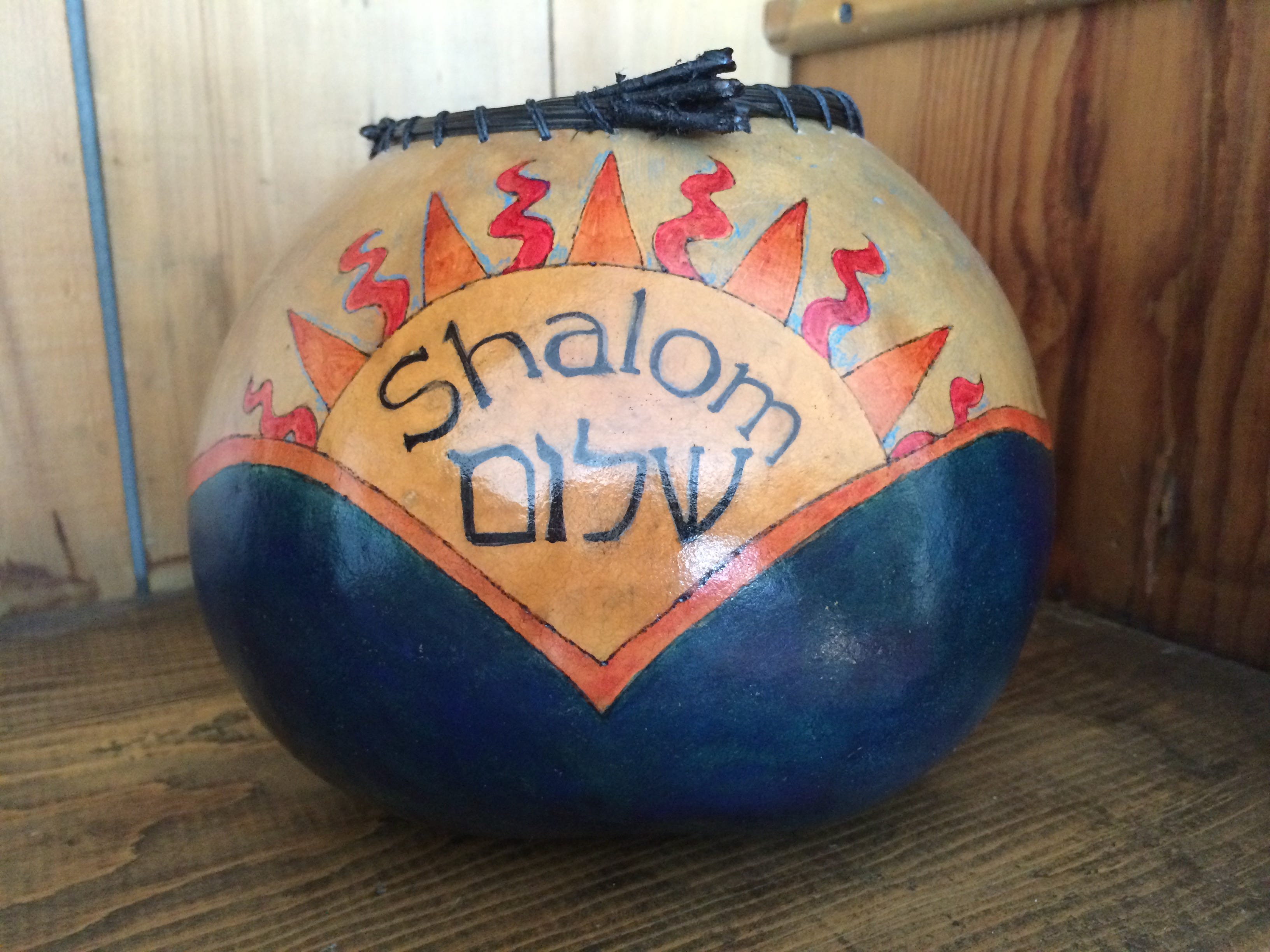
(Technically, we are still in Advent One, so I’m technically not late to posting about this week’s texts.) If you are wealthy, privileged, or an oppressor, seatbelts, everyone: the liturgical year of Matthew is gonna be a ride.Luke, the gospel writer from whom our readings up until two Sundays ago came, well he directed his words with a slant to the poor, the dispossessed, the oppressed.Matthew, though, he has some truth to drop to the top.It’s not that Luke doesn’t address the primary audience of Matthew, or that Matthew doesn’t address the primary audience of Luke, but the focus of their gospels is quite different.Our readings in Advent are nothing if not an introduction into the message of Matthew.Threading through the readings of Advent 1—Isaiah 2, Psalm 22, Romans 13, and Matthew 24—we heard core themes thrumming not just through this week, but ones which carry through the entire Advent season: Identity, Diversity, the centrality of Worship, and Preparation for the arrival of the Lord.In Isaiah, for example, we hear of the nations—not just individuals, but nations coming to gather at the mountain of the Lord.The bulk of humanity, all of the nations, come to God.In an age of America First, of the elimination of Diversity as a core value of our country, of the barring of certain peoples from certain places where the skin tones are not white, this is way way woke.Trouble is, although our present regime, one which fancies itself Christian, refuses welcome, God doesn’t.Once assembled, these many and various people of God hope that God will “teach them God’s ways, so that they may walk in God’s paths.”That’s a sit-down-and-take-it-all-in verse there, with heaps of intel about the identity of God and those who follow God.For example, it’s recognized that:~ there are ways of this God which are mightily distinct from other gods;~ to follow this God, one must know these ways;~ once one knows these ways, one must follow them;~ learning and applying what one has learned is a sign of humility and faithfulness;~ this God is a teacher, and we are called to sit at the feet of this God and hearken to what God has to say.And then we hear perhaps the most essential teaching about this God:This God is not one of violence, but one of growth—if we follow this God’s teachings, spears and swords shall be turned into plowshares and pruning hooks.Our Psalm for the day takes it a step further: peace, not violence, is the agenda of God.The word used here isn’t, actually, ‘peace,’ but in Hebrew is ‘shalom,’ which is arguably a more…robust word than ‘peace.’Peace can mean the absence of violence and expressed anger, but Shalom means the presence of justice.Peace can be passive, and arguably passive aggressive, but Shalom is the product of active wrestling.It takes work to experience Shalom.With that in mind, what a benediction is this:“May they prosper who love you.Shalom be within your walls and security within your towers.For the sake of my relatives and friends I will say, ‘Shalom be within you.’For the sake of the house of the LORD our God, I will seek your good.”It’s a bit jarring, then, after all this talk of peace and shalom to hop into our Romans text, and hear about dressing ourselves in armor, even if the armor of light!But what could that armor be?It comes right after we hear about salvation being near to us—the word ‘salvation’ rooted in the Greek word ‘soteria,’ which means ‘health, healing, and wholeness.’Paul, of course, is writing after the resurrection of Jesus, and after there is a tradition of Christian baptism.Perhaps this armor, then, is not one of war, but rather the armor of the promises of God we received in baptism.We do not need to fear, but rather can face the challenges of life aware that in the midst of it all, God is with us: or, as we are wont to say in Advent, Emmanuel.20+ years ago we lived in Southern Bavaria, a region in which both Roman Catholicism and a love of bronze work are vibrant traditions. Fusing the both of them, many homes, and ours now included, have a small small bronze basin with a baptismal symbol forged on it: people can dip their fingers in it going out of and coming in to their homes, ritualizing a reminder that they are baptized.That bit of water on their forehead is, in a real way, armor. You are baptized. God’s promises and your freedom to trust them, to identify that which is akin to God and that which is not, and to be emboldened to renounce that which is not—you’re literally dripping with hefty protection.And our last text of this week, Matthew.It’s a passage that has earned the likes of Hal Lindsey millions of dollars, this threatening and very much abused ‘left behind’ passage in which some are taken and some are not.The thing is—no, several things are—that:~some are taken and some are left, and, depending on the anecdote, it’s not at all clear whether a person wants to be taken or might rather be left behind;~ we do know that those hearing Matthew’s words were witnesses to the Roman authorities grabbing Christians, nabbing them off of the streets and out of their homes, persecuting them for their faith—not unlike ICE grabbing, nabbing, and persecuting people for the color of their skin.Fear was everywhere, legit and palpable fear.Not a far cry, to be honest, from people who need to be prepared about what to do where ICE to come knocking at their car windows, places of business, houses of worship, and homes, or merely plucking them off the street.This passage might well ask us, how would we react were we to be taken? To be left behind but see someone taken?“Be Woke,” says the text, a phrase that is loaded not just culturally, presently, but Scripturally as well.Do not sleep, do not presume that you are ready, do not rest on your assumption that saying you believe in Jesus cuts muster.Instead, actively root yourself in your faith, learn the commandments of Jesus, practice the ways of those who follow him, do not heed the counter-calls, and without shame, follow Jesus.Throughout Advent, and throughout this liturgical year, these themes aren’t precisely warm and fuzzy.Maybe that’s why we are so often tempted to skip over Advent and make our merry way to Christmas.They aren’t pleasant, but they are righteous, they are foundational, they are clarifying.Outside our Advent windows, our Advent calendars, our Advent rituals, the world is dizzying in its complexity, toxicity, and fear.But these texts remind us of several things: our identity as followers of the ways of God; of diversity as a blessed feature of God’s creation; of the centrality of gathering and recalling our baptism; of the hope for peace and delight, not just at some uncertain then, but right now; and the daily preparation to welcome this very in-breaking, to expect to encounter the Lord especially in our neighbor and the most vulnerable among us, and to say to that one, “‘Peace be within you,’ For the sake of the house of the LORD our God, I will seek your good.” Get full access to Anna Madsen at revdrannam.substack.com/subscribe
Embed this episode
Ready to play
An Intro to Advent 1, and the Year of Matthew
No transcript for this episode yet
Similar Episodes
No similar episodes found.
Similar Podcasts
No similar podcasts found.