
EPISODE · Jul 19, 2026 · 3 MIN
Ancestral Wounds
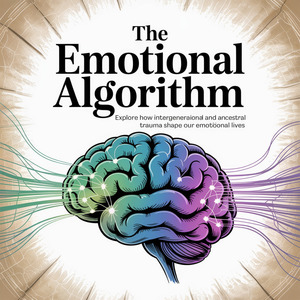
Some pain feels personal until you notice how familiar it is. The same fears, the same reactions, the same silence around certain topics can echo across a family for generations. In this episode, we’re exploring ancestral wounds —the emotional patterns, survival strategies, and unresolved stress responses that can be passed down through families, shaping how we love, cope, and see ourselves. Intergenerational trauma begins with experiences that overwhelm the nervous system: war, displacement, abuse, addiction, poverty, discrimination, or chronic instability. When these events are never processed, they don’t just disappear. They often become family rules. Don’t trust people. Don’t cry. Stay small. Work harder. Be strong at all costs. These messages may not be spoken out loud, but they can be absorbed through behavior, tone, and the emotional climate of a home. Over time, children learn to adapt to what their caregivers could not heal. From a neuroscience perspective, emotions are not just feelings floating in the background. They are deeply connected to the brain’s threat detection systems, memory networks, and body-based survival responses. When a parent lives in chronic stress, a child may grow up in an environment where the nervous system is constantly scanning for danger. That can shape the way the brain develops, especially areas involved in regulation, attachment, and impulse control. In other words, ancestral wounds can become embedded not only in family stories, but in the body’s learned expectations about safety. Psychology helps us understand why these patterns can be so hard to break. Many inherited behaviors are actually protective strategies. Emotional numbness, perfectionism, people-pleasing, hypervigilance, and conflict avoidance often begin as intelligent adaptations. They may have helped someone survive a difficult home, a dangerous community, or an impossible historical moment. But what once protected a family can later limit intimacy, create anxiety, or make it difficult to feel grounded. Healing starts when we stop asking, “What’s wrong with me?” and begin asking, “What happened in my lineage that taught my system to respond this way?” The hopeful part is that patterns can change. Healing ancestral wounds does not mean blaming our parents or trying to rewrite the past. It means becoming curious about what was carried, what was never named, and what is ready to be released. Practices like therapy, somatic awareness, journaling, grief work, and mindful breathing can help regulate the nervous system and create new emotional experiences. Even small moments of safety matter. Each time we pause before reacting, speak kindly to ourselves, or choose connection over fear, we are teaching the brain a new possibility. We may not be able to change what was inherited, but we can change what gets passed on. That is the quiet power of healing. Recognizing ancestral wounds is not about living in the past—it’s about understanding the past well enough to live more freely in the present. And sometimes, that freedom begins with a single question: what if this pain is older than me, and what if healing can be, too? Next step: Rewrite Your Emotional Legacy With The Generational Algorithm — https://www.poddyhost.com/go/4351?src=rss
Embed this episode
Ready to play
Ancestral Wounds
No transcript for this episode yet
Similar Episodes
No similar episodes found.
Similar Podcasts
No similar podcasts found.