Andiroba episode artwork

EPISODE · Jan 11, 2021 · 4 MIN

Andiroba

from Podcasts de Ecologia/Composições musicais/NaturezaEcology Podcasts/Musical Compositions/Nature · host multimidiavillage

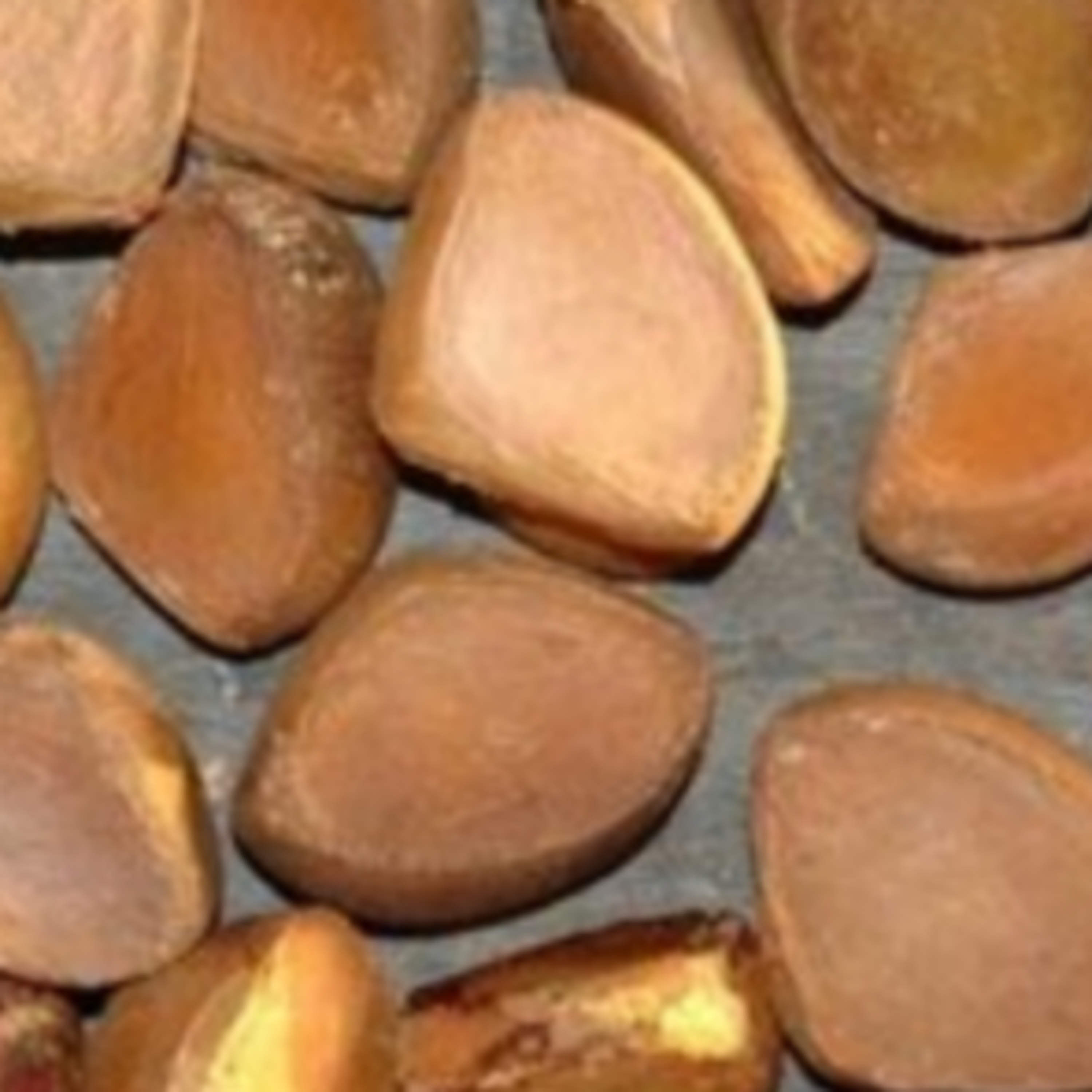
A andiroba é uma árvore de grande porte e é nativa da Amazônia. O nome deriva de ãdi'roba, termo tupi que significa "óleo amargo", numa referência ao óleo extraído das sementes da planta. É reconhecida oficialmente pelo Ministério da Saúde do Brasil como possuidora de propriedades fitoterápicas. A semente da andiroba, que é coletada quando os frutos caem no chão, possui um óleo conhecido na região amazônica como azeite de andiroba. Ele é utilizado na indústria em cremes, shampus, pomadas e sabonetes. Os indígenas também usam o óleo em uma mistura com corante de urucum e passam no corpo para repelir insetos e proteger-se do sol. Algumas indústrias de vela também usam o produto na fabricação, pois acredita-se que o cheiro da vela queimada também repele os insetos. O óleo contido na amêndoa da andiroba é amarelo-claro e extremamente amargo. Quando submetido a uma temperatura inferior a 25°C, solidifica-se, ficando com consistência parecida com a da vaselina. Possui propriedades anti-sépticas, anti-inflamatórias, cicatrizantes e inseticidas. A dispersão das sementes ocorre quando os frutos maduros caem inteiros no chão, e então as sementes são expostas quando a casca do fruto se abre em valvas. Cutias e pacas comem as sementes e enterram o excesso, potencialmente resultando em estabelecimento das plântulas, caso o animal não volte a encontrar as sementes enterradas. Andiroba is a large tree and is native to the Amazon. The name derives from ãdi'roba, Tupi term that means "bitter oil", in a reference to the oil extracted from the seeds of the plant. It is officially recognized by the Ministry of Health of Brazil as possessing herbal properties. The andiroba seed, which is collected when the fruits fall to the ground, has an oil known in the Amazon region as andiroba oil. It is used in the industry in creams, shampoos, ointments and soaps. The indigenous people also use the oil in a mixture with annatto dye and apply it on the body to repel insects and protect themselves from the sun. Some candle industries also use the product in manufacturing, as it is believed that the smell of the burnt candle also repels insects. The oil contained in the andiroba almond is light yellow and extremely bitter. When subjected to a temperature below 25 ° C, it solidifies, with a consistency similar to that of petroleum jelly. It has antiseptic, anti-inflammatory, healing and insecticidal properties. The dispersion of the seeds occurs when the ripe fruits fall whole in the ground, and then the seeds are exposed when the skin of the fruit opens in valves. Agoutis and pacas eat the seeds and bury the excess, potentially resulting in the establishment of seedlings, in case the animal does not find the buried seeds again. Imagem: Internet

A andiroba é uma árvore de grande porte e é nativa da Amazônia. O nome deriva de ãdi'roba, termo tupi que significa "óleo amargo", numa referência ao óleo extraído das sementes da planta. É reconhecida oficialmente pelo Ministério da Saúde do Brasil como possuidora de propriedades fitoterápicas. A semente da andiroba, que é coletada quando os frutos caem no chão, possui um óleo conhecido na região amazônica como azeite de andiroba. Ele é utilizado na indústria em cremes, shampus, pomadas e sabonetes. Os indígenas também usam o óleo em uma mistura com corante de urucum e passam no corpo para repelir insetos e proteger-se do sol. Algumas indústrias de vela também usam o produto na fabricação, pois acredita-se que o cheiro da vela queimada também repele os insetos. O óleo contido na amêndoa da andiroba é amarelo-claro e extremamente amargo. Quando submetido a uma temperatura inferior a 25°C, solidifica-se, ficando com consistência parecida com a da vaselina. Possui propriedades anti-sépticas, anti-inflamatórias, cicatrizantes e inseticidas. A dispersão das sementes ocorre quando os frutos maduros caem inteiros no chão, e então as sementes são expostas quando a casca do fruto se abre em valvas. Cutias e pacas comem as sementes e enterram o excesso, potencialmente resultando em estabelecimento das plântulas, caso o animal não volte a encontrar as sementes enterradas. Andiroba is a large tree and is native to the Amazon. The name derives from ãdi'roba, Tupi term that means "bitter oil", in a reference to the oil extracted from the seeds of the plant. It is officially recognized by the Ministry of Health of Brazil as possessing herbal properties. The andiroba seed, which is collected when the fruits fall to the ground, has an oil known in the Amazon region as andiroba oil. It is used in the industry in creams, shampoos, ointments and soaps. The indigenous people also use the oil in a mixture with annatto dye and apply it on the body to repel insects and protect themselves from the sun. Some candle industries also use the product in manufacturing, as it is believed that the smell of the burnt candle also repels insects. The oil contained in the andiroba almond is light yellow and extremely bitter. When subjected to a temperature below 25 ° C, it solidifies, with a consistency similar to that of petroleum jelly. It has antiseptic, anti-inflammatory, healing and insecticidal properties. The dispersion of the seeds occurs when the ripe fruits fall whole in the ground, and then the seeds are exposed when the skin of the fruit opens in valves. Agoutis and pacas eat the seeds and bury the excess, potentially resulting in the establishment of seedlings, in case the animal does not find the buried seeds again. Imagem: Internet

NOW PLAYING

Andiroba

0:00 4:43

No transcript for this episode yet

We transcribe on demand. Request one and we'll notify you when it's ready — usually under 10 minutes.

No similar episodes found.

No similar podcasts found.

Frequently Asked Questions

How long is this episode of Podcasts de Ecologia/Composições musicais/NaturezaEcology Podcasts/Musical Compositions/Nature?

This episode is 4 minutes long.

When was this Podcasts de Ecologia/Composições musicais/NaturezaEcology Podcasts/Musical Compositions/Nature episode published?

This episode was published on January 11, 2021.

What is this episode about?

A andiroba é uma árvore de grande porte e é nativa da Amazônia. O nome deriva de ãdi'roba, termo tupi que significa "óleo amargo", numa referência ao óleo extraído das sementes da planta. É reconhecida oficialmente pelo Ministério da Saúde do Brasil...

Can I download this Podcasts de Ecologia/Composições musicais/NaturezaEcology Podcasts/Musical Compositions/Nature episode?

Yes, you can download this episode by clicking the download button on the episode player, or subscribe to the podcast in your preferred podcast app for automatic downloads.
URL copied to clipboard!