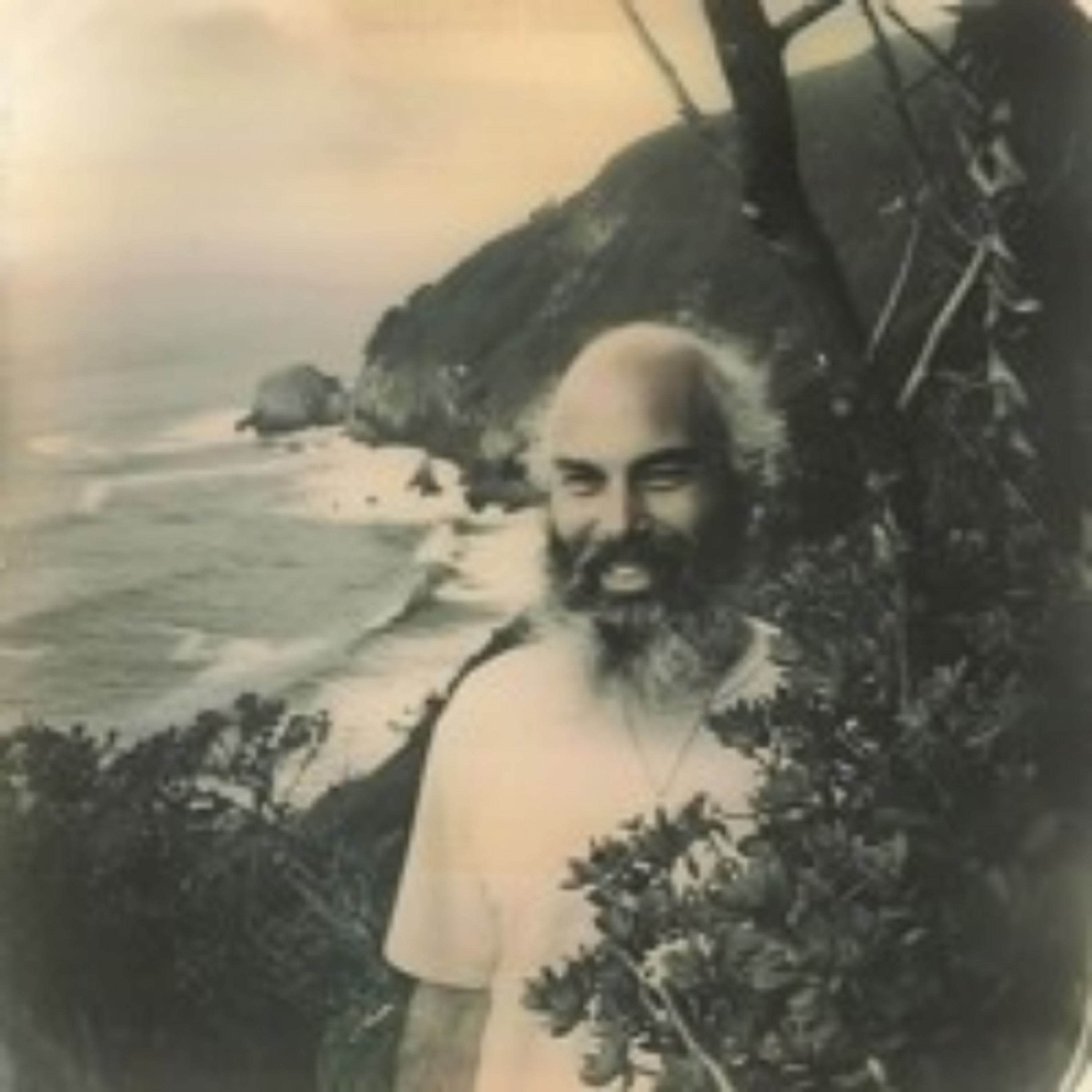
Andrew Weil's 1985 Lecture at Esalen on Psychedelic Drugs (MDMA, Peyote, Marijuana) episode artwork

EPISODE · Sep 4, 2024 · 41 MIN

Andrew Weil's 1985 Lecture at Esalen on Psychedelic Drugs (MDMA, Peyote, Marijuana)

from Voices of Esalen · host Esalen Institute

Today our episode centers on a talk given at Esalen in 1985 by Dr. Andrew Weil. Dr. Weil is a prominent figure and a trailblazer in the field of integrative medicine, which combines conventional medical practices with alternative and complementary therapies such as herbal medicine, acupuncture, and mind-body techniques. (All of this of course used to be rather fringe; Esalen in the 1980’s, was a bit fringe, too. Nowadays, things like acupuncture and herbal medicine raise nary an eyebrow, and Esalen, to be honest, is pretty darn mainstream too.) On this date in 1985, Dr. Weil speaks about various drugs and psychedelics, as well as the cultural attitudes attached to them. Weil to this point had had a curious relationship to psychedelics: in the early 1960s, while a student at Harvard, he observed the infamous Harvard Psilocybin experiments conducted by Timothy Leary and Richard Alpert, and then reported on them in the Harvard Crimson, ultimately leading to the academic downfall and subsequent dismissal of Leary and Alpert. Later in his life, Weil would reconnect with Alpert, who had by then assumed the moniker of Ram Das, and he would finally taste the forbidden fruit, and henceforth become an advocate of psychedelics. Weil speaks a great deal during this talk about the drug MDMA, otherwise known as Ecstasy, which on June 1st of that very year was made illegal and classified as a Schedule 1 substance. MDMA had been widely used as a therapy drug for nearly 15 years since its rediscovery in the 1970s by chemist Sasha Shulgin, but in the early 1980s, it also became quite popular in dance subcultures, particularly in the gay community, and most notably in Dallas, Texas. Of course, in the mid 1980’s, Ronald Reagan’s war on drugs was raging, and it provided the perfect storm for MDMA to be made unlawful. So given this context, it’s both interesting and informative to hear Weil, the former psychedelic whistleblower turned hippie physician, speak at length and quite intelligently about MDMA. He also addresses a host of other topics, including whether or not marijuana causes brain damage, peyote, how DEA scheduling works, the so-called new physics , how belief interacts with the physical mechanisms of the body, hypnotherapy, fire-walking, coffee, chocolate, and more. It's a fun episode. By the way . . . Esalen Institute is a non-profit organization dedicated to advancing human potential and promoting positive social change. Your support helps us continue to offer transformative programs and retreats that promote personal growth and collective wellbeing. To learn more about Esalen and how you can support our mission, visit our website at esalen.org.

Today our episode centers on a talk given at Esalen in 1985 by Dr. Andrew Weil. Dr. Weil is a prominent figure and a trailblazer in the field of integrative medicine, which combines conventional medical practices with alternative and complementary therapies such as herbal medicine, acupuncture, and mind-body techniques. (All of this of course used to be rather fringe; Esalen in the 1980’s, was a bit fringe, too. Nowadays, things like acupuncture and herbal medicine raise nary an eyebrow, and Esalen, to be honest, is pretty darn mainstream too.) On this date in 1985, Dr. Weil speaks about various drugs and psychedelics, as well as the cultural attitudes attached to them. Weil to this point had had a curious relationship to psychedelics: in the early 1960s, while a student at Harvard, he observed the infamous Harvard Psilocybin experiments conducted by Timothy Leary and Richard Alpert, and then reported on them in the Harvard Crimson, ultimately leading to the academic downfall and subsequent dismissal of Leary and Alpert. Later in his life, Weil would reconnect with Alpert, who had by then assumed the moniker of Ram Das, and he would finally taste the forbidden fruit, and henceforth become an advocate of psychedelics. Weil speaks a great deal during this talk about the drug MDMA, otherwise known as Ecstasy, which on June 1st of that very year was made illegal and classified as a Schedule 1 substance. MDMA had been widely used as a therapy drug for nearly 15 years since its rediscovery in the 1970s by chemist Sasha Shulgin, but in the early 1980s, it also became quite popular in dance subcultures, particularly in the gay community, and most notably in Dallas, Texas. Of course, in the mid 1980’s, Ronald Reagan’s war on drugs was raging, and it provided the perfect storm for MDMA to be made unlawful. So given this context, it’s both interesting and informative to hear Weil, the former psychedelic whistleblower turned hippie physician, speak at length and quite intelligently about MDMA. He also addresses a host of other topics, including whether or not marijuana causes brain damage, peyote, how DEA scheduling works, the so-called new physics , how belief interacts with the physical mechanisms of the body, hypnotherapy, fire-walking, coffee, chocolate, and more. It's a fun episode. By the way . . . Esalen Institute is a non-profit organization dedicated to advancing human potential and promoting positive social change. Your support helps us continue to offer transformative programs and retreats that promote personal growth and collective wellbeing. To learn more about Esalen and how you can support our mission, visit our website at esalen.org.

NOW PLAYING

Andrew Weil's 1985 Lecture at Esalen on Psychedelic Drugs (MDMA, Peyote, Marijuana)

0:00 41:52

No transcript for this episode yet

We transcribe on demand. Request one and we'll notify you when it's ready — usually under 10 minutes.

Ask A Spaceman Archives - 365 Days of Astronomy Ask A Spaceman Archives - 365 Days of Astronomy Podcasting Astronomy Every Day of the Year Eat to Live Jenna Fuhrman, Dr. Fuhrman Our health is our most precious gift and smart nutrition can change your life. Each month, join Dr. Fuhrman and his daughter, Jenna Fuhrman as they discuss important topics in the world of nutrition. Eat to Live will change the way you eat and think about food. French Your Way Jessica: Native French teacher founder of French Your Way Boost your French listening skills and test your comprehension with this one of a kind series of podcasts. Get the chance to listen to a real conversation between native speakers talking at normal speed AND customise your learning experience through carefully designed sets of questions (2 levels of difficulty) available for download at www.frenchvoicespodcast.com. All interviews also come with the transcript. French teacher Jessica interviews native speakers of French from around the world who share a bit of their life and passion. Where else would you meet in one same place a French yoga teacher based in Melbourne, a soap manufacturer from Provence, or a couple cycling around the world? That Hoarder: Overcome Compulsive Hoarding That Hoarder Hoarding disorder is stigmatised and people who hoard feel vast amounts of shame. This podcast began life as an audio diary, an anonymous outlet for somebody with this weird condition. That Hoarder speaks about her experiences living with compulsive hoarding, she interviews therapists, academics, researchers, children of hoarders, professional organisers and influencers, and she shares insight and tips for others with the problem. Listened to by people who hoard as well as those who love them and those who work with them, Overcome Compulsive Hoarding with That Hoarder aims to shatter the stigma, share the truth and speak openly and honestly to improve lives.

Frequently Asked Questions

How long is this episode of Voices of Esalen?

This episode is 41 minutes long.

When was this Voices of Esalen episode published?

This episode was published on September 4, 2024.

What is this episode about?

Today our episode centers on a talk given at Esalen in 1985 by Dr. Andrew Weil. Dr. Weil is a prominent figure and a trailblazer in the field of integrative medicine, which combines conventional medical practices with alternative and complementary...

Can I download this Voices of Esalen episode?

Yes, you can download this episode by clicking the download button on the episode player, or subscribe to the podcast in your preferred podcast app for automatic downloads.
URL copied to clipboard!