
EPISODE · Feb 13, 2026 · 11 MIN
Andromeda Star Vanishes Into Black Hole, Elephant Trunk Inspires Tactile Robots, Lead Exposure Triples Alzheimer’s Risk, QUAIL Platform Revolutionizes Cancer Therapy, and more...
from Science News Daily · host brief.news
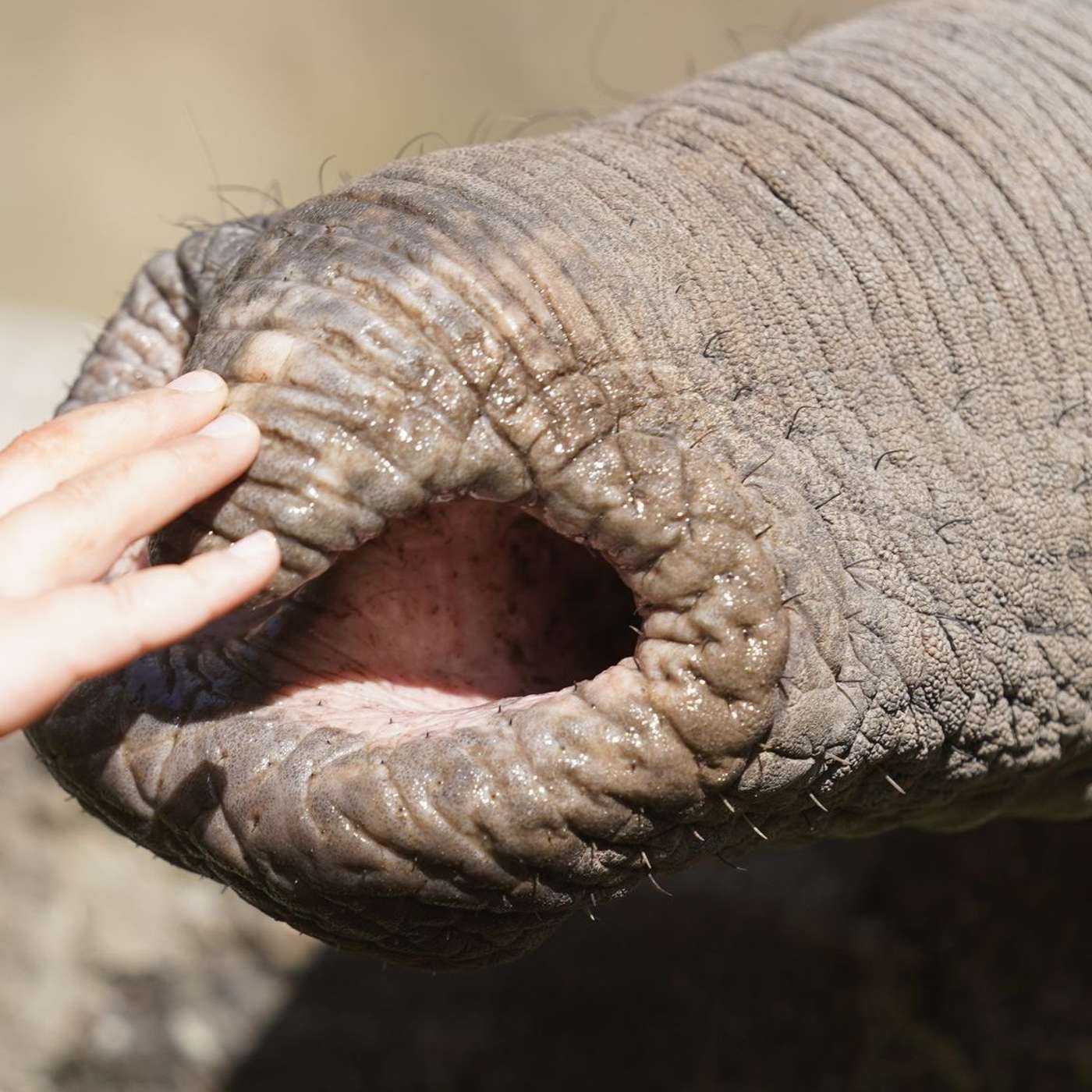
(0:10): Astronomers Uncover Rare 'Failed Supernova' in Andromeda, Star Quietly Becomes Black Hole(2:09): Elephant Trunk Whisker Study Reveals Insights for Advanced Robotics Tactile Sensing(4:10): Lead Exposure Triples Alzheimer's Risk: Urgent Call for Public Health Action(5:47): New QUAIL Platform Aims to Revolutionize Cancer and Infection Treatment with Enhanced Immune Response(8:46): New Study Reveals Key Brain Neurons Boosting Endurance, Paving Way for Potential Exercise EnhancementsTo subscribe visit https://www.brief.news.For more updates in your inbox each morning visit www.brief.news. Image credit: Handelsblatt
Embed this episode
Ready to play
Andromeda Star Vanishes Into Black Hole, Elephant Trunk Inspires Tactile Robots, Lead Exposure Triples Alzheimer’s Risk, QUAIL Platform Revolutionizes Cancer Therapy, and more...
No transcript for this episode yet
Similar Episodes
No similar episodes found.
Similar Podcasts
No similar podcasts found.