
EPISODE · Nov 27, 2025 · 15 MIN
Angel Numbers - When Mathematics Meets Meaning
from Duke Teynor · host DUKE TEYNOR
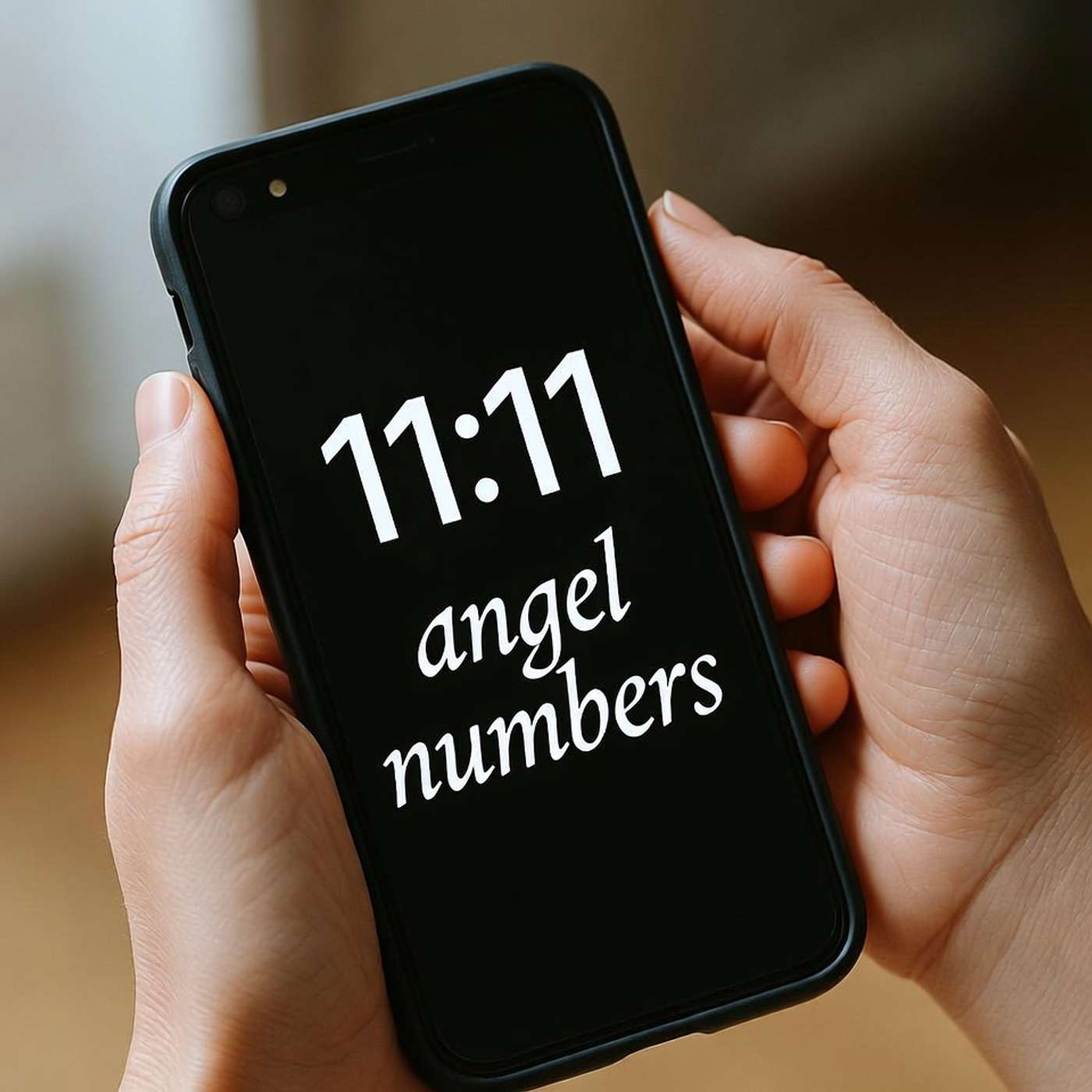
Have you ever noticed how certain numbers seem to follow you around? Like seeing 11:11 on the clock so often it can't possibly be random? Well, there's actually a fascinating field of study that suggests these recurring numbers might be more than just coincidence.That's really interesting you bring that up. There's this whole body of research around what they call "angel numbers" or "master numbers" in numerology. What made you start noticing these patterns?Well, I've been seeing 11:11 everywhere lately - receipts, license plates, timestamps. At first, I dismissed it, but then I started looking into the mathematics behind pattern recognition, and it turns out there's some pretty mind-blowing stuff going on.The science behind pattern recognition in our brains is fascinating. Did you know researchers at Stanford found that humans are actually hardwired to seek out numerical patterns?That makes so much sense because these patterns are literally everywhere in nature. Take the Fibonacci sequence - it shows up in everything from sunflower seed arrangements to galaxy formations. It's like the universe's signature written in mathematics.You know what's really interesting about that? Ancient civilizations recognized these patterns thousands of years ago. The Greeks even built the Parthenon using what they called the "golden ratio.Speaking of ancient wisdom, let's talk about what these specific number sequences are supposed to mean. Like 11:11 - in numerology, it's considered one of the most powerful combinations, associated with awakening and new opportunities.Hmm... so what's your take on 222? That's another sequence people report seeing frequently.According to numerological principles, 222 represents balance and harmony. But here's what's really fascinating - quantum physicists have found that certain number sequences appear repeatedly in wave functions and particle interactions. It's like these ancient spiritual concepts might have some basis in modern physics.That's such an interesting connection between the spiritual and scientific worlds. What about 555? I've heard that one has special significance.Oh yeah, 555 is considered a harbinger of major life changes. And you know what's wild? When you look at the mathematics of chaos theory, these same numbers often emerge as strange attractors - points where seemingly random systems show unexpected order.The way you're connecting modern science with these ancient interpretations is really compelling. How do you think technology has affected our perception of these patterns?That's actually a crucial point. With digital displays everywhere, we're exposed to numbers constantly. But here's the thing - studies show that even in pre-digital societies, people reported similar numerical synchronicities. It's like these patterns transcend technology.Well that certainly challenges the skeptic's argument that it's just a modern phenomenon.Exactly! And when you look at the psychological research on meaningful coincidences - what Carl Jung called "synchronicity" - there's evidence that paying attention to these patterns can actually enhance our decision-making and intuition.So it's almost like these numbers could be serving as mindfulness triggers, regardless of whether there's some greater cosmic significance?EXACTLY! And that's what I find most compelling about all this. Whether you believe these numbers are messages from the universe or just interesting patterns, they can serve as valuable moments for self-reflection and awareness.That's such a balanced way to look at it. It doesn't require believing in anything supernatural to find value in these patterns.Right, and recent studies in neuroscience suggest that when we pause to notice these patterns, we activate parts of our brain associated with insight and creative problem-solving. It's like these numbers are giving us permission to step back and think more deeply.So what would you say to someone who's just starting to notice these number patterns in their own life?I'd tell them to approach it with curiosity rather than skepticism. Keep a journal, note the context when these numbers appear, and look for connections. But most importantly, use these moments as opportunities to check in with yourself and your current life direction.That's really practical advice that anyone could apply, regardless of their beliefs about the deeper meaning of these patterns.You know what's really exciting about all this? We're just scratching the surface of understanding the relationship between mathematics, consciousness, and the nature of reality itself. These recurring numbers might be pointing us toward something much bigger than we currently comprehend.That's a perfect way to wrap this up - keeping our minds open to the mystery while staying grounded in practical application.Exactly. Whether these numbers are cosmic messages or just interesting coincidences, they're inviting us to pay attention, to pause, and to consider that maybe - just maybe - there's more to reality than meets the eye.
Embed this episode
Ready to play
Angel Numbers - When Mathematics Meets Meaning
No transcript for this episode yet
Similar Episodes
No similar episodes found.